
Last updated October 16, 2026
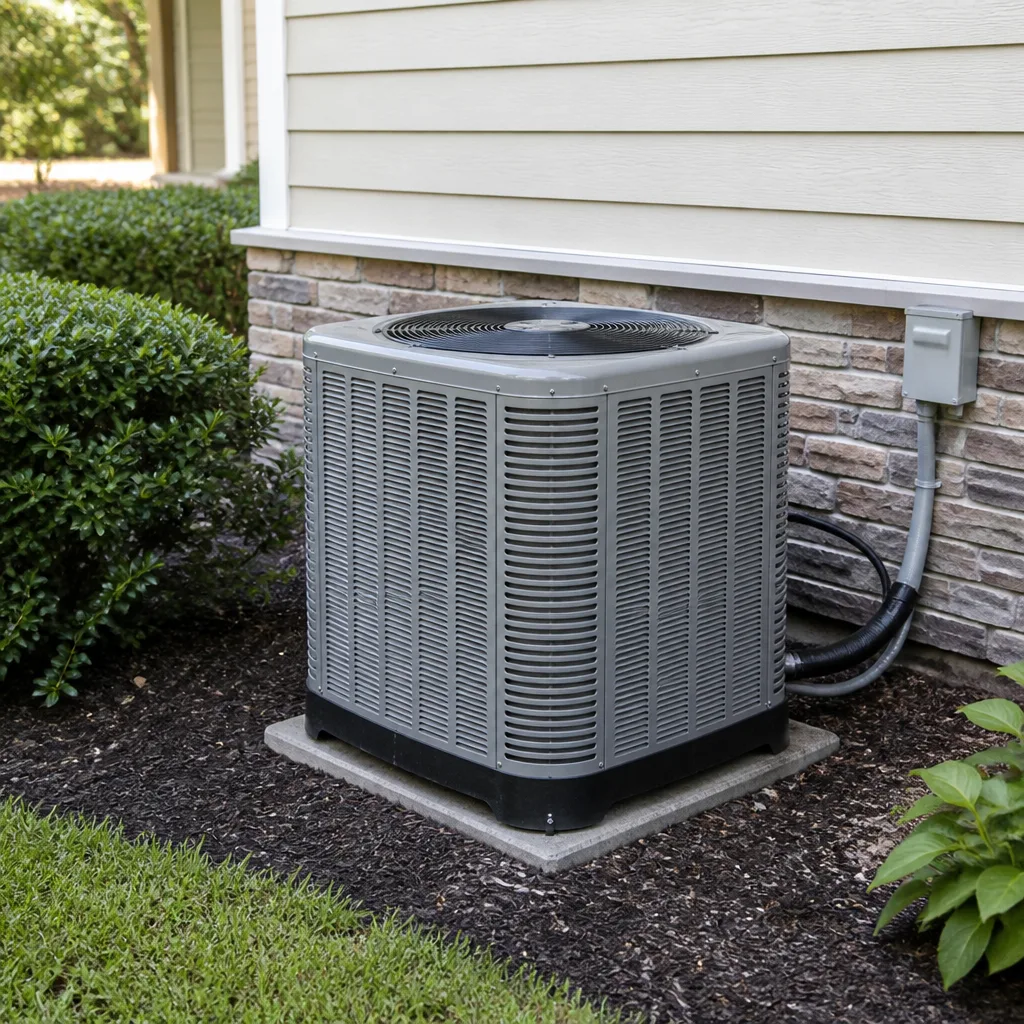 AC repair
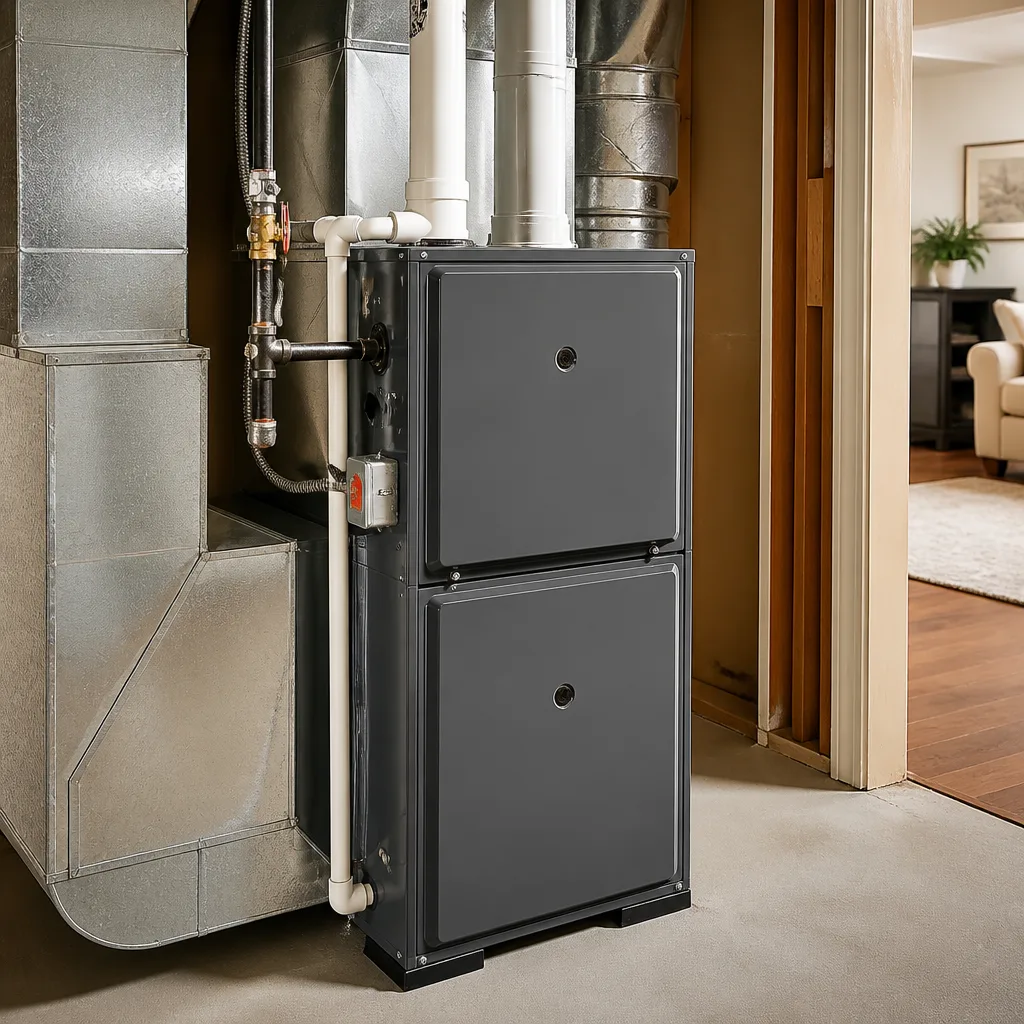 Furnace & heating
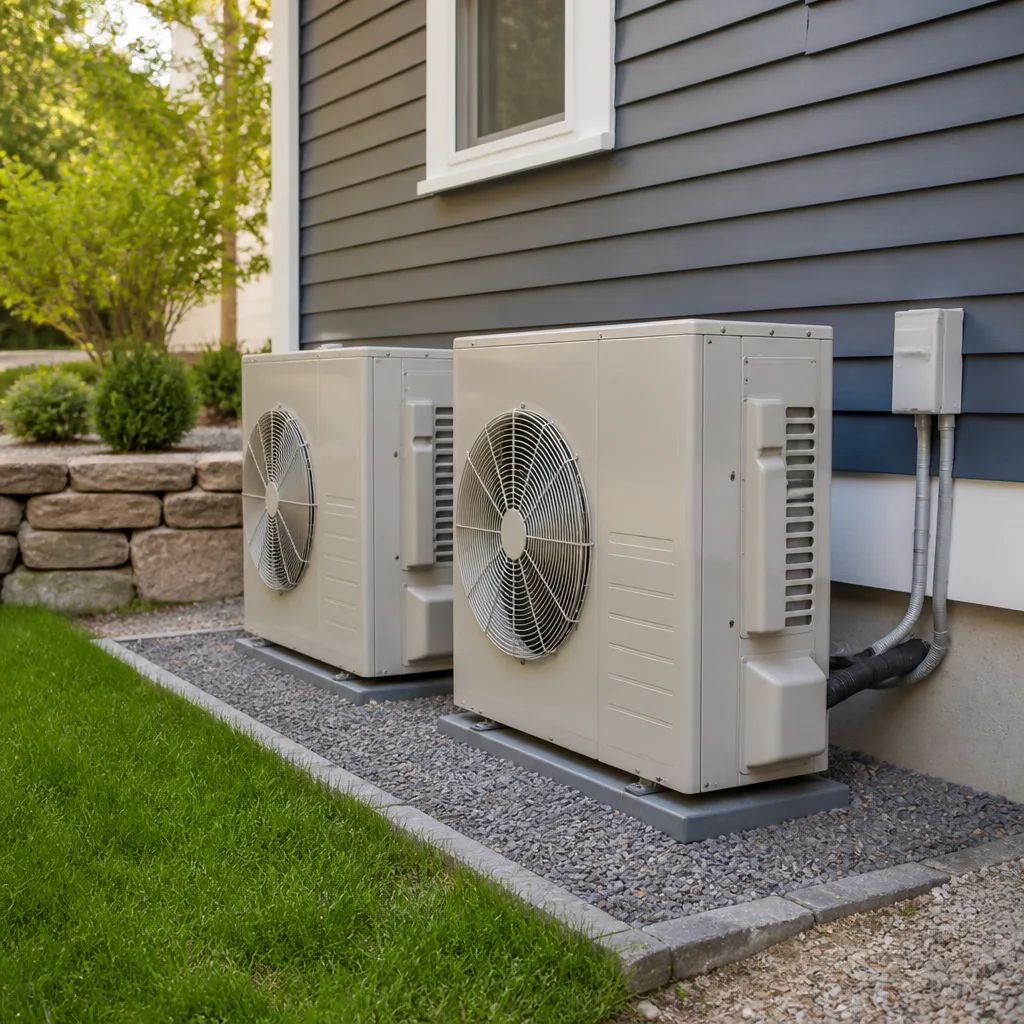 Heat pumps
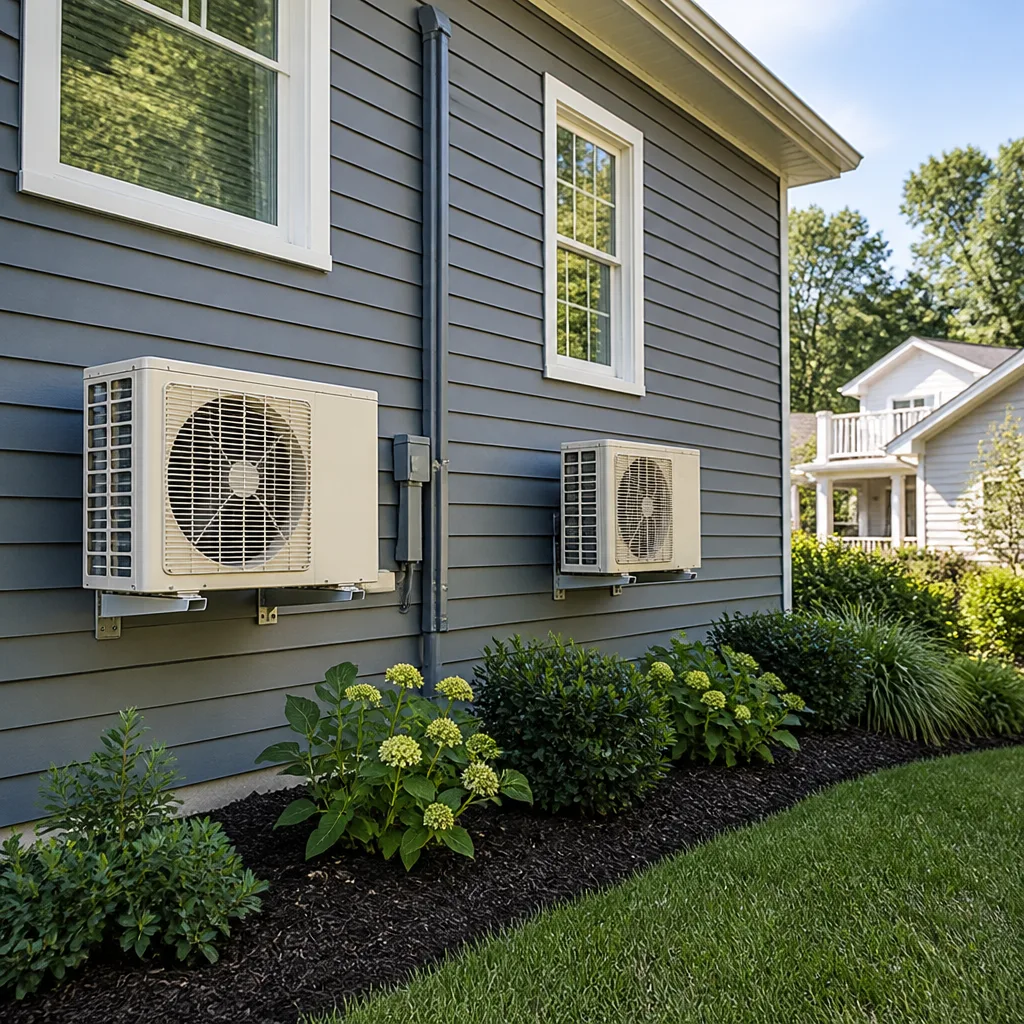 Ductless mini splits
 Carrier
 Trane
Trane Goodman
Seasonal tune-up and full diagnostic on your Carrier, Trane, or Goodman system - readings shown to you before any repair is proposed
Diagnosis first, numbers second - you approve the repair price before a single part goes in.
Get your free estimateDIY vs Professional HVAC: The Jacksonville Homeowner’s Decision Guide
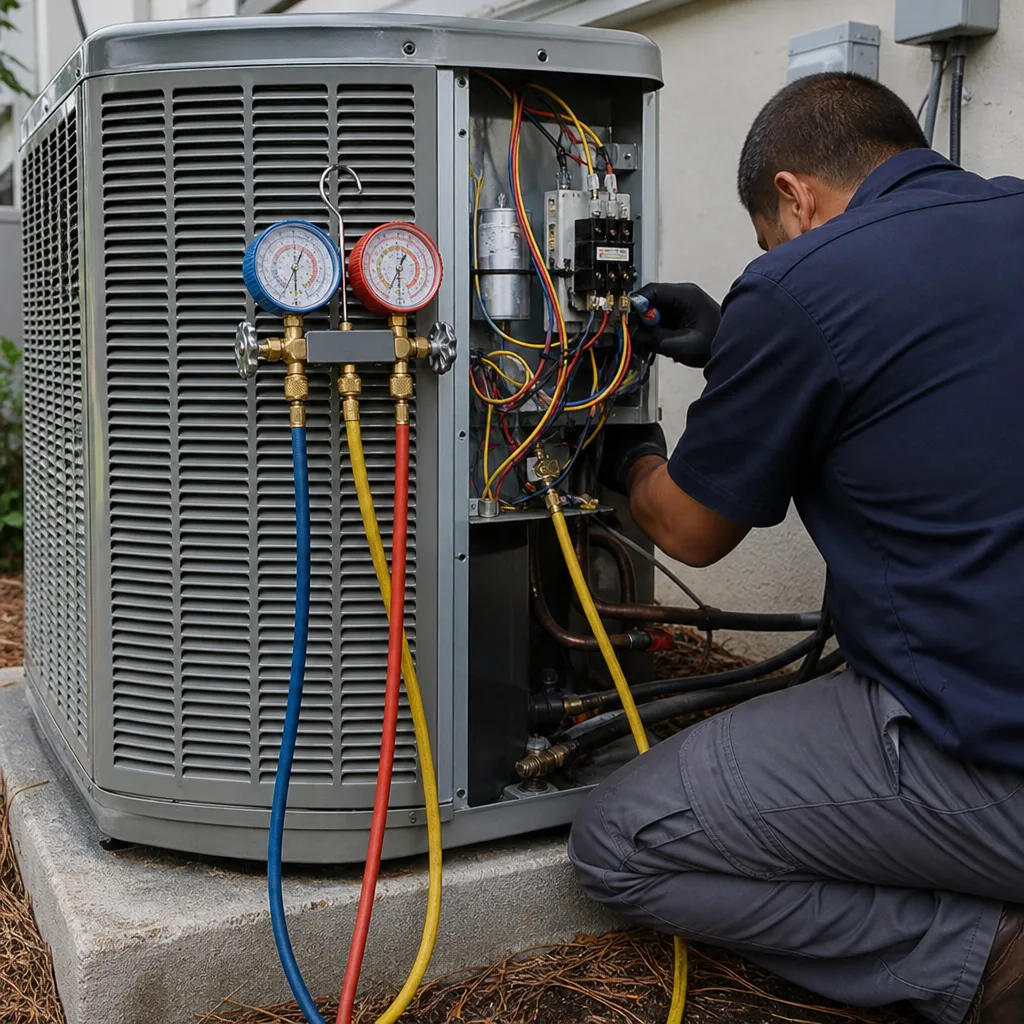
Changing your own air filter in Jacksonville is legal, sensible, and encouraged. Adding refrigerant to your own system is a federal crime under Section 608 of the Clean Air Act, yet almost no DIY guide aimed at Florida homeowners mentions that distinction. That gap between what feels like a simple fix and what the law, your warranty, and your insurance actually allow is where Jacksonville homeowners get hurt. This guide draws the line not based on your skill level, but on what Florida statute, your equipment documentation, and your homeowner’s policy say you can and cannot touch, with HVAC Permits, Codes & Inspections in FL: What You Need to Know as essential context. You’ll learn which tasks are genuinely yours to handle, which ones require a licensed contractor, and how that distinction protects your money long after the repair is done.
Styles & brands we work with
Quick Answer
In Jacksonville, homeowners can legally handle basic maintenance like filter changes, thermostat battery swaps, drain line flushing, and coil rinsing. Anything involving refrigerant, electrical panel connections, gas lines, or ductwork modification is reserved for Florida-licensed HVAC contractors under state law, and attempting it can void your manufacturer warranty, invalidate a future insurance claim, and create a code violation that shows up when you sell the house.
Table of Contents
- What Florida Law Reserves for Licensed Contractors
- The Warranty Language Nobody Reads Until It’s Too Late
- Tasks a Jacksonville Homeowner Can Legally and Safely Handle
- A Realistic Skill and Tool Assessment
- How Unpermitted Work Shows Up on a Duval County Property Record
- Why the YouTube Approach Is Riskier in Jacksonville Than in Drier Climates
- What DIY Actually Costs When It Goes Wrong: A Jacksonville Price Reality Check
- Common Mistakes to Avoid
- When to Call a Professional
- Frequently Asked Questions
- The Bottom Line
What Florida Law Reserves for Licensed Contractors
Florida Chapter 489 of the Florida Statutes is blunt: contracting without a license is a criminal offense when the work requires a license. For HVAC, that line is drawn by Section 489.105(3), which defines the scope of work that requires a state-certified or state-registered mechanical contractor. Most Jacksonville homeowners never read this statute until something goes wrong, and by then they’re negotiating from a bad position.
Here’s what Florida law explicitly reserves for licensed contractors. Read this list carefully, because “I didn’t know” doesn’t hold up with an insurance adjuster.
- Refrigerant handling of any kind. Section 608 of the Clean Air Act makes it a federal violation to add, remove, or otherwise handle refrigerant without EPA Section 608 certification. This isn’t a recommendation; it’s a federal regulation with fines. Florida’s licensing law layers on top of this.
- Installation, repair, or replacement of any component on the refrigerant circuit. Compressor, evaporator coil, condenser coil, metering device, reversing valve, refrigerant lines. All of it requires a licensed contractor under Florida law.
- Electrical work connected to the HVAC system. Disconnect boxes, breakers, capacitor replacement when it requires accessing the electrical panel, rewiring a blower motor. Florida requires an electrical contractor or a mechanical contractor working within their licensed scope.
- Gas line work of any kind. Furnace gas valve replacement, burner assembly work, any connection to a gas supply line. Florida requires a licensed gas or mechanical contractor.
- Ductwork installation, modification, or significant repair. Anything beyond taping a small visible seam leak. Duct design affects airflow, humidity control, and system efficiency in ways that aren’t intuitive.
- Any installation of an entire system. A full AC or furnace replacement requires a permit in Duval County, and permits are only issued to licensed contractors or homeowners who pass specific owner-builder requirements and sign an affidavit.
The reason this matters in Jacksonville specifically is that our humidity makes refrigerant mistakes more dangerous than in Phoenix or Denver. More on that below. But first, the warranty problem, because that’s where most DIY decisions actually get expensive.
The Warranty Language Nobody Reads Until It’s Too Late
Pull out the documentation that came with your Trane, Lennox, or Goodman system. Flip to the warranty section. There’s almost always a clause that reads something close to this: “This warranty does not cover damage or failure caused by improper installation, unauthorized service, or service performed by anyone other than a licensed HVAC contractor.” That sentence is in the paperwork you filed away when the system was installed, and it’s the one that turns a $300 DIY repair attempt into a $4,000 full replacement you pay for yourself.
How That Clause Gets Triggered in Real Life
Here’s what we’ve seen in Jacksonville homes. A homeowner notices the AC isn’t cooling. They watch a video, buy a recharge kit from an auto parts store, and connect it to the service valve. The system runs cooler for a week. Then the compressor fails. The warranty claim is denied because the manufacturer’s tech support line asks for service records, and there’s no licensed contractor on file. The $3,200 compressor replacement is now the homeowner’s bill, not the warranty’s.
That’s not an outlier. That’s the standard outcome when a warranty claim involves a system with evidence of unauthorized service. Refrigerant oils from automotive kits are not the same as residential HVAC refrigerants. Trace amounts tell the manufacturer’s lab exactly what happened.
How to Check Your Specific Warranty Language
- Find your system’s model and serial number. It’s on a sticker on the outdoor condenser or inside the furnace cabinet.
- Go to the manufacturer’s website (Carrier, Trane, Lennox, Goodman, Rheem, York, Daikin, Bryant, and American Standard all have public warranty lookup tools).
- Download the full warranty document. Don’t rely on the installer’s summary.
- Search the document for the words “unauthorized,” “licensed contractor,” and “void.”
- Read every sentence that contains any of those words. That’s the section that governs your DIY decision.
Every AC repair in Jacksonville that we perform includes a written warranty that states exactly what’s covered and for how long. That written guarantee is part of the price, and if the repair fails within the coverage period, we return at no charge under the 365-Day Done Right Promise. You’ll never get that from a parts-store recharge kit.
Tasks a Jacksonville Homeowner Can Legally and Safely Handle
The message here isn’t “never touch your HVAC.” That would be dishonest. There are several tasks that are genuinely yours, and doing them well will extend the life of your system and reduce your cooling bills. The distinction is: maintenance you can see and reach, versus service that requires specialized tools, certifications, or permits.
The Approved DIY List for Jacksonville Homeowners
- Air filter replacement. Monthly during heavy cooling season in Jacksonville, or every 60-90 days if you run the AC less in winter. Use the MERV rating listed in your system’s manual. A filter that’s too restrictive starves the system of airflow and causes coil freeze-ups.
- Thermostat battery replacement. Dead batteries are behind a surprising number of “my AC won’t turn on” calls. Pop the faceplate off, swap the batteries, and check for the low-battery warning symbol.
- Drain line flush. Jacksonville humidity means condensate lines clog with algae. Pour a cup of white vinegar through the access point every 30 days during summer. If the line is already clogged, a wet/dry shop vac on the outdoor drain outlet often clears it. This is the single most effective maintenance task a homeowner can do in our climate.
- Condenser coil rinse. Turn the breaker off first. Use a garden hose with a gentle spray nozzle. Rinse the outdoor unit coil from top to bottom to remove pollen, grass clippings, and dust. Never use a pressure washer; it bends the aluminum fins and reduces cooling capacity.
- Clearing debris from the outdoor unit. Jacksonville oak trees drop leaves and pollen constantly. Keep the area 18 inches clear around the condenser. Trim back vegetation that blocks airflow.
- Thermostat faceplate swap when it’s a direct replacement. If you’re replacing a basic digital thermostat with another basic digital thermostat that uses the same wiring configuration, that’s within most homeowners’ ability. Take a photo of the wiring before you start. Label every wire. Kill the power to the unit first.
Notice what’s not on this list: anything that involves opening the sealed refrigerant system, touching the electrical panel, or altering gas connections. Those aren’t skill judgment calls. They’re legal boundaries.
A Realistic Skill and Tool Assessment
Before you take on any of the approved DIY tasks, run through a quick honest assessment. We’re not going to flatter you; we’re going to name what actually happens when people overestimate their mechanical comfort level.
Step 1: Do You Own These Tools?
- Voltage tester or non-contact voltage stick
- Nut driver set (¼-inch and 5/16-inch handle most HVAC panel screws)
- Wet/dry shop vac
- Garden hose with adjustable spray nozzle
- Flashlight or headlamp
- Digital multimeter (only if you’re doing thermostat work)
If you don’t own a voltage tester, you’re not ready to open any panel on any HVAC equipment. Not the thermostat, not the air handler, not the condenser. The capacitor inside an outdoor unit can hold a charge even after the breaker is off. That residual charge has injured experienced technicians who got too comfortable.
Step 2: Can You Read the Labeling?
Every HVAC system has a wiring diagram on the inside of the access panel. It uses standard electrical symbols. If you can look at that diagram and identify the common, cooling, and heating terminals, thermostat replacement is within reach. If you can’t, that’s not a character flaw. It just means that specific task is above your current knowledge threshold, and the cost of learning on your own equipment in a Jacksonville summer is not worth it.
Step 3: What’s Your Time Worth in Real Terms?
A filter change takes five minutes. A coil rinse takes fifteen. A drain line flush takes ten. Those are obvious wins. But a thermostat swap that goes wrong, a wiring mistake, a blown low-voltage fuse, and then a service call to fix the mistake? That’s a four-hour Saturday, a $180-$300 service bill, and a house that’s been heating up the whole time. Jacksonville summer afternoons hit the mid-90s consistently. Your time has value, and so does your indoor temperature.
How Unpermitted Work Shows Up on a Duval County Property Record
This is the section that almost every DIY guide skips, and it’s the one that costs Jacksonville homeowners real money. Duval County maintains permit records for every property, and those records are public. When you sell a house in Jacksonville, the buyer’s title company pulls the permit history. Here’s what they look for: any recent work that should have had a permit but doesn’t.
A permit is required in Duval County for any HVAC system replacement, any ductwork modification, and any electrical or gas line change connected to the HVAC equipment. If you installed a new heat pump with a friend’s help and no permit, that fact is discoverable. And it becomes a negotiation point against you.
What an Unpermitted HVAC Installation Costs at Sale
- Remediation cost: Pulling a permit retroactively in Duval County usually requires bringing the work up to current code, which often means correcting what a licensed inspector finds wrong. That bill routinely lands between $500 and $2,500 before any actual mechanical repair is done.
- Price reduction: Buyers routinely ask for a credit to “legalize” unpermitted work. That credit request is often $3,000 to $8,000, and sellers frequently accept it just to keep the sale moving.
- Insurance complications: If an unpermitted HVAC installation is involved in a fire, electrical fault, or water damage claim, the insurer will investigate. An unpermitted system gives them grounds to reduce or deny the claim. You’re not just selling a house; you’re carrying liability the entire time you live there.
- Appraisal issues: Some lenders require verification that all major systems were permitted before they’ll fund the buyer’s loan.
This is why we say the DIY vs. professional decision isn’t really about which jobs you’re capable of. It’s about which jobs you can afford to own the consequences of. A licensed contractor pulls the permit, the work is inspected, and the record is clean. That record cleanly transfers at sale. If we do the work, the permit is in the job, not a surprise later.
Why the YouTube Approach Is Riskier in Jacksonville Than in Drier Climates
The most popular HVAC DIY videos on the internet are filmed by people in low-humidity states. That matters more than you’d think. Jacksonville’s relative humidity regularly sits above 70%, and our cooling season runs from March through October. That changes the risk profile of several common DIY moves.
Refrigerant Errors in High Humidity
If a DIY refrigerant recharge overcharges or undercharges a system, the first symptom in a dry climate is just poor cooling. The homeowner notices, calls a pro, and it gets corrected. In Jacksonville, the same mistake often causes the evaporator coil to freeze. That frozen coil turns to water when it thaws, and that water overflows the drain pan. Now you have ceiling drywall damage, insulation saturation, and mold risk in a humid environment. The YouTube tutorial didn’t cover that, because the person filming it lives where the air is dry enough that the coil never froze. The DIY mistake in Jacksonville costs more than the professional repair would have cost in the first place.
Coil Cleaning Chemicals
Some DIY guides recommend chemical coil cleaners for the indoor evaporator coil. In a dry climate, residue from those chemicals mostly evaporates. In a humid climate, the residue holds moisture against the coil, accelerates corrosion, and can drip onto electrical components. We’ve replaced coils in Riverside and Ortega homes that were destroyed by the residue from a well-intentioned chemical cleaning. A simple rinse with water would have been better, and a professional cleaning would have been safest.
Drain Line Neglect Compounds Faster
Jacksonville’s humidity means your condensate drain moves more water than an equivalent system in Atlanta or Nashville. A clogged drain line doesn’t just stop draining; it backs up into the air handler, overflows the primary pan, and sends water into the secondary pan, then onto the ceiling or floor. Monthly vinegar flushes prevent this. But if the line is already blocked and you try to blow it out with compressed air, it’s easy to blow a joint apart inside the wall. Now you have an active leak inside a finished surface. In our climate, that’s mold growth within 48-72 hours. AC maintenance in Jacksonville exists specifically because our climate punishes neglected systems faster than almost anywhere else in the continental U.S.
What DIY Actually Costs When It Goes Wrong: A Jacksonville Price Reality Check
Here are the real numbers from the Jacksonville market. Not national averages. What we see on service calls in Arlington, Mandarin, San Marco, and the Beaches.
| DIY Attempt | Typical DIY Cost | Typical Repair Cost After DIY Fails | Total Real Cost |
|---|---|---|---|
| Refrigerant recharge with store-bought kit | $40-$80 | Compressor replacement: $1,800-$3,400 | $1,840-$3,480 |
| Thermostat replacement with wiring mistake | $60-$120 | Blown low-voltage fuse and rewiring: $150-$250 | $210-$370 |
| Drain line “blowout” with compressed air | $0 (already owned compressor) | Wall/ceiling water damage and mold remediation: $800-$4,000 | $800-$4,000 |
| Coil cleaning with wrong chemical | $25-$45 | Coil replacement: $600-$1,400 | $625-$1,445 |
| Capacitor replacement without discharging unit | $30-$60 | Electrical shock injury (ER visit varies) and system damage: $500-$2,000+ | $530-$2,000+ |
Compare that to what professional service actually costs in Jacksonville. A standard diagnostic visit runs $80-$120. A drain line clear is $90-$180. A written repair quote tells you the full price before any work starts. Every Brandt HVAC job begins with a written price before any work starts, so you’re making an informed decision with the number in hand. You can compare our Jacksonville HVAC services with what the DIY attempt would cost, and the math usually makes the professional route look like the bargain.
For most Jacksonville homeowners, the real question isn’t “can I do this?” It’s “if this goes wrong, what does the failure cost?” The answer, in our climate, with our humidity, with our code enforcement, is that failures cost several multiples of the original repair.
Common Mistakes to Avoid
- Buying a refrigerant recharge kit from an auto parts store. It’s the single most expensive $60 mistake in residential HVAC. The oils are incompatible, the refrigerant type may not match, and the act of connecting it without EPA Section 608 certification is a federal violation.
- Turning the AC off and on repeatedly hoping it’ll “reset.” A system that’s tripping a breaker or short-cycling needs diagnosis, not ritual. Every restart attempt pushes the failing component closer to total failure.
- Watching a video filmed on a system ten years older than yours. A 2008 Goodman and a 2023 Trane have different control boards, different safeties, and different wiring. The video you watched is not your system.
- Using duct tape on ductwork. Duct tape fails in attic heat within a season. Proper mastic or foil tape is the only thing that holds in a Jacksonville attic that hits 130 degrees in July.
- Ignoring the drain line until water spots appear on the ceiling. By the time the ceiling shows water, the drip pan has been overflowing for days, the drywall is saturated, and mold is already active in this climate. Monthly vinegar flushes prevent this for pennies.
- Assuming your home warranty covers a system that was serviced improperly. Most home warranty companies deny claims when they find evidence of unauthorized work. The warranty you paid for is worthless if you’ve voided it yourself.
- Thinking a window unit means you can skip fixing the central system. A window unit cools one room. The rest of the house swelters. This is a stopgap, not a strategy, and it doesn’t address the underlying problem you’ll still need to fix.
When to Call a Professional
Call a licensed contractor when the system is leaking refrigerant, when the breaker trips more than once, when the furnace makes a smell you’ve never noticed before, when the ducts in the attic show visible damage, or when any repair involves the electrical panel or gas line. Those are not DIY situations under any skill level. They’re situations where Florida law, manufacturer warranty terms, and safety all point the same direction. Furnace repair in Jacksonville follows the same logic: if it touches gas or electricity, it belongs to a licensed contractor.
Brandt HVAC Co Jacksonville offers free estimates. Call (904) 456-0205, a live person answers 24/7, and we’ll give you a written price before any work begins.
Frequently Asked Questions
You can legally change filters, flush the condensate drain line with vinegar, rinse the outdoor condenser coil with a garden hose, replace thermostat batteries, and swap a basic thermostat for a direct-replacement model. Anything involving refrigerant, electrical panel connections, gas lines, or ductwork requires a Florida-licensed contractor. Call (904) 456-0205 if you’re not sure which category your task falls into.
Yes. Section 608 of the federal Clean Air Act makes it illegal to handle refrigerant without EPA Section 608 certification, and Florida’s contractor licensing law layers additional restrictions on top of that. Buying a recharge kit and connecting it to your own system is a federal violation regardless of what the product label implies.
Likely yes. Most manufacturer warranties from Trane, Lennox, Goodman, and Rheem contain language that excludes damage caused by unauthorized service or service performed by anyone other than a licensed contractor. If the warranty claim requires a service history and you have none, the claim is typically denied.
The title company will find it during the permit search. You’ll typically face one of three outcomes: a retroactive permit costing $500-$2,500, a buyer credit request of $3,000-$8,000, or a lender refusal to fund the buyer’s loan. Unpermitted HVAC work is a known deal-killer in Duval County transactions.
Because Jacksonville’s humidity turns small errors into big ones. A refrigerant mistake that causes mild cooling loss in a dry climate causes coil freeze-ups here, which lead to water damage and mold. Humidity also accelerates the consequences of drain line clogs and chemical residue damage. Our climate compresses the timeline between “small mistake” and “expensive repair.”
Most diagnostic visits run $80-$120, and standard repairs like a drain line clear run $90-$180 in the Jacksonville market. Complex repairs like compressor replacement range from $1,800-$3,400. Brandt HVAC Co Jacksonville gives a written price before any work starts, so you approve the number before we pick up a tool. Call (904) 456-0205 for a free estimate.
The Bottom Line
The DIY vs. professional HVAC decision in Jacksonville isn’t about whether you’re handy. It’s about whether you can absorb the consequences of being wrong. Filter changes, drain flushes, and coil rinses are yours. Refrigerant, electrical, gas, and ductwork are not. Florida law says so. Your manufacturer warranty says so. Duval County’s permit system says so. And your future home sale will say so. The line between the two categories is knowable, readable, and clearly defined in this guide and across our more guides & resources. If a task falls on the professional side of that line, call (904) 456-0205 for a written price before any work starts. You’ll know exactly who’s coming, exactly what it costs, and exactly what the guarantee covers.
Written by Devin Marlowe, Owner at Brandt HVAC Co Jacksonville, serving Jacksonville since 2003.
See the difference
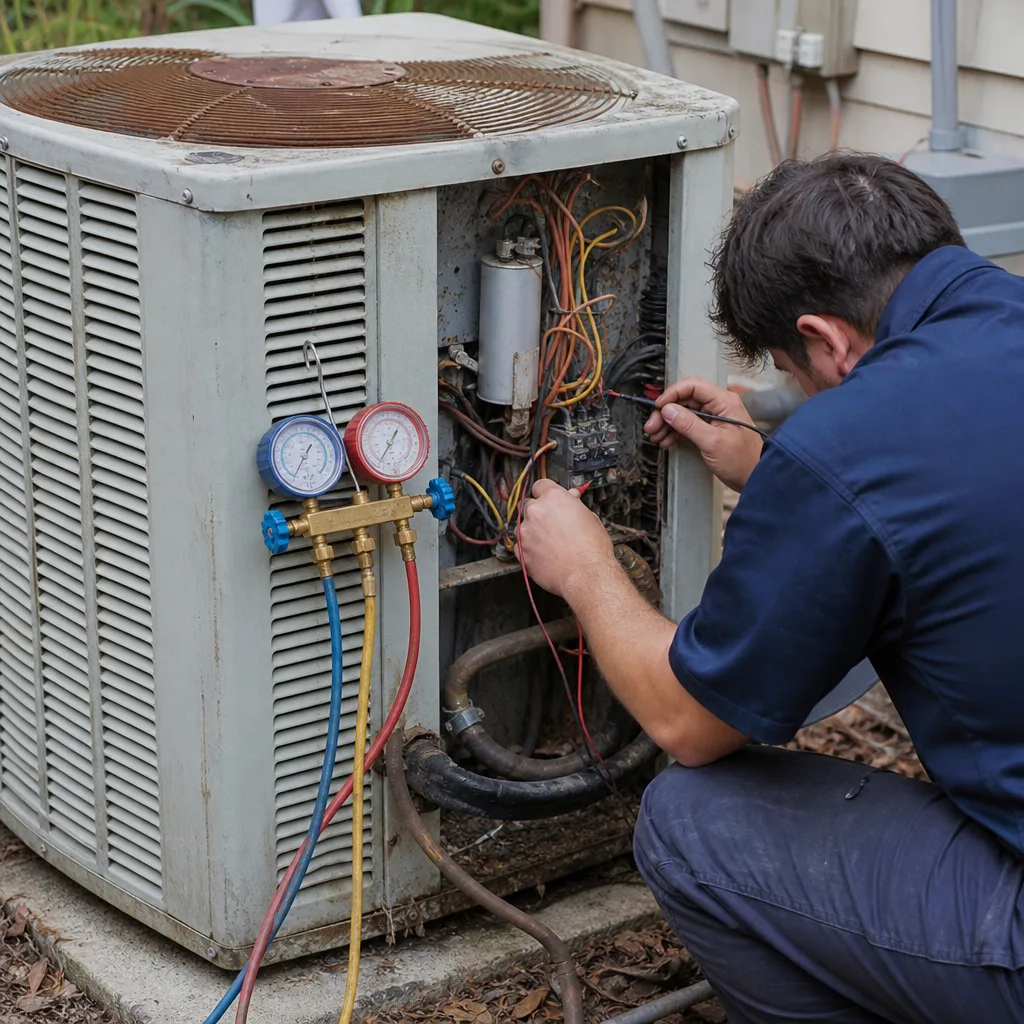 Before
 After
After Before
 After
After Before
 After
After