
Last updated October 16, 2026
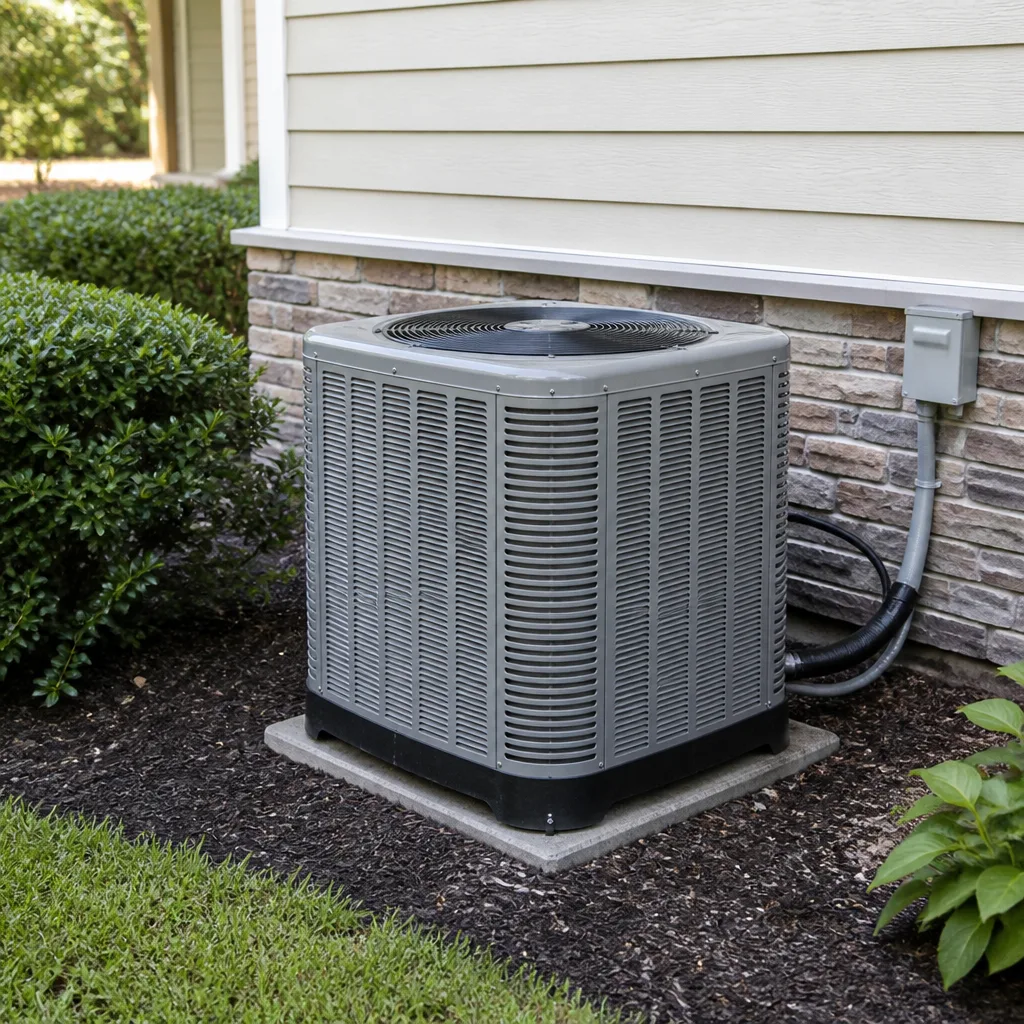 AC repair
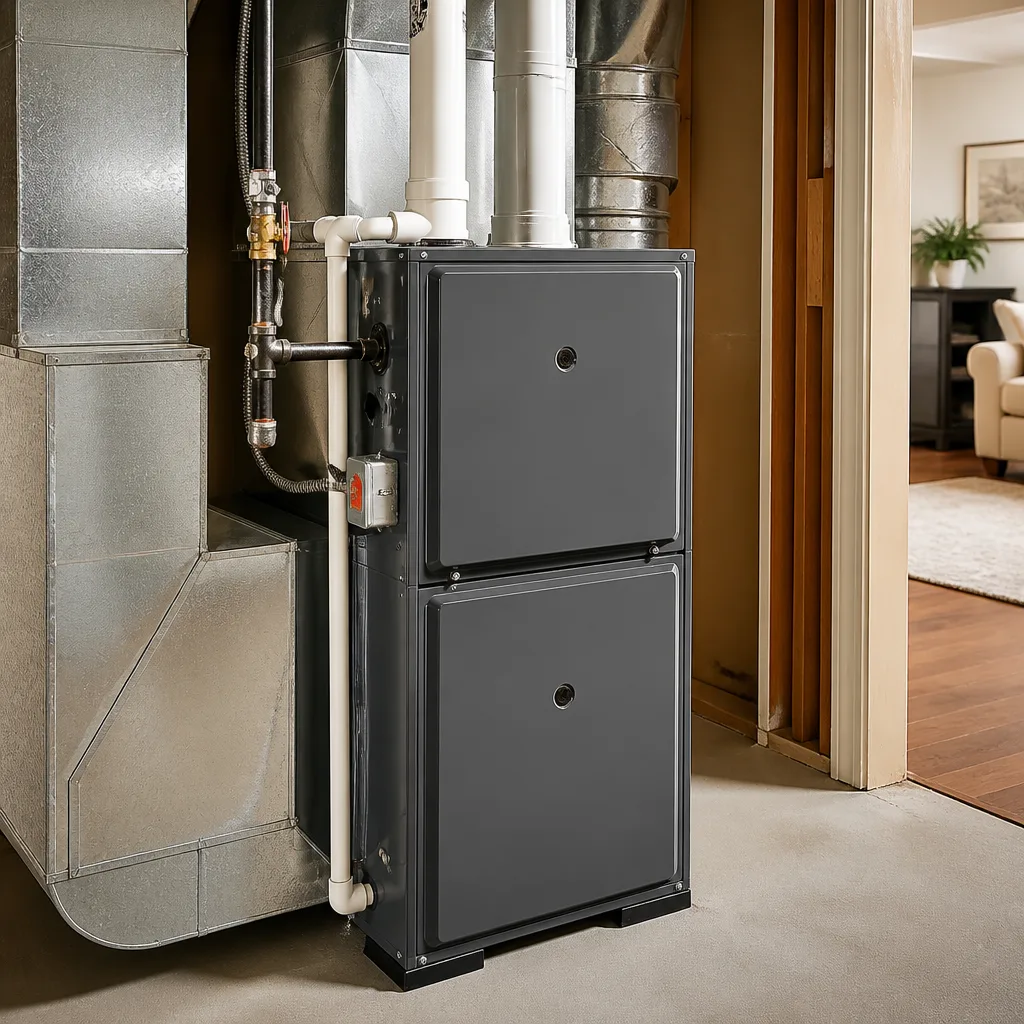 Furnace & heating
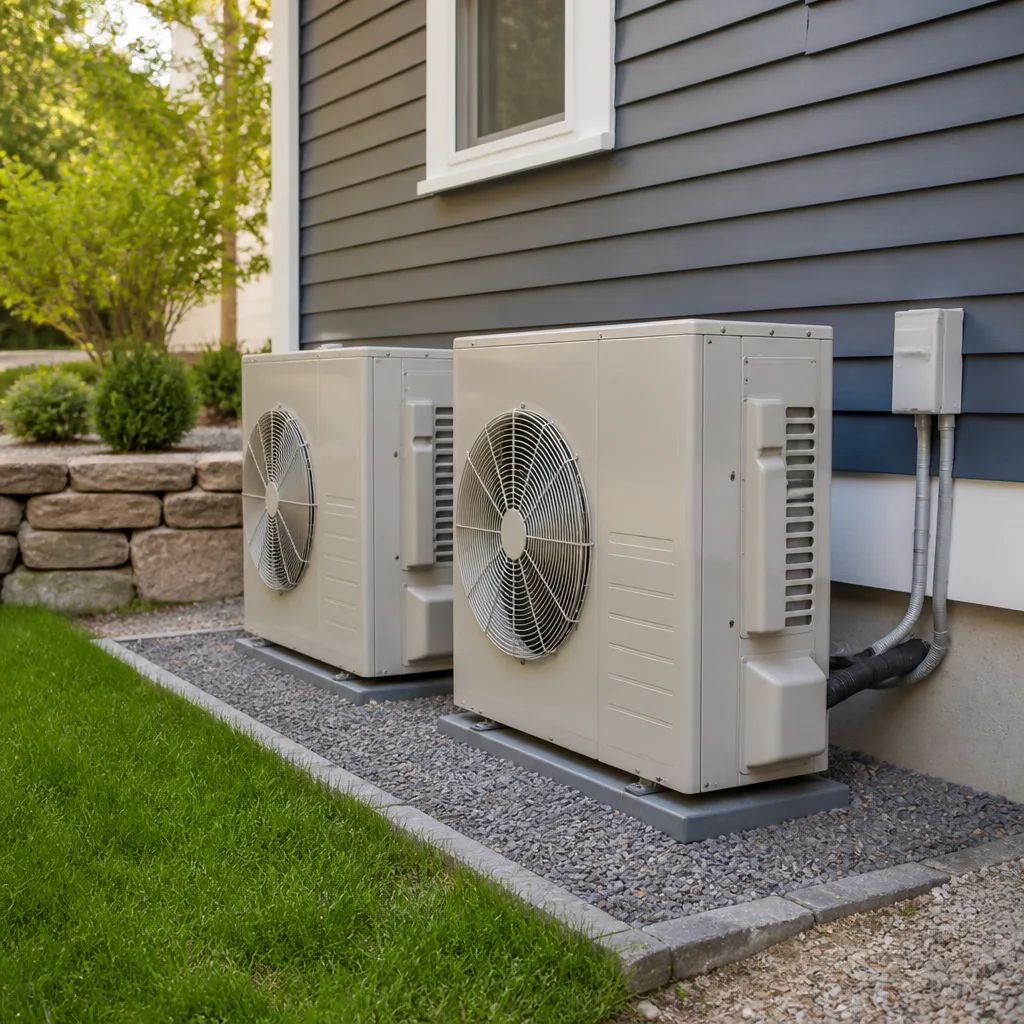 Heat pumps
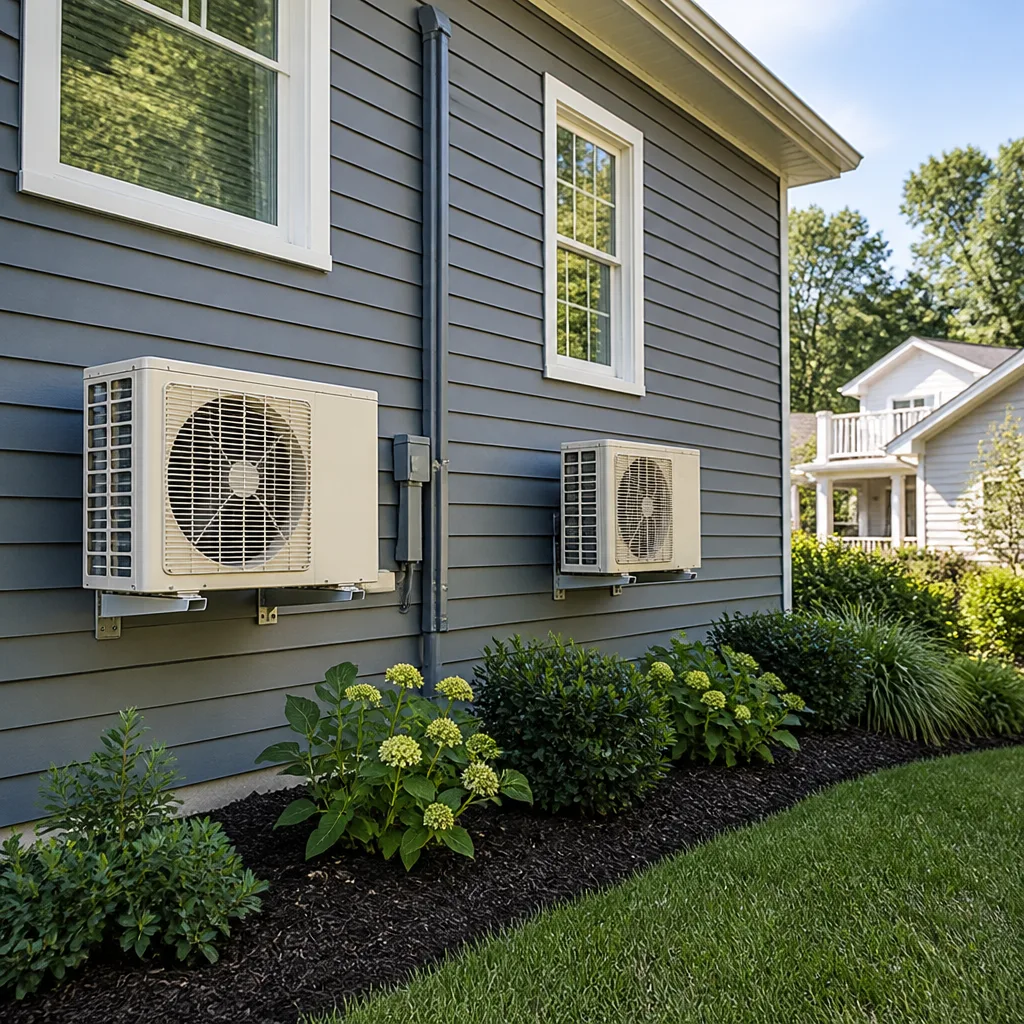 Ductless mini splits
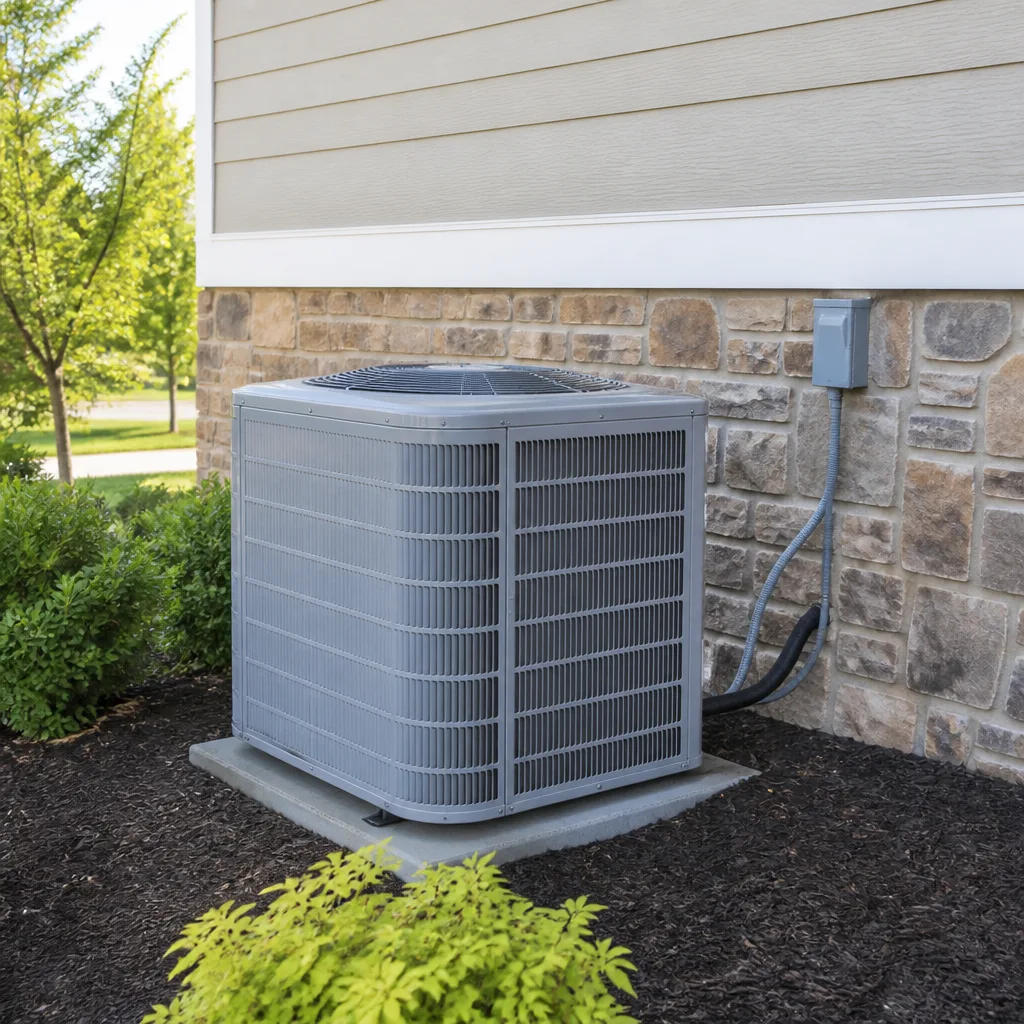 Carrier
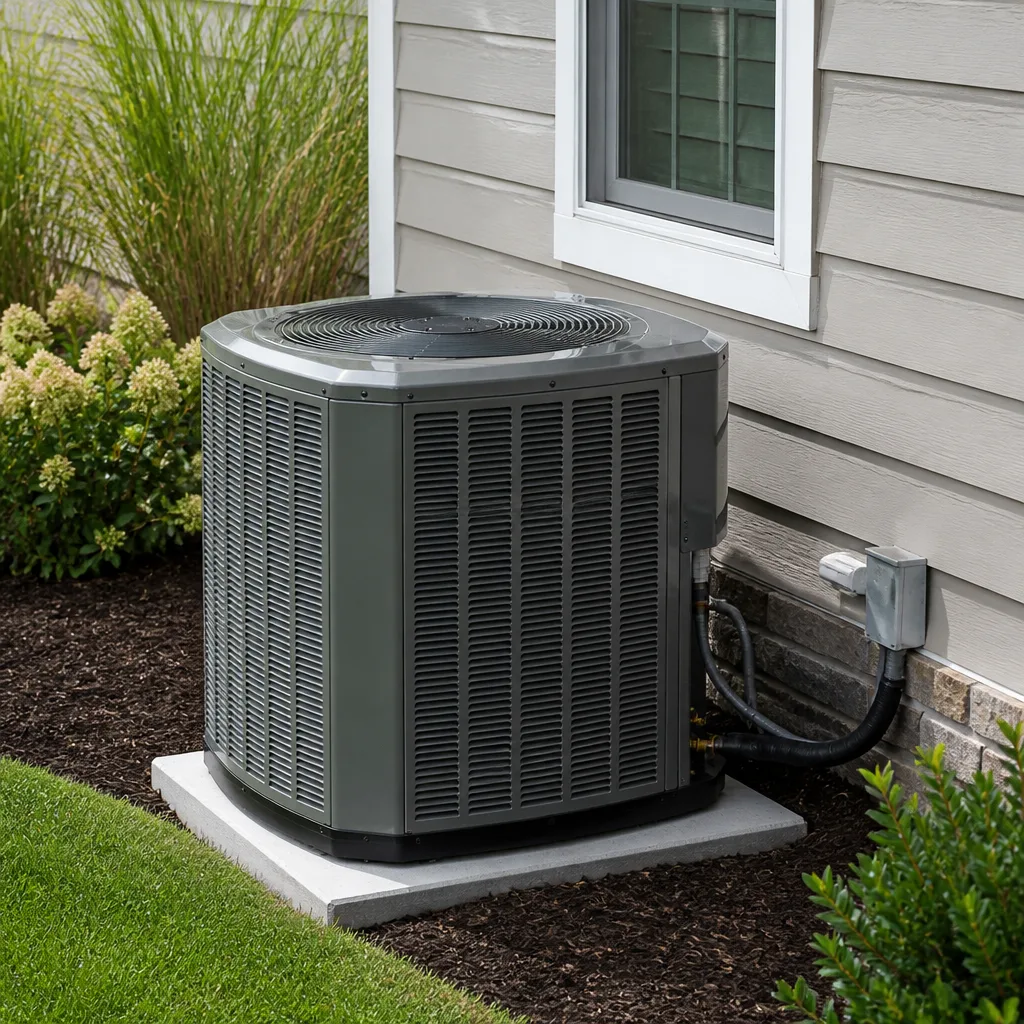 Trane
Trane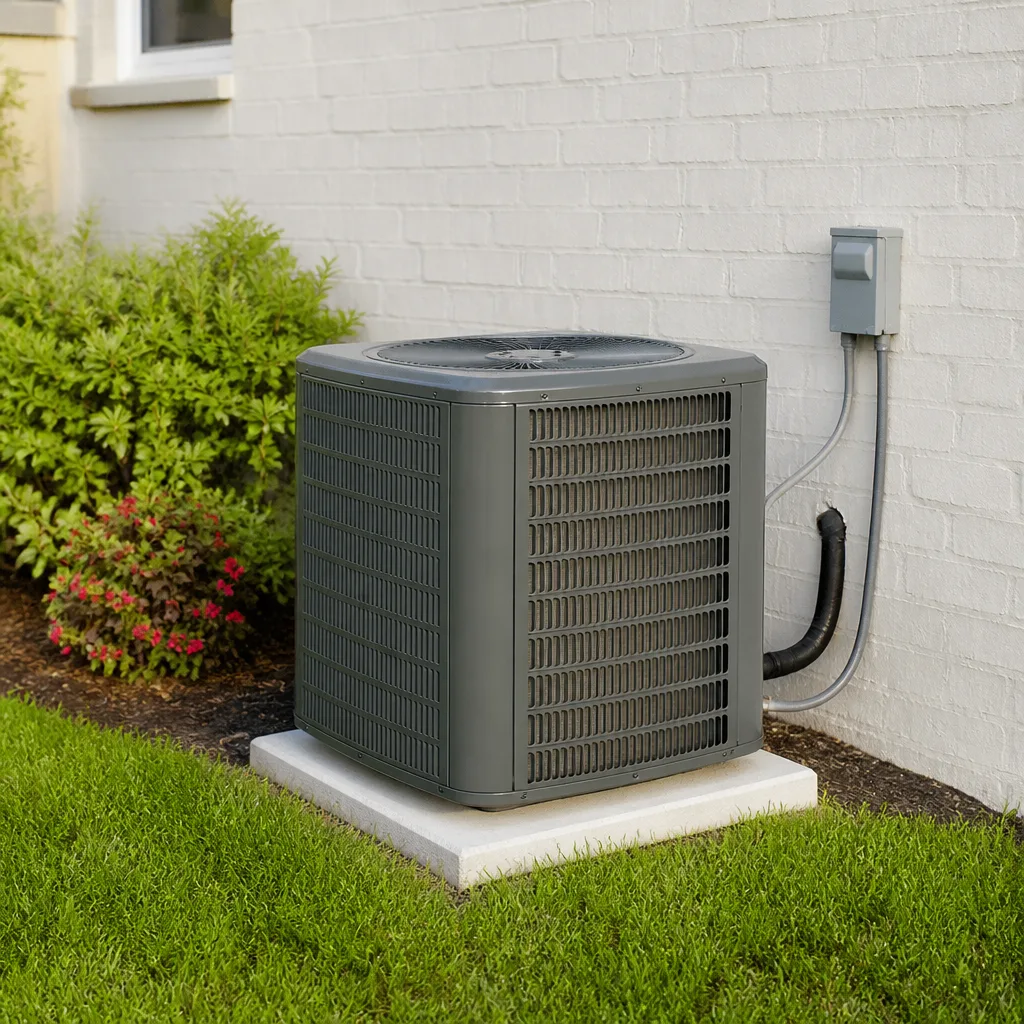 Goodman
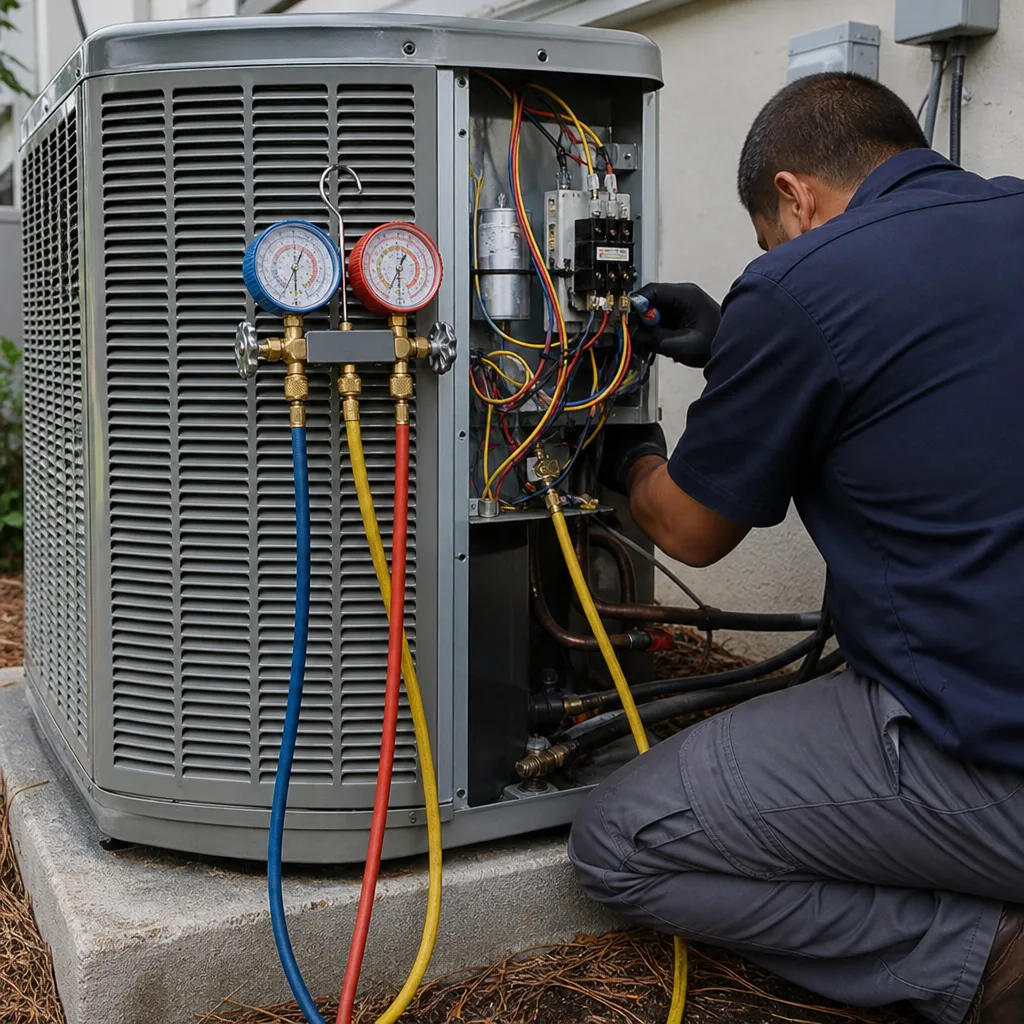
Seasonal tune-up and full diagnostic on your Carrier, Trane, or Goodman system - readings shown to you before any repair is proposed
Diagnosis first, numbers second - you approve the repair price before a single part goes in.
Get your free estimateHVAC Cost Breakdown: The Jacksonville Homeowner’s Reference for 2026
The same 3-ton AC replacement in Jacksonville can be quoted at $5,800 or $11,400 by two licensed contractors, and both quotes can be entirely honest. The difference is almost never profit margin. It’s equipment tier, warranty structure, permit inclusion, and whether the contractor is sizing the system for your house or for the invoice. Most Jacksonville homeowners never learn this until after they’ve signed. This guide names real price ranges for every common repair and replacement scenario in 2026, explains exactly what drives the gap between the low and high end, and tells you what a legitimate quote must include in writing before you agree to anything.
We’ve been repairing and maintaining HVAC systems in Jacksonville since 2003, and in our experience, the homeowners who get the best outcomes aren’t the ones who find the cheapest bid. They’re the ones who know what a fair price looks like before the estimator walks in the door. That’s what this guide gives you.
Quick Answer
HVAC replacement in Jacksonville FL typically costs between $5,800 and $11,400 for a standard 3-ton heat pump system in 2026, with most mid-tier installations landing around $7,900 to $9,200. Common repairs run from $120 for a capacitor replacement to $1,800 or more for an evaporator coil. The single biggest variable is equipment tier, followed by whether the contractor pulls permits and handles HVAC Permits, Codes & Inspections in FL: What You Need to Know, performs a load calculation, and writes the full scope of work into the quote before you sign.
Styles & brands we work with
Table of Contents
- The 12 Most Common Jacksonville HVAC Repairs: 2026 Price Ranges
- Full System Replacement Costs in Jacksonville
- Builder-Grade vs. Mid-Tier Equipment: The 10-Year Jacksonville Cost
- What “Labor Included” Really Means (and What It Hides)
- How Financing Terms Change the True Cost of Your HVAC System
- What a Flat-Rate, Written-Before-Work Pricing Structure Looks Like
- Common Mistakes to Avoid
- When to Call a Professional
The 12 Most Common Jacksonville HVAC Repairs: 2026 Price Ranges
Most HVAC service calls in Jacksonville fall into a predictable set of repairs. Here’s what each one costs, what the part actually does, and what a written quote should include. These ranges reflect parts and labor for a licensed Jacksonville contractor in 2026. We use the trade’s real words, then explain them in plain language.
- Capacitor replacement: $120 – $280. The capacitor is the small cylinder that gives your compressor and fan motor the electrical jolt they need to start. When it fails, your outdoor unit hums but won’t spin up. This is the most common repair we see in Jacksonville, especially after heat waves. A written quote should itemize the capacitor grade and labor separately.
- Contactor replacement: $130 – $290. The contactor is the electrical switch that turns the outdoor unit on when your thermostat calls for cooling. Jacksonville’s frequent storm surges and voltage dips wear these out faster than in drier climates. If your AC doesn’t respond to the thermostat at all, this is often the culprit.
- Condensate drain line clearing: $95 – $250. Florida’s humidity means this line clogs constantly. Algae and mold build up inside the pipe, water backs up into the drain pan, and your system shuts down or leaks into the house. A proper quote should include flushing the line and, where needed, applying an anti-algae treatment.
- Refrigerant recharge: $250 – $750. A refrigerant recharge means refilling the fluid that moves heat out of your home. The wide range reflects how much refrigerant your system needs and whether it’s R-410A or the newer, pricier A2L refrigerants that 2025 and 2026 systems use. Important: if your system needs refrigerant, it has a leak. A legitimate contractor won’t just top it off and leave. They’ll find and fix the leak, or tell you clearly if the leak is in an unfixable coil.
- Blower motor replacement: $450 – $900. The blower motor pushes conditioned air through your ducts. Variable-speed motors cost more than single-speed. In Jacksonville’s long cooling season, these motors run thousands of hours per year and fail more often than homeowners expect.
- Thermostat replacement: $125 – $350. A basic digital thermostat is inexpensive. A smart or Wi-Fi thermostat with Jacksonville-specific programming, humidity control, and variable-speed compatibility runs at the higher end. Labor for proper wiring and setup should be included in any written quote.
- Condenser fan motor replacement: $300 – $550. The fan in the outdoor unit pulls air across the condenser coil. When it fails, the compressor overheats and shuts down. This is a repair that pays for itself quickly because a failing fan motor left unchecked can damage the far more expensive compressor.
- Compressor replacement: $1,500 – $2,800. The compressor is the pump that moves refrigerant through the system. It’s the single most expensive part in an AC or heat pump. Replacing one is a major repair, and on a system older than 10 years, it’s often smarter to put that money toward a new condenser or full system.
- Evaporator coil replacement: $1,200 – $2,100. The evaporator coil sits inside the air handler and absorbs heat from your home’s air. In Jacksonville, coil leaks are the most common reason a system loses refrigerant. A written quote should specify whether the coil is matched to your existing condenser and what the warranty covers.
- Circuit board replacement: $250 – $600. The control board is the brain of the furnace or air handler. Power surges, lightning strikes, and age all take a toll. Jacksonville’s afternoon thunderstorms produce more surge-related board failures than almost any other region.
- Flame sensor cleaning or replacement (furnace): $90 – $200. The flame sensor tells your furnace that the gas has actually ignited. If it’s dirty, the furnace shuts off as a safety precaution. Cleaning is quick and inexpensive. Replacement is only slightly more.
- Igniter replacement (furnace): $150 – $300. The igniter is the element that lights the gas in your furnace. Most igniter replacements run $150 – $300, parts and labor included. If your furnace clicks but won’t light, this is the likely cause. Gas line work should always be handled by a licensed professional.
Every one of these repairs should come with a written quote before the work begins. At Brandt HVAC Co Jacksonville home, we write the price down, show it to you, and don’t turn a single screw until you’ve approved it in writing. If a contractor won’t do that, that’s your signal to call someone else.
Full System Replacement Costs in Jacksonville
When we say “full system replacement,” we mean the outdoor condenser (or heat pump) and the indoor air handler (or furnace) together. In Jacksonville’s climate, a heat pump is the standard choice because it handles both cooling and heating. Here’s what you can expect to pay in 2026 in Jacksonville, broken out by equipment tier.
- Builder-grade heat pump (14 SEER2, entry-tier brands like Goodman or Rheem): $5,800 – $7,200 installed. This is the minimum viable system. It cools and heats your home, but it runs less efficiently, has a shorter lifespan in Florida’s heat and humidity, and typically carries a 5-year parts warranty.
- Mid-tier heat pump (16 – 17 SEER2, brands like Goodman, Rheem, York): $7,900 – $9,600 installed. Better efficiency, quieter operation, and a longer warranty (often 10 years on the compressor). This is the sweet spot for most Jacksonville homes when you factor in JEA electricity rates and how many hours per year the system runs.
- High-efficiency heat pump (18 – 20 SEER2, brands like Daikin): $10,500 – $13,500 installed. Variable-speed compressor, much lower humidity fluctuation, and the best warranty coverage. These systems cost more up front but save meaningfully on JEA bills if you’re replacing a 10 SEER or older unit.
- Dual-fuel or gas furnace + AC combo: $7,800 – $12,000 installed. Less common in Jacksonville but still present in older homes with natural gas lines. The furnace handles heating, the AC handles cooling. A dual-fuel option means you keep a high-efficiency heat pump for mild days and the furnace for cold snaps.
These prices assume a properly sized system, a full installation by a licensed crew, new line set, new pad, condensate drain modifications as needed, and a permit from the City of Jacksonville. If a quote comes in below these ranges, ask what’s being left out. The answer is usually one of four things: no permit, no load calculation, reused line set, or a crew you’ve never heard of.
We’ve done AC repair in Jacksonville long enough to know the difference between a system that was installed right and one that was installed to a price. The difference shows up in the first two summers, and it always costs more later than it saved up front.
Builder-Grade vs. Mid-Tier Equipment: The 10-Year Jacksonville Cost
The price tag on the box is not the cost of the system. Here’s the math that almost no one does before signing. We’ll compare a builder-grade 14 SEER2 heat pump against a mid-tier 17 SEER2 heat pump over a 10-year operating period in Jacksonville, using JEA’s 2026 average residential rate of approximately 14.5 cents per kilowatt-hour.
Jacksonville’s cooling season runs roughly March through November, with the heaviest demand from May through September. The average Jacksonville home with a properly sized 3-ton heat pump runs its system approximately 2,800 cooling hours per year. Here’s the difference:
- Builder-grade 14 SEER2: Uses about 4,100 kWh per year for cooling. At 14.5 cents per kWh, that’s roughly $595 per year in cooling electricity.
- Mid-tier 17 SEER2: Uses about 3,400 kWh per year for cooling. At the same rate, that’s roughly $493 per year.
The annual difference is about $100. Over 10 years, that’s $1,000 in JEA bill savings. But that’s not the whole story. The mid-tier system’s compressor typically carries a 10-year warranty versus 5 years on builder-grade equipment. If a compressor fails in year 7 on the builder-grade system, you’re paying $1,800 – $2,600 out of pocket. The mid-tier system would still be covered.
Add it up: $1,000 in energy savings plus the avoided risk of an uncovered compressor failure, and the “cheaper” builder-grade system can easily cost you $2,500 – $3,500 more over a decade than the mid-tier system that cost $1,200 – $1,800 more up front. That’s the real cost difference. We’d rather a Jacksonville homeowner understand this before signing than call us in year 7 with a dead compressor and a grim look.
What “Labor Included” Really Means (and What It Hides)
“Labor included” is the most dangerous phrase in HVAC estimates. It sounds like protection, but it’s often a way to make a quote look complete while leaving out a dozen things that will show up as extra charges after you’ve signed. Here’s what a low-bid Jacksonville contractor means by “labor included” and what they’re actually doing.
When we hear from Jacksonville homeowners who took the lowest bid, the story is almost always the same. The initial quote covered the equipment and the basic install labor. Then these line items appeared:
- Permit fees: The City of Jacksonville requires a mechanical permit for HVAC replacement. The fee ranges from roughly $150 to $400 depending on the scope. If the contractor didn’t include it, they either didn’t pull the permit or they’re billing you later for it.
- Line set replacement: The copper tubing that carries refrigerant between your indoor and outdoor units. Reusing an old line set can save $400 – $700, but if the old lines aren’t the right size for the new refrigerant or the new system, you pay for it later in efficiency loss and early failure.
- Duct modifications: Newer systems often need a transition piece between the new air handler and your existing ductwork. $200 – $500 on the back end if it wasn’t in the quote.
- Electrical disconnect or breaker upgrade: Newer, more efficient systems sometimes need a new disconnect box or an updated breaker. $250 – $600.
- Pad replacement: A cracked or sinking condenser pad needs replacement. $150 – $300.
- Refrigerant line flush: If the old system burned out a compressor, the lines need flushing before the new system goes in. $200 – $400 if it’s added later.
A legitimate “labor included” quote means every one of these items is written down, line by line, with a dollar amount next to it, before you agree. If the quote is a single number and the words “labor included,” you’re looking at a number that will grow. We write the full scope of work on every single job, and we don’t start until you’ve seen it and signed it. That’s how it should work everywhere.
How Financing Terms Change the True Cost of Your HVAC System
Most Jacksonville HVAC replacement quotes come with a financing offer. The system is $9,000, and the contractor says, “No money down, 0% for 24 months.” Sounds simple. It usually isn’t. Here’s what to check before you agree to any contractor-offered payment plan.
- Ask what the cash price is. 0% financing is never free. The lender charges the contractor a fee to buy down that interest rate, and that fee is often hidden in the price of the system. If the cash price is $8,200 and the financed price is $9,000, you’re paying an $800 finance fee disguised as an equipment cost. A legitimate contractor will tell you both numbers.
- Ask what happens if you pay it off early. Some contractor financing plans use deferred interest. That means if you don’t pay the full balance within the promotional period, interest accrues retroactively from day one at 24 – 29% APR. A homeowner who thinks they’re at 0% for 24 months can get hit with $2,500 in back-interest on the 25th month.
- Ask whether the financing is through a bank or a contractor’s in-house plan. Bank financing through reputable lenders typically has clearer terms. In-house plans can be more opaque.
- Ask what the total of payments will be. By law, you should receive a Truth in Lending Act disclosure that states the total of payments. Read it. That number is the real price of the system, finance charges included.
- Ask whether the warranty stays valid if the loan is sold. Most contractor financing is sold to a third-party lender within months. That’s fine. The warranty should be with the equipment manufacturer and the installing contractor, not the lender. Make sure that’s stated in writing.
- The diagnostic visit has a stated price before we arrive. You know what the service call fee is when you book. There’s no surprise trip charge. If we proceed with a repair, the diagnostic fee typically rolls into the repair total.
- Every repair has a printed price before work begins. Not an estimate. Not a range. A printed price for that specific repair on your specific system, parts and labor included. You approve it in writing, then we work.
- Every installation quote is itemized. Equipment model number, SEER2 rating, line set, pad, permit, electrical, duct transitions, refrigerant, labor, haul-away of old equipment. Every line has a dollar amount. The total at the bottom is the total. No asterisk, no “subject to change.”
- The warranty is written. Every repair we make at Furnace Repair in Jacksonville carries a written guarantee that states exactly what it covers and for how long. This repair is guaranteed for 365 days. If it fails, we return at no charge. That’s the 365-Day Done Right Promise, and it’s in writing.
- You know who’s coming before they ring the bell. We send you the technician’s name and photo before every visit. They show up in uniform, they show a photo ID badge at the door, and they’ve been background-checked and identity-verified under the Threshold Verified standard. If anyone shows up at your door who you were not told to expect, that visit is on us and we make it right.
- Accepting a single-number quote. If the quote is one number and a handshake, you’re about to pay for whatever wasn’t on the paper. Demand a line-item scope of work. Every dollar on paper, before you sign.
- Skipping the permit. Jacksonville requires mechanical permits for HVAC replacement. An unpermitted install can complicate a future home sale, and your insurer may refuse to cover damage from an unpermitted system. If the contractor won’t pull a permit, that’s a red flag the size of the St. Johns River.
- Replacing a system without a load calculation. A load calculation (Manual J) measures your home’s actual heating and cooling needs based on square footage, insulation, window orientation, and duct condition. Guessing by rule of thumb leads to oversized systems that short-cycle, battle humidity, and fail early. Jacksonville’s humidity punishes oversized systems harder than almost any climate.
- Choosing equipment based on brand name alone. Goodman and Daikin are made by the same parent company. Rheem and York are both solid mid-tier options. The installer matters more than the brand. A poorly installed top-tier system will underperform a properly installed builder-grade one.
- Financing without reading the Truth in Lending Act disclosure. The total of payments number is the real price. Read it before you sign. The monthly payment is not the cost.
- Not asking who is coming to your door. Most homeowners never ask. Then a stranger arrives, and if the homeowner is alone or has young kids, that moment is uncomfortable. Ask the name. Ask for the photo. If the company won’t provide both before the visit, call a company that will.
Financing is not bad. A well-structured loan at a fair rate makes a necessary replacement affordable without draining a savings account. The problem is when the financing is used to inflate the equipment price and lock you into terms you didn’t fully understand. Get the cash price first, then ask what the financing costs.
What a Flat-Rate, Written-Before-Work Pricing Structure Looks Like
There are three pricing models in HVAC: time-and-materials (you pay for hours worked plus parts), flat-rate for repairs (a predetermined price per job, regardless of how long it takes), and flat-rate for installations (a total job price quoted in writing before the work starts). Time-and-materials is the worst model for a homeowner because the meter is running and you have no idea what the total will be.
Here’s what a Brandt-style flat-rate structure looks like on paper, so you can recognize it and demand the same from any contractor you call in Jacksonville.
This is not complicated. It’s just what happens when a contractor decides that the homeowner deserves the same certainty the contractor expects from their own suppliers. The name Brandt comes from an old word for a firebrand, a fitting name for the work of keeping a home warm. And the pricing philosophy fits the name: direct, clear, and no smoke.
Common Mistakes to Avoid
When to Call a Professional
Some repairs are safe to inspect on your own: a tripped breaker, a clogged condensate drain you can access, a dirty air filter. Anything involving refrigerant, electrical panels, gas lines, or the sealed compressor systems inside the outdoor unit is a different story. Refrigerant under pressure can cause serious injury. Electrical wiring carries live current. Gas lines leak. If your system is blowing warm air, making unusual sounds, tripping breakers repeatedly, or showing any of the HVAC Warning Signs: A Jacksonville Homeowner’s Reference Guide, call a licensed Jacksonville HVAC professional.
Brandt HVAC Co Jacksonville offers free estimates in Jacksonville. Call (904) 456-0205 and a live person will answer, 24 hours a day, 7 days a week. No voicemail, no callback queue, no automated phone tree. We’ll send a background-checked, uniformed technician to your door, and you’ll know their name and face before they arrive. This is how we’ve done AC maintenance in Jacksonville since 2003.
See the difference
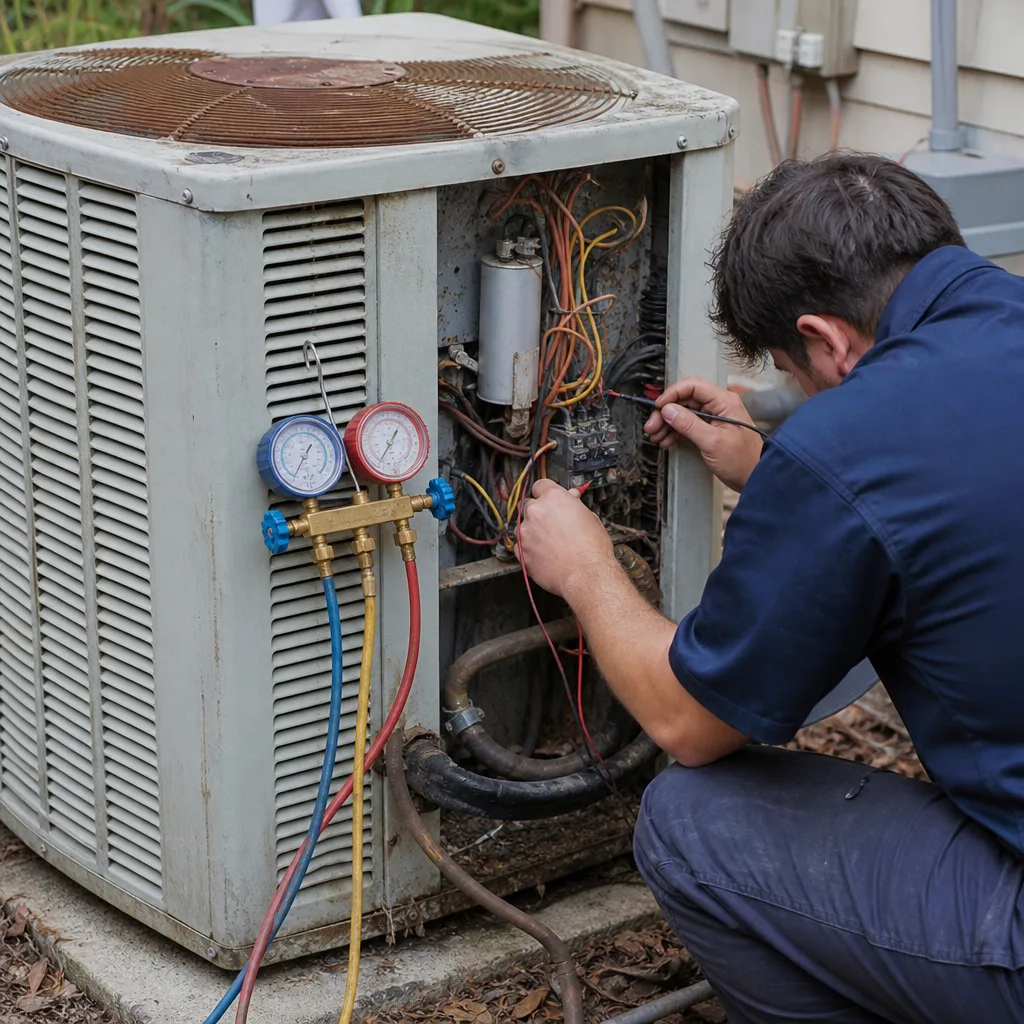 Before
 After
After Before
 After
After Before
 After
AfterFrequently Asked Questions
A new heat pump system in Jacksonville typically costs between $5,800 and $11,400 installed in 2026, with most mid-tier installations landing around $7,900 to $9,200. The price depends on equipment efficiency (SEER2 rating), brand, home size, duct condition, and whether the quote includes permits, line set replacement, and a full load calculation. Call (904) 456-0205 for an exact quote, estimates are free.
If your repair costs more than half the price of a new system and the system is over 8 years old, replacement is usually the smarter financial choice in Jacksonville’s climate. If the repair is minor and the system is under 8 years old, repair makes sense. The compressor is the deciding factor: a dead compressor on a 10-year-old system almost always means replacement.
The capacitor is the most common HVAC repair in Jacksonville, typically costing $120 to $280 parts and labor. Jacksonville’s long, hot cooling season puts constant strain on capacitors, and they fail more often here than in milder climates, which is why Seasonal HVAC Care for Jacksonville: Year-Round Homeowner’s Guide matters. When the outdoor unit hums but won’t start, the capacitor is the first thing to check.
Yes. The City of Jacksonville requires a mechanical permit for HVAC system replacement. A legitimate contractor includes the permit fee in the quote and handles the paperwork. An unpermitted installation can complicate a future home sale and may be excluded from your homeowner’s insurance coverage.
Get at least two line-item quotes, compare equal equipment tiers, confirm the permit is included, and ask for the cash price separately from any financing offer. A written price before work begins is the single best protection against overpaying. If a contractor won’t put the full scope in writing, call someone else.
In 2026, JEA offers rebates for high-efficiency heat pumps (typically 16 SEER2 and above), and federal tax credits under the Inflation Reduction Act remain available for qualifying systems. A mid-tier heat pump may qualify for both. Ask your contractor to provide the current rebate paperwork and verify your system qualifies before you sign. Call (904) 456-0205 and we’ll walk you through what’s available.
The Bottom Line
HVAC pricing in Jacksonville is more variable than almost any other home service category, and that variability is almost never explained to homeowners before they sign. The difference between a $5,800 and an $11,400 quote for the same 3-ton system is equipment tier, warranty structure, permit inclusion, and installation quality, not profit padding. Jacksonville’s heat and humidity punish cheap, oversized, poorly installed systems harder than almost any climate in the country. Know the real price ranges before the estimator arrives, demand a written line-item quote, understand your financing terms, and ask who is coming to your door. For more guides & resources, visit our blog. That’s how you get a system that works for the next decade instead of against you.
Brandt HVAC Co Jacksonville provides free estimates in Jacksonville. Call (904) 456-0205 and a live person answers, 24/7. You’ll get a written price before any work begins, a written guarantee on every repair, and a technician you know by name and face before they ever ring your bell. No surprises. Just certainty.
Written by Devin Marlowe, Owner at Brandt HVAC Co Jacksonville, serving Jacksonville since 2003.