
Last updated October 16, 2026
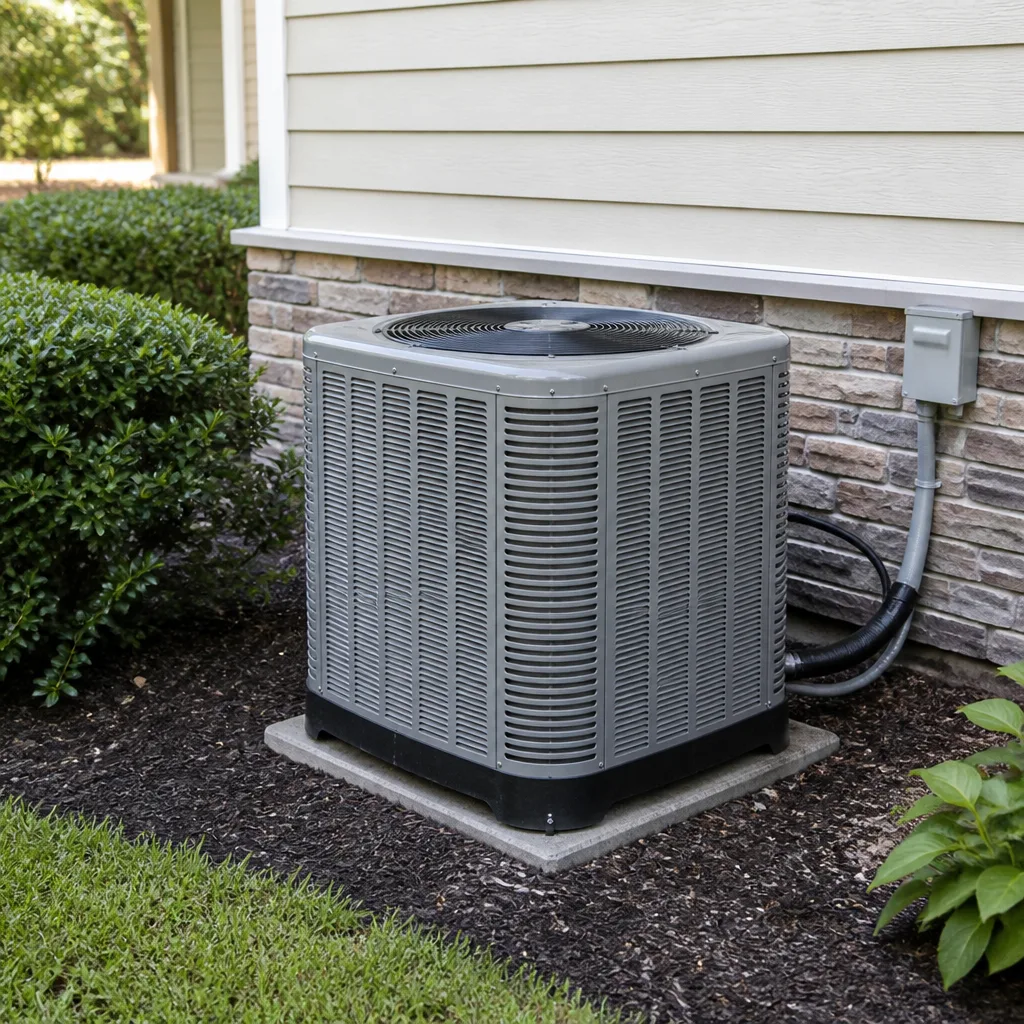 AC repair
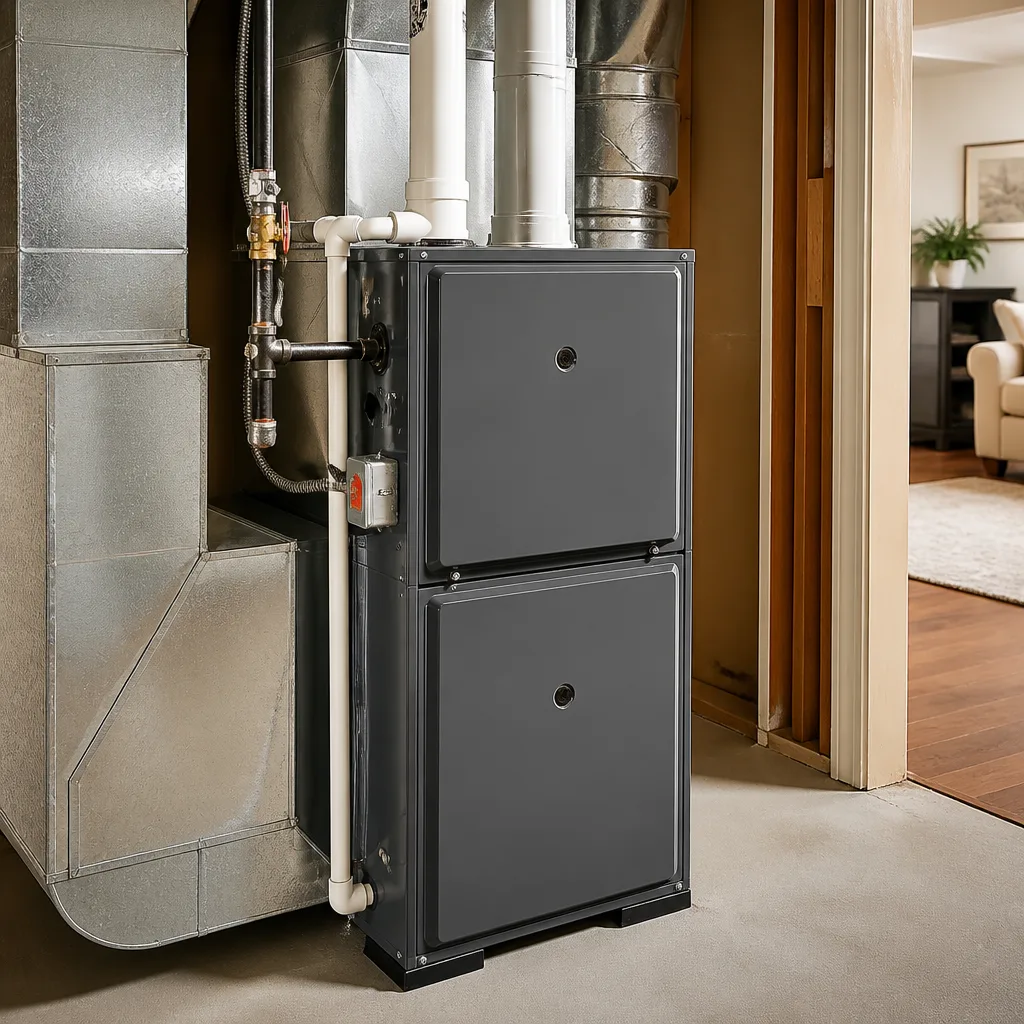 Furnace & heating
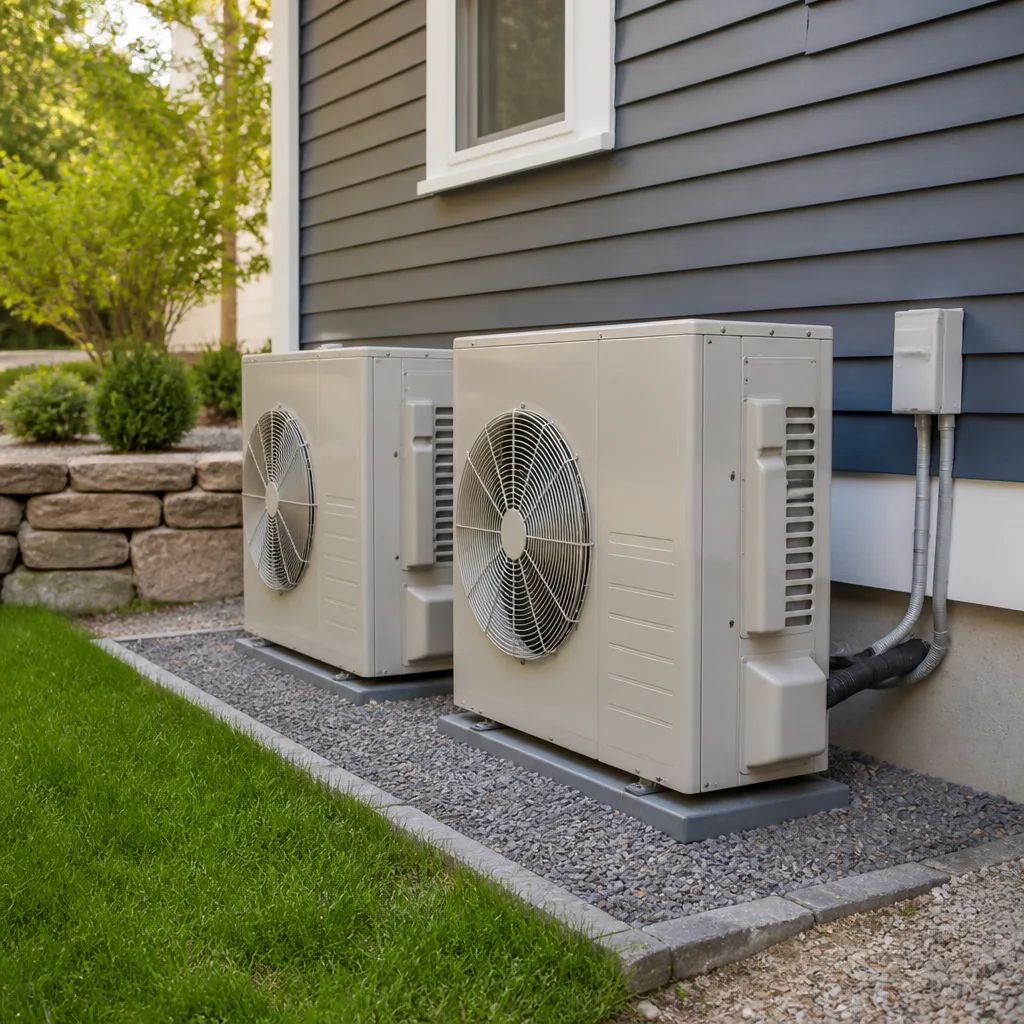 Heat pumps
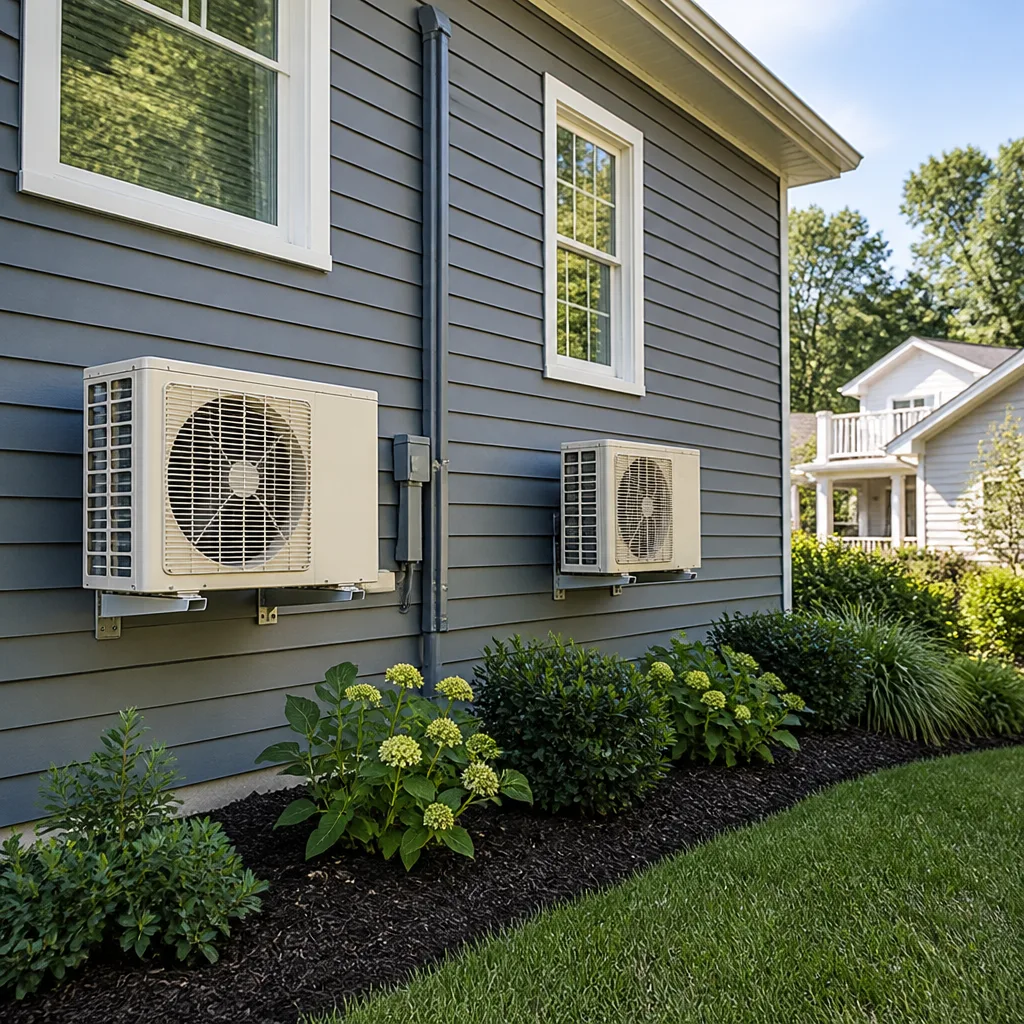 Ductless mini splits
 Carrier
 Trane
Trane Goodman
Seasonal tune-up and full diagnostic on your Carrier, Trane, or Goodman system - readings shown to you before any repair is proposed
Diagnosis first, numbers second - you approve the repair price before a single part goes in.
Get your free estimateHVAC Permits, Codes & Inspections in FL: What You Need to Know
In Jacksonville, an $85 permit is the only thing standing between you and a six-figure loss at the closing table. A Jacksonville homeowner found this out the hard way in 2023 when their 2021 AC replacement, installed without a permit, showed up in the buyer’s inspection report. The sale collapsed. The contractor had changed phone numbers. By the time you finish this guide, you’ll know which HVAC jobs Florida law requires permits for, how to check the permit history on any Duval County property, what Florida Building Code Section 1006 demands for duct testing, and the exact insurance policy language that could void your coverage if unpermitted work is ever discovered. For more guides & resources, visit our blog.
Styles & brands we work with
Quick Answer
In Florida, any HVAC system replacement, new installation, or relocation of equipment requires a mechanical permit from your local building department before work begins. In Jacksonville, that means pulling a permit through the City of Jacksonville Building Inspection Division or the Duval County permit portal. Repairs that replace like-for-like parts without altering the system typically do not require a permit, but full system replacements always do, and skipping the permit can void your homeowner’s insurance and surface as a material defect when you sell. Learn to spot trouble early with our HVAC Warning Signs: A Jacksonville Homeowner’s Reference Guide.
Table of Contents
- Which HVAC Jobs in Florida Require a Permit by Law
- Which HVAC Jobs Are Genuinely Exempt From Permits
- How to Check the Permit History on Any Jacksonville Property
- Florida Building Code Section 1006: Duct Testing Requirements
- The Insurance Clause Language That Voids Coverage on Unpermitted HVAC Work
- What to Do If a Previous Owner’s Unpermitted HVAC Work Is Discovered
- What HVAC Permits Cost in Jacksonville and Duval County
- Common Mistakes to Avoid
- When to Call a Professional
- Frequently Asked Questions
- The Bottom Line
Which HVAC Jobs in Florida Require a Permit by Law
Florida’s building code is unambiguous on this point: any installation, replacement, relocation, or substantial alteration of HVAC equipment requires a mechanical permit. That includes full AC system replacements, new furnace installations, adding a heat pump, inserting ductwork into a home addition, and even moving a condenser unit from one side of the house to the other. The kicker most homeowners miss: swapping a 14-year-old system for a new Carrier or Trane unit is not a repair. It’s an installation. The law treats it the same as if the house had never had cooling at all.
We’ve walked into homes across Jacksonville where homeowners genuinely believed their contractor handled the paperwork, only to find no record exists in the Duval County system. The permit is the homeowner’s protection, and the responsibility ultimately falls on you, not the contractor, to verify it was pulled. Florida Statute 489.127 makes it a misdemeanor for a contractor to perform work requiring a permit without obtaining one. But the homeowner pays the price when insurance or a sale is on the line.
Here’s what Florida code considers permit-required HVAC work:
- Full system replacement: Replacing the condenser, air handler, or both together. Even replacing just the air handler typically requires a permit because it involves electrical and refrigerant connections.
- New system installation: Adding cooling or heating to a home that did not previously have it, including mini-split installations.
- Relocating equipment: Moving a condenser or furnace to a different location on the property, even if it’s the same unit.
- New ductwork or substantial duct modifications: Adding supply runs, rerouting returns, or installing a complete duct system in new construction or a major remodel.
- Electrical service upgrades tied to HVAC: When an HVAC installation requires a new circuit, upgraded panel capacity, or new disconnect switch, the electrical work needs its own permit or at minimum must be covered under the mechanical permit scope.
In Jacksonville, mechanical permits for this work are processed through the City of Jacksonville Building Inspection Division. Duval County does not have a separate county-level HVAC permitting office. If you live within Jacksonville’s incorporated limits, the city handles it. If you’re in Baldwin, Atlantic Beach, Neptune Beach, or Jacksonville Beach, those municipalities run their own building departments with their own fee schedules, though they all enforce the same Florida Building Code.
Which HVAC Jobs Are Genuinely Exempt From Permits
Now for the other side. Florida Administrative Code 61G4-15 and section 105.2 of the Florida Building Code list exemptions that genuinely do not require a permit. These exemptions are narrow, and there is no gray-area hedging here: if the work changes the system’s design, electrical load, or refrigerant charge, it needs a permit. If it simply restores the existing system to working condition with identical components, it does not.
Here are the HVAC jobs you can have done in Jacksonville without pulling a permit:
- Part replacement with like-for-like components: Replacing a capacitor, contactor, blower motor, control board, or thermostat with an identical or functionally identical part. If the replacement part changes the electrical specifications or system performance, it’s no longer exempt.
- Refrigerant leak repair and recharge: When a technician finds and fixes a leak in a coil or line set and recharges refrigerant back to the manufacturer’s specification, no permit is required. This is a repair, not an installation.
- Cleaning and maintenance: Coil cleaning, drain line clearing, filter changes, duct cleaning, and annual tune-ups require no permit. These are preventive services, not system alterations.
- Fan blade or motor replacement on the condenser: As long as the replacement motor matches the original specifications exactly and no wiring changes are made.
- Drain pan replacement: When an evaporator drain pan rusts through or cracks, replacing the pan alone does not require a permit, provided the air handler is not moved or modified.
The most common misunderstanding we hear in Jacksonville involves compressor replacements. A compressor swap inside a condenser is a repair, not an installation, so no permit is needed. But if the entire condenser unit is replaced because the compressor failed, that’s a system component replacement, and it requires a permit. The difference comes down to whether the equipment itself leaves the property.
If you’re unsure whether your job needs a permit, call the City of Jacksonville Building Inspection Division directly at their published number. The clerk on the phone can give you a straight answer in five minutes. It costs nothing to ask and everything to guess wrong.
How to Check the Permit History on Any Jacksonville Property
Before you buy a house, before you hire a contractor, and honestly before you sign anything involving HVAC equipment, check the permit history. Duval County makes this easier than most Florida counties, but you need to know where to look and what to search for.
Jacksonville uses an online permit portal managed by the City of Jacksonville. Here’s the step-by-step process:
- Go to the City of Jacksonville Building Inspection Division website. Look for the “Permit Search” or “Online Permits” link. The system is called the Jacksonville Permit Portal or sometimes the ePermits system.
- Enter the property address exactly as it appears on your property appraiser’s record. If the address pulls no results, try variations: drop the directional prefix, or search by parcel number from the Duval County Property Appraiser’s site.
- Select the permit type filter for “Mechanical” or “HVAC.” This filters out plumbing, electrical, roofing, and building permits, though you may want to review those too while you’re in there.
- Check each permit’s status. A permit that shows “Issued” but not “Finaled” or “Closed” means the work may have been started but the final inspection was never completed. This is a red flag worth investigating.
- Look for a Certificate of Completion or final inspection record. The permit is only fully valid when the final inspection passes and the permit gets closed. An open permit from 2016 means someone never finished the job properly.
- If the portal shows nothing for HVAC work on a home that obviously has central air conditioning, that means one of two things: either the system was installed before Jacksonville’s current permit system was adopted, or the work was never permitted. Homes built before 2000 often have systems grandfathered in, but a 2018 Lennox condenser with no permit record is a problem.
We recommend doing this check before you even schedule a showing on a home you’re serious about. The search takes ten minutes. The information you uncover could save you from buying a house with a $12,000 unpermitted HVAC liability attached to it.
Florida Building Code Section 1006: Duct Testing Requirements
Florida Building Code Section 1006, which falls under the Energy Conservation chapter, spells out something most Jacksonville homeowners never hear about until an inspector brings it up: duct leak testing. This is not an optional courtesy. It’s a code requirement with teeth, and it applies to new installations and full system replacements, not routine repairs.
Here’s what section 1006 requires, in plain language: when new ductwork is installed or when an entire HVAC system is replaced, the duct system must be tested for air leakage using a duct blaster or equivalent testing method. The test measures how much conditioned air escapes through joints, seams, and connections before it ever reaches a supply register. Florida’s threshold is stricter than most states: duct leakage cannot exceed 4 cubic feet per minute per 100 square feet of conditioned floor area when tested at 25 pascals of pressure. If your home is 2,000 square feet, the maximum allowable leakage is 80 CFM.
To be exact, the Florida Building Code, Energy Conservation, Section 403.3.3 (which is cross-referenced as section 1006 in some code versions) sets the standard. I want to be direct about the numbering because this is where contractor confusion creeps in: some inspectors cite section 1006, others cite 403.3.3. Both point to the same requirement.
What does this mean for you as a Jacksonville homeowner? When a contractor quotes a full system replacement, ask one specific question: “Does this price include the duct leakage test required by Florida Building Code?” Our Seasonal HVAC Care for Jacksonville: Year-Round Homeowner’s Guide covers what to expect each season. The test typically costs $150 to $350 in Jacksonville and requires specialized equipment. Some contractors fold it into the price. Others quote without it, then hit you with an add-on after the ductwork is in. Either way, the test needs to happen, and the results need to be submitted to the building inspector for final approval.
A properly sealed duct system in Jacksonville’s humid climate does more than pass inspection. It prevents condensation problems that lead to mold in attic spaces and behind walls. The code requirement is not bureaucratic busywork. It directly addresses the biggest energy loss and moisture problem Florida homes face.
The Insurance Clause Language That Voids Coverage on Unpermitted HVAC Work
Your homeowner’s insurance policy has language in it right now that could deny a claim related to your HVAC system if the work was done without a permit. Most Florida homeowners never read this section because it’s buried in the policy’s definitions or exclusions. I’m going to tell you exactly what to look for.
Pull up your policy document, either the PDF from your insurer or the paper copy. Search for these phrases:
- “Faulty, inadequate, or defective workmanship, construction, or materials” – This is the industry-standard exclusion that appears in nearly every HO-3 policy in Florida. If a fire starts because an unpermitted, improperly installed air handler had a wiring fault, the insurer can point to this clause and deny the structure damage claim, not just the equipment damage.
- “Constant or repeated seepage or leakage” – If your unpermitted AC installation causes slow water damage over months because a drain line was not installed to code, this exclusion can block the mold remediation claim.
- “Wear and tear,” “deterioration,” or “mechanical breakdown” – These standard exclusions get much easier for the insurer to invoke when the mechanical system in question was never inspected or approved by the building department.
- “Hidden or latent defect” – If the insurer can argue the HVAC defect was latent (hidden) and caused by unpermitted work, they have a defensible denial position. The fact that you own the home and had no idea the work was unpermitted does not protect you.
Florida follows a “concurrent causation” doctrine that can get complicated, but the practical result is simple: if your HVAC system is tied to unpermitted work and something goes wrong, your insurance company has a strong, specific, policy-based reason to deny the claim. I’m not a lawyer, and this is not legal advice, but I’ve seen enough denied claims in Jacksonville to tell you the pattern directly: insurers love finding unpermitted work. It’s an easy denial.
The protection is straightforward. Before you sign a contract for any HVAC work that might require a permit, verify the permit number exists in the county system. We include the permit number on every invoice for a reason. You should expect the same from any contractor you hire.
What to Do If a Previous Owner’s Unpermitted HVAC Work Is Discovered
This is the situation every Jacksonville homeowner dreads, though it’s more common than people realize. Maybe you’re selling and the buyer’s inspector pulled the permit history. Maybe you’re buying and your own inspector flagged an HVAC system that doesn’t match any permit on record. Or maybe you already own the home and discovered it by accident while reviewing documents. Here’s the realistic path forward.
First, understand your position under Florida law. Florida Statute 489.126 states that a contractor who performs work requiring a permit without obtaining one is guilty of a misdemeanor in the second degree, punishable by up to 60 days in jail and a $500 fine. But more relevant to you, the statute also says the work is not automatically illegal to own. You can own a home with unpermitted work. You just may not be able to insure it, finance it, or sell it until the issue is resolved.
Here’s the remediation path, step by step:
- Document everything. Write down the date the work was done, the contractor’s name if known, what was installed, and any invoices or receipts you can find. This information becomes important if you need to file a complaint with the Florida Department of Business and Professional Regulation (DBPR).
- Hire a licensed mechanical contractor to inspect the system. You need a written assessment of whether the installed equipment meets current Florida Building Code standards. The contractor should check electrical connections, refrigerant charge, duct connections, condensate drainage, and equipment clearances. Expect to pay $150 to $350 for a thorough inspection in Jacksonville.
- Pull an “after-the-fact” permit. Most Florida building departments, including Jacksonville, will issue a permit for work already completed if a licensed contractor signs off on it and you pay the permit fee plus a penalty. The Jacksonville penalty is typically double the original permit fee, so figure roughly $170 to $400 total including inspection fees.
- Fix anything the inspection flags. If the inspector finds code violations, those must be corrected before the permit can be finalized. Common issues found in unpermitted Jacksonville installations include incorrect wire gauge, missing condensate overflow switches, non-code refrigerant line placement, and inadequate equipment clearance for service access.
- Obtain the final inspection and certificate. Once corrections pass inspection, the permit gets closed and you have a current, valid record. Keep this document. You’ll need it at closing and possibly for insurance underwriting.
Realistic remediation costs in Duval County: a simple after-the-fact permit on a clean installation runs $200 to $400. A system that needs code corrections runs $500 to $2,000 depending on what’s wrong. At the worst end, a system that was truly butchered might need to be removed and reinstalled, which approaches the cost of a new install: $6,000 to $14,000 for a typical Jacksonville home. Every dollar of that is preventable with an $85 permit pulled at the start.
What HVAC Permits Cost in Jacksonville and Duval County
Now let’s talk real numbers, because when you know the cost of compliance versus the cost of skipping it, the decision stops being a decision. The permit fee for a standard residential HVAC system replacement in Jacksonville runs $75 to $95 for the mechanical permit itself. Some contractors fold the inspection fees into that total, and some inspection rounds cost extra depending on the scope.
Here’s the cost breakdown a Jacksonville homeowner should expect to see on an HVAC contract:
- Mechanical permit fee (City of Jacksonville): $75 to $95 for a typical residential replacement
- Inspection fee bundled or separate: $35 to $75 per inspection, with most replacements requiring one rough inspection if ductwork is exposed and one final inspection
- Duct leakage test (Florida Building Code 1006 compliance): $150 to $350 for residences under 3,000 square feet
- After-the-fact permit penalty (if work was done already): Typically double the original permit fee, so $150 to $190 plus inspection fees
- Total at time of installation: Usually $300 to $500 added to the contract for permitting, testing, and inspection on a full system replacement
Compare that to the cost of unpermitted work discovered later. The after-the-fact permit process alone starts around $400. If insurance denies a claim because the work was unpermitted, replacement of a water-damaged ceiling, flooring, or wall cavity can run $5,000 to $30,000. If a home sale falls through and you lose a buyer over it, you can lose $15,000 to $50,000 in carrying costs, price reductions, or legal fees. The math is not close.
Any reputable contractor in Jacksonville will include the permit fee as a line item on the written estimate. If a contractor refuses to pull a permit or tries to talk you into skipping it to “save money,” that is not a contractor protecting you. That is a contractor who expects the work to fail inspection or who is not properly licensed to begin with. Walk away and find someone who will show you their license and the permit before the crew arrives.
Common Mistakes to Avoid
- Believing “it’s just a swap” doesn’t need a permit. Replacing a condenser with a different model, even if it’s the same brand and size, changes the system. If the equipment changes, the permit is required. This is the single most common mistake we see in Jacksonville.
- Trusting the contractor’s word without verifying the permit number. Some contractors say they pulled the permit and never do. The permit portal takes ten minutes to check. Do not close on a job without seeing a permit number you can verify yourself.
- Buying a Jacksonville home without checking the permit history first. The Duval County permit portal is free to use. A real estate agent will not necessarily check HVAC permits, and the title company searches for liens, not permits. This one is on you.
- Ignoring an open permit from a previous owner. An open permit means the work was never final-inspected. It can block your own future permits on the property and surface during any insurance claim. Get it closed before you close.
- Hiring based on the lowest bid, not the permit line item. A quote without permit fees included is not cheaper. It’s a quote with a hidden cost you’ll pay later, either in remediation or in denied insurance claims.
- Skipping the duct leakage test because “the old ducts are fine.” Florida Building Code doesn’t care about the age of your ducts. A full system replacement triggers the test requirement. If your contractor doesn’t test, the permit won’t close, and the work stays in limbo.
- Assuming homeowner’s insurance covers “stupid mistakes” on the previous owner’s part. Insurance policies have specific exclusions for faulty workmanship and latent defects. Unpermitted HVAC work is the easiest way for an adjuster to invoke them.
When to Call a Professional
Any HVAC work in Jacksonville that involves refrigerant, electrical connections, or system replacement should be handled by a licensed mechanical contractor. That is not a suggestion; it’s Florida law. Homeowners are legally allowed to perform some maintenance tasks, but anything involving the refrigerant circuit requires an EPA Section 608 certification, and anything involving the electrical side of the system falls under the Florida Building Code’s requirement for permitted work done by licensed trades. Use our AC Repair Maintenance Checklist for Jacksonville Homeowners to stay on track.
If you’ve discovered unpermitted work on your property, if you’re buying a home with a suspicious HVAC history, or if you simply want to know whether your current system was properly permitted and installed, call before you lose a sale or a claim. Brandt HVAC Co Jacksonville home serves Jacksonville and the surrounding areas with written upfront pricing and every permit documented. We send you the technician’s name and photo before we arrive, and we show you the permit before work begins. Call (904) 456-0205 for a free estimate on any HVAC service in Jacksonville.
Frequently Asked Questions
Yes. A full AC unit replacement in Florida requires a mechanical permit from your local building department. In Jacksonville, this is a City of Jacksonville permit, which costs about $75 to $95 for a standard residential replacement. The permit must be pulled before the work starts, and the job must pass a final inspection before it’s considered complete. For an exact quote on a permitted AC replacement in Jacksonville, call (904) 456-0205.
Yes, furnace replacement always requires a permit in Florida. The permit covers the mechanical, electrical, and gas line connections involved in the swap. A like-for-like furnace replacement still requires a permit because the unit itself is changing, even if the connections are similar. If you’re not sure whether your Jacksonville furnace replacement needs a permit, assume it does. Visit our Furnace Repair in Jacksonville page to learn more about how we handle the permitting on every replacement.
An HVAC mechanical permit in Jacksonville costs $75 to $95 for a typical residential system replacement. After-the-fact permits for work already completed without a permit typically run double that, plus inspection fees. Duct leakage testing, which is required by Florida Building Code for full system replacements, adds $150 to $350 more. For a precise quote on a permitted system installation, call (904) 456-0205.
You can list it, but you may not be able to close. Many buyers’ inspectors check HVAC permit history in Duval County, and unpermitted work is a material defect that will likely surface in the inspection report. If the buyer’s lender or insurance company gets involved, the sale can collapse. You should remediate the unpermitted work before listing, which costs $400 to $2,000 in most Jacksonville cases, or be prepared to disclose it and accept a reduced price. For a free assessment of an unpermitted system, call (904) 456-0205.
The duct leakage test is a measurement of how much conditioned air escapes from your duct system through joints and seams. Florida Building Code requires the test on new duct installations and full system replacements, with a maximum allowable leakage of 4 CFM per 100 square feet of conditioned floor area when tested at 25 pascals. The test costs $150 to $350 in Jacksonville and is required to close your permit. Our AC Maintenance in Jacksonville service includes duct inspection as part of every tune-up, which can catch leaks before they become code violations.
Usually not. Standard Florida homeowner’s policies exclude damage caused by faulty workmanship, improper installation, or latent defects, and unpermitted work feeds directly into those exclusions. An insurer that finds unpermitted HVAC installation tied to a water damage or fire claim will likely deny it. If you’re buying a home with a suspicious HVAC history, get the permit status checked before you sign, or call AC Repair in Jacksonville at (904) 456-0205 for a system inspection.
The Bottom Line
The HVAC permit process in Jacksonville is not a bureaucratic hurdle. It’s the cheapest insurance you’ll ever buy. For $85, you get an independent inspector verifying that your system was installed to code, that the ductwork was tested for leaks, and that the job won’t come back to haunt you at closing or claim time. We’ve seen what happens when permits get skipped: sales fall through, insurance claims get denied, and homeowners pay thousands to fix a problem that could have been prevented for less than the cost of a dinner out. The next time you need HVAC work in Jacksonville, ask for the permit number before the work starts. Any contractor who hesitates is telling you something important.
Written by Devin Marlowe, Owner at Brandt HVAC Co Jacksonville, serving Jacksonville since 2003.
See the difference
 Before
 After
After Before
 After
After Before
 After
After