
Last updated October 16, 2026
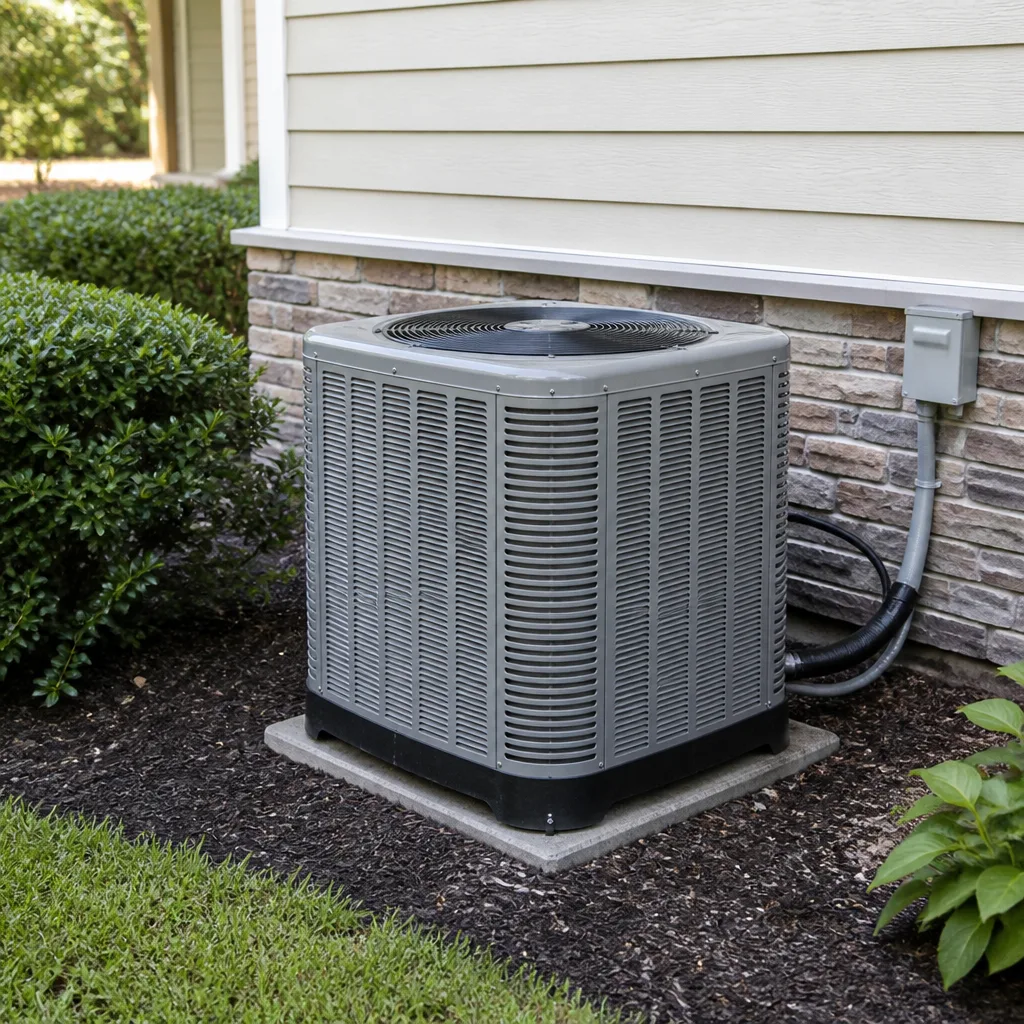 AC repair
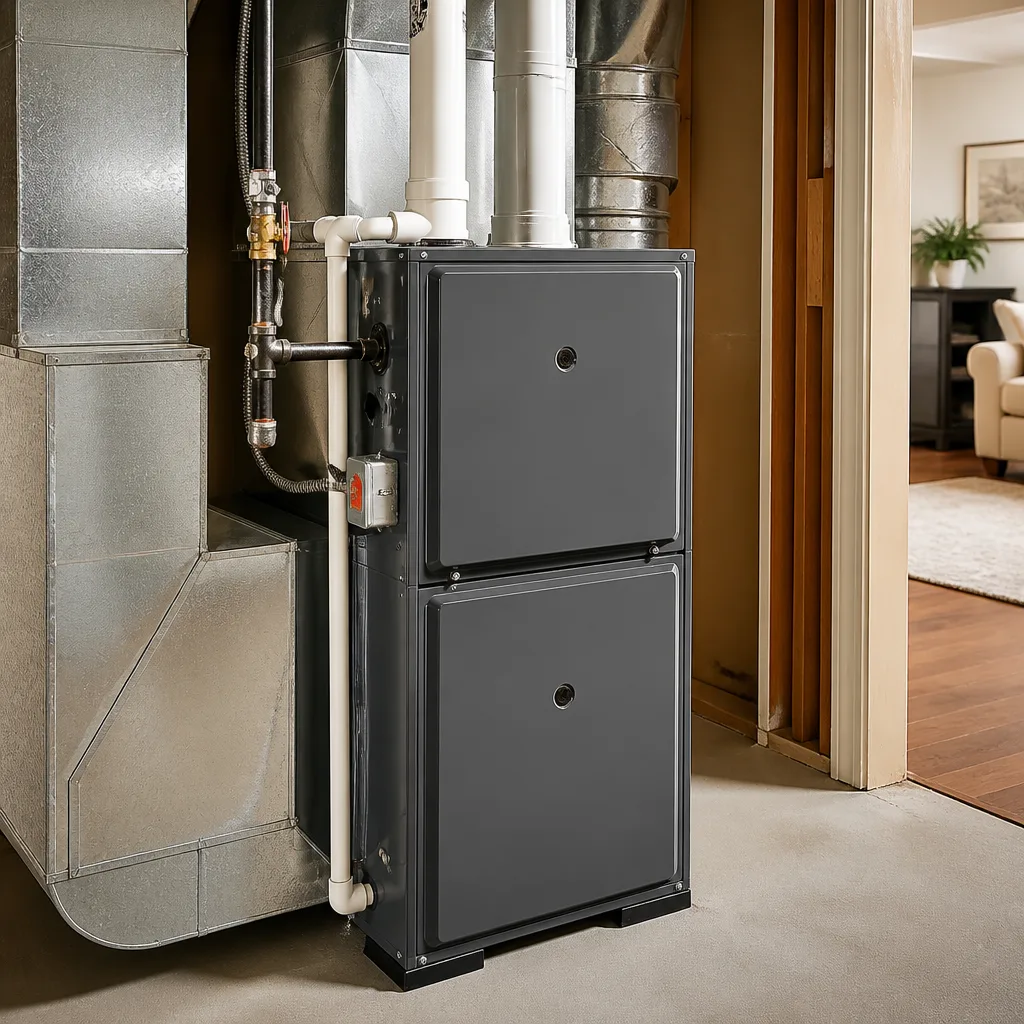 Furnace & heating
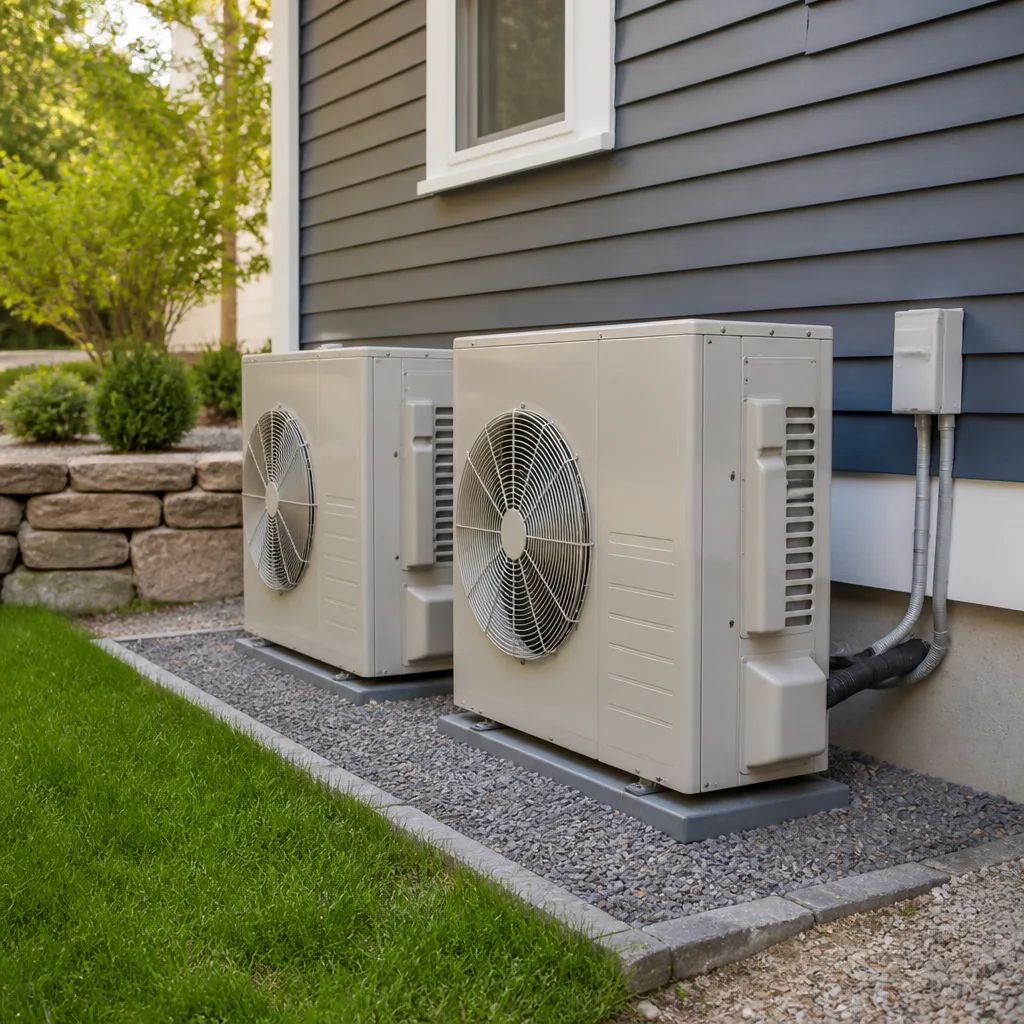 Heat pumps
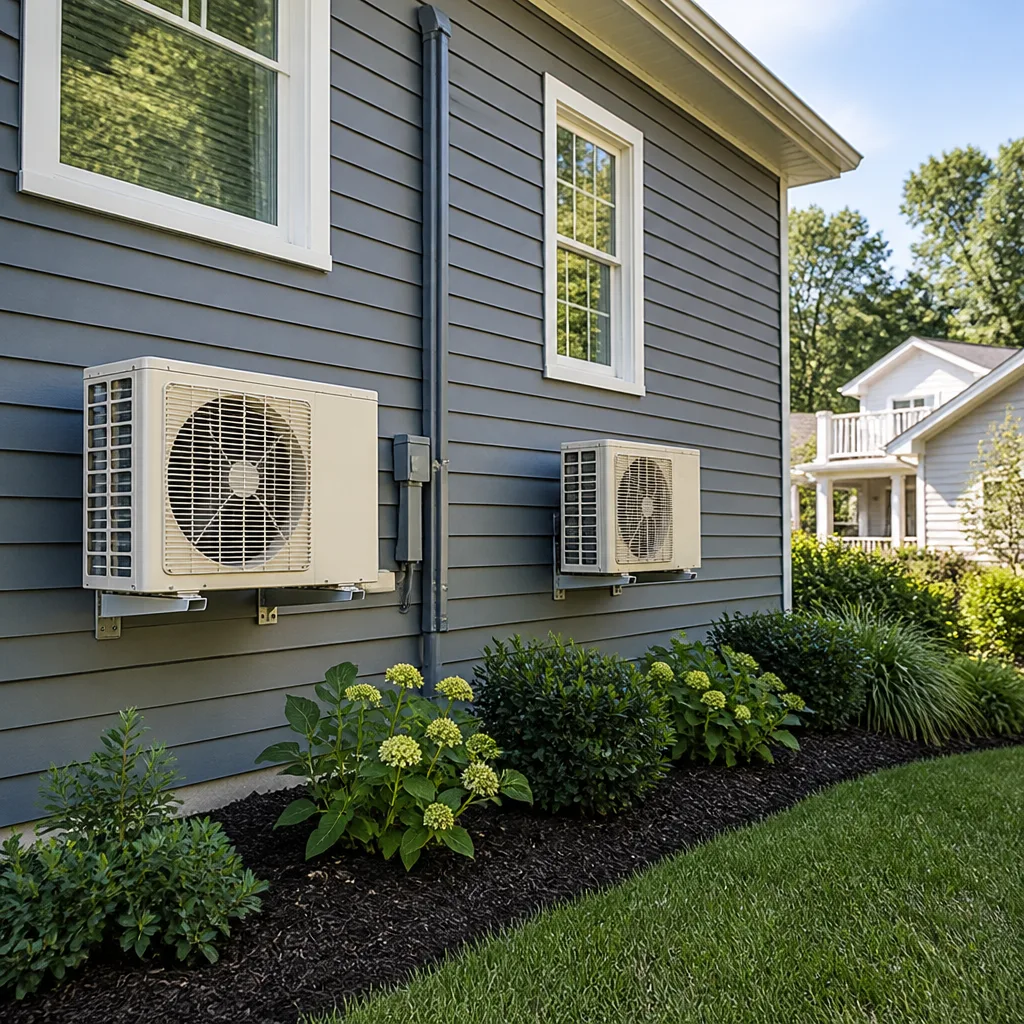 Ductless mini splits
 Carrier
 Trane
Trane Goodman
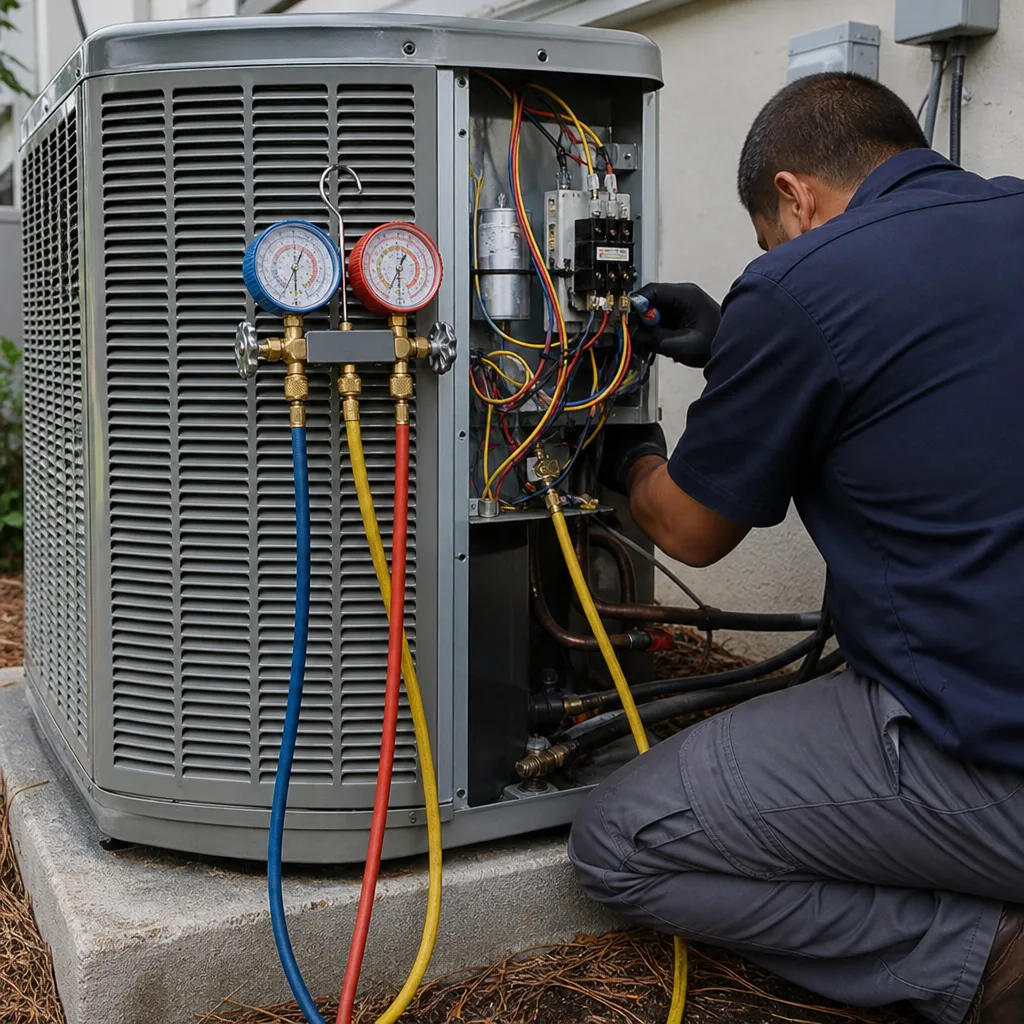
Seasonal tune-up and full diagnostic on your Carrier, Trane, or Goodman system - readings shown to you before any repair is proposed
Diagnosis first, numbers second - you approve the repair price before a single part goes in.
Get your free estimateSeasonal HVAC Care for Jacksonville: Year-Round Homeowner’s Guide
Jacksonville doesn’t actually have four HVAC seasons. We have two intense ones: a cooling season that can run from April through October, and a heating season that shows up for roughly six weeks, usually sometime between December and February. The two windows in between are where the real work happens. Most homeowners in Jacksonville ignore those transition months, which is exactly why emergency calls spike the first week a cold front lands. Our Complete Guide to HVAC in Jacksonville walks you through what to do and when to do it, so your system doesn’t surprise you when Jacksonville’s weather does.
Quick Answer
Jacksonville homeowners should schedule two maintenance visits per year: one in late March or early April before the first sustained 90-degree week, and one in late October or early November before the first real cold snap. Between those visits, there are specific checks you can do yourself-see our AC Repair Maintenance Checklist for Jacksonville Homeowners-including after heavy rains and named storms. The goal is simple: catch small problems before they become repair calls during Jacksonville’s worst weather.
Styles & brands we work with
Table of Contents
- Jacksonville’s Actual Climate Rhythm
- The April Pre-Season Audit
- Summer Cooling Load Management
- Storm Season: What to Check After Heavy Rain
- The October Heat Strip and Reversing Valve Protocol
- The November Outdoor Unit Window
- Humidity Control During Jacksonville’s Mild Months
- Common Mistakes to Avoid
- When to Call a Professional
- Frequently Asked Questions
Jacksonville’s Actual Climate Rhythm
If you’ve lived in Jacksonville for more than a year, you already know the pattern. Spring is short. Summer is long, humid, and relentless. Fall is a rumor that shows up around Thanksgiving. Winter is six weeks of cold snaps punctuated by days that feel like spring. What most homeowners don’t realize is how this rhythm shapes HVAC failure patterns.
We see it every year. Air conditioning systems work hard from April through October, accumulating wear on capacitors, contactors, and compressors. Then the first cold front hits in December, and suddenly the heat strip or reversing valve that hasn’t been touched in nine months is the problem. The component didn’t fail because it was overworked. It failed because it sat idle and unchecked.
Jacksonville’s humidity makes everything worse. Salt air near the beaches, frequent afternoon thunderstorms, and months of 70 percent relative humidity all take a toll on outdoor units, electrical connections, and coils. A unit in Jacksonville ages differently than one in Orlando or Gainesville. It needs a maintenance schedule that accounts for moisture and salt exposure, not just temperature.
Most national HVAC advice assumes a cold winter and a mild summer. That advice doesn’t apply here. A Jacksonville homeowner needs to think about cooling season preparation in February and heating season preparation in October. Miss those windows and you’re playing catch-up when you least want to be.
The April Pre-Season Audit
The first 90-degree day in Jacksonville usually lands sometime in late April or early May. By the time that day arrives, your air conditioner has likely been off or running sporadically for months. That first hard run is when weak capacitors fail, dirty coils restrict airflow, and low refrigerant shows itself as a system that runs constantly but never cools.
Here’s the pre-season audit we recommend every Jacksonville homeowner complete before the first heat wave, in order:
- Change the air filter. A clogged filter makes the system work harder and sets off a cascade of problems. In Jacksonville’s pollen-heavy spring, check it monthly through May. For most 1-inch filters, that means 4 to 6 weeks in a typical Jacksonville home. A 4-inch media filter might go 6 months, but check it at 3.
- Clear the outdoor unit. Remove leaves, pine needles, and debris from around the condenser. Jacksonville’s live oaks drop constantly. Keep at least 18 inches of clearance on all sides. Cut back any shrubs or vines that have grown toward the unit over winter.
- Check the drain line. Jacksonville humidity means the condensate drain runs constantly all summer. Pour a cup of white vinegar down the line to clear algae buildup. If you see water pooling around the indoor unit or the emergency pan is wet, the line is clogged and needs attention before the real humidity arrives.
- Run the system for 30 minutes. Set the thermostat 5 degrees below room temperature. Let it run. Check that air is cold at the vents, the outdoor unit is running, and no unusual noises emerge. Listen for grinding, squealing, or banging. Feel the air at the vents. It should be around 15 to 20 degrees cooler than the return air, not lukewarm.
- Check suction line temperature. The larger copper line at the outdoor unit should feel cold and sweaty when running. If it’s warm or room temperature, that’s a refrigerant problem, not a filter problem.
This audit takes about 45 minutes and costs nothing. Skipping it is how you end up calling for AC repair in Jacksonville on the first 95-degree Saturday in June, when every HVAC company in Duval County is booked out for days. We’d rather you not be the person sweating in a hot house with a toddler and a dog while you wait for a technician.
Summer Cooling Load Management
Jacksonville summers push air conditioners to their limits. The AC isn’t just fighting heat. It’s fighting humidity, which is the harder battle and the one that actually determines comfort. A system can hold 75 degrees but feel unbearable if relative humidity is above 60 percent.
The most common summer failures we encounter in Jacksonville are not dramatic compressor explosions. They’re incremental: a capacitor that weakens and causes the compressor to overheat, a contactor that welds itself closed, a coil that gradually loses its ability to exchange heat because it’s caked with cottonwood and oak pollen. Each of these failures begins weeks before the system actually stops.
During the hottest months, pay attention to these warning signs:
- Longer run times. If the system used to cool the house in 20-minute cycles and now runs for an hour without reaching the setpoint, something has changed. It could be low refrigerant, a dirty coil, or a failing compressor. None of these fix themselves.
- Short cycling. The opposite problem: the system turns on, runs for 5 minutes, shuts off, then repeats. This is often a sign of an oversized unit, but in an existing system it usually means a failing thermostat, dirty condenser, or overheating compressor. Short cycling doubles your electric bill and kills the compressor early.
- Ice on the copper line. If you see frost or ice on the line set at the outdoor unit, turn the system off immediately and call for service. Ice means the coil is starved of airflow or refrigerant. Running it in that state damages the compressor. This repair is guaranteed for 365 days under our Done Right Promise when we complete it.
- Warm air at the vents. If the system runs but the air feels warm, go outside and check if the outdoor unit’s fan is spinning. If the fan is running but the air is warm, you likely have a refrigerant leak or a failed compressor. If the fan is not running, the capacitor or fan motor may be out.
Jacksonville’s utility bills in July and August can hit $250 to $400 for a typical 2,000-square-foot home. A system with a dirty condenser coil uses 15 to 30 percent more electricity than a clean one. That’s real money. One professional AC maintenance visit in Jacksonville before summer typically pays for itself in reduced electric bills within two or three months.
If your system is more than 10 years old and isn’t keeping up, a full system replacement may be the honest recommendation. We service all major residential brands including Rheem, Goodman, and York, and we’ll always give you a written price before any work starts, so you can decide with real numbers in front of you.
Storm Season: What to Check After Heavy Rain
Jacksonville gets real rain. Afternoon thunderstorms in summer can drop two inches in an hour. Tropical systems can dump much more. When water accumulates around your HVAC equipment, it doesn’t just drain away harmlessly. It finds its way into places it shouldn’t be.
The air handler in many Jacksonville homes sits in the garage or a utility closet. After heavy rain, water can wick through the slab, soak the platform under the air handler, and climb into the cabinet. Once moisture gets inside the air handler cabinet, mold follows. Fast. In Jacksonville’s warm, humid air, mold growth inside a damp air handler can start within 48 hours.
After any named storm or multi-day rain event, do this:
- Visually inspect the air handler cabinet. Look for water staining on the exterior, rust on the cabinet seams, or swelling of the insulation. Inside, look for dark spots on the coil or blower housing. That’s mold starting. It will smell musty when the system runs.
- Check the emergency pan under the unit. If there’s standing water, the primary drain line is clogged or the pan itself has rusted through. Don’t just empty the pan and move on. The standing water means the system has a problem that will repeat.
- Inspect the outdoor unit pad. Heavy rain can wash soil out from under the concrete pad, leaving the condenser tilted. A tilted unit stresses the compressor and can eventually starve it of oil. The pad should be level. If it’s not, it needs to be corrected before summer.
- Look for debris packed against the outdoor coil. Floodwater carries leaves, grass, and silt that can clog the bottom of the coil. Clean coils exchange heat. Clogged coils don’t. This is the number one cause of premature compressor failure we see in Jacksonville after heavy rains.
If you smell something musty when the AC runs or you see water where it shouldn’t be, don’t wait. The problem compounds. Call Brandt HVAC Co Jacksonville home at (904) 456-0205 and we’ll send a technician who arrives with a name, a photo, and a badge you can verify before the door opens.
The October Heat Strip and Reversing Valve Protocol
Most Jacksonville homes use heat pumps. If your outdoor unit runs in the winter and the air at the vents is warm, you have a heat pump. Heat pumps have two components that sit unused for most of the year: the reversing valve, which switches the system from cooling to heating mode, and the heat strips, which provide backup heat when the heat pump alone can’t keep up on cold mornings.
Here’s the problem. Those components sit dormant for nine months. Then Jacksonville gets a cold snap. The first time most homeowners realize their heat strips have failed is 6 a.m. on a 30-degree morning when the house won’t warm up and the system is blowing cold air. Emergency service calls spike every year in the second or third week of December for exactly this reason.
The fix is simple. In October, before you actually need heat:
- Switch the thermostat to heat mode. Set it 3 to 5 degrees above room temperature. Let the system run for 15 minutes. The air at the vents should be noticeably warm, usually 85 to 100 degrees when it comes out of the register.
- Listen for the reversing valve. When you switch from cool to heat, you should hear a whoosh or clunk from the outdoor unit. That’s the reversing valve shifting. It should happen once, cleanly. If you hear chattering or nothing happens, the valve is stuck.
- Test the heat strips. This is the step most people skip. Set the thermostat 3 degrees above room temperature, then wait. If the outdoor unit is running but the air feels lukewarm, the heat pump is doing its job. Then bump the thermostat up another 3 to 4 degrees. The system should kick on the electric heat strips for a boost. You’ll feel air that’s noticeably hotter, and the outdoor unit may slow or stop while the strips handle the load. If you raise the thermostat and the air stays lukewarm, your heat strips are dead.
- Check for burning smells. The first time the heat strips cycle on after months of sitting idle, it’s normal to smell a faint burning dust smell for a few minutes. If the smell persists beyond 10 minutes or smells like plastic or electrical burning, shut it down and call a professional. A failed sequencer can leave a heat strip stuck on, which is a real fire hazard.
Heat strip replacement in Jacksonville typically runs $150 to $350 depending on the brand and the number of elements. A reversing valve replacement is a more involved repair, usually $500 to $850, because it requires recovering and recharging the refrigerant. We’ll give you a written price before any work starts, so you’re never surprised by the bill.
The November Outdoor Unit Window
There’s a sweet spot in Jacksonville around early November. Hurricane season officially ends November 30. The air is cooler. The humidity has dropped. The evenings are pleasant. And your outdoor condenser unit is about to sit mostly idle for four to six months.
This is the best time of year to address outdoor unit issues. Not because the unit needs it more in November, but because you have time. A technician can spend an hour on the unit without burning their hands on a 140-degree coil. You can order parts without an emergency surcharge. And if the unit needs to be shut down for a repair, you won’t lose cooling during a Jacksonville summer.
What to inspect in November:
- Refrigerant line insulation. The larger copper line from the outdoor unit to the house should be fully covered by the black foam insulation. Over time, Jacksonville sun rots that insulation and leaves bare copper exposed. It should be replaced before summer. Exposed line means lost efficiency and condensation dripping where it shouldn’t.
- Electrical connections. The disconnect box near the outdoor unit gets hammered by Jacksonville humidity. Connections corrode, wires loosen, and eventually the unit won’t start. A technician can inspect and tighten those connections in 20 minutes. A corroded connection that fails in July is a four-day wait for a part.
- Pad levelness. We mentioned this in the storm section, but it bears repeating. A tilted pad stresses the compressor. November is the time to fix it, when the ground is dry and the unit can be safely moved and re-leveled.
- Coil condition. After a full summer of cottonwood, grass clippings, and salt air, the coil needs a proper cleaning. Not a hose from ten feet away. A real cleaning that removes the debris packed into the lower third of the coil, where most of it collects. A clean coil extends compressor life by years.
This maintenance window is also why we see fewer emergency calls from homeowners who schedule their furnace repair in Jacksonville or heat pump service before December. The work gets done on a Tuesday afternoon in November instead of a Sunday night in January.
Humidity Control During Jacksonville’s Mild Months
Jacksonville has stretches in March, April, October, and November where the temperature is comfortable but the humidity is not. The air outside is 70 degrees and 80 percent relative humidity. You’re not running the AC, because it’s not hot. You’re not running the heat, because it’s not cold. But inside, the air feels sticky and the house smells a little musty.
This is one of the most overlooked HVAC problems in Jacksonville. Most systems only dehumidify when the AC is running. When the thermostat is satisfied and the compressor cycles off, the dehumidification stops. That’s fine in July, when the system runs constantly. It’s a problem in November, when the system runs for five minutes every hour and the humidity builds up in between.
Here’s how to manage it:
- Target 45 to 55 percent relative humidity indoors. Below 45 percent, air feels dry and static electricity builds. Above 55 percent, mold becomes a real risk and dust mites thrive. Jacksonville’s outdoor humidity will fight you on this all year. A $15 hygrometer from any hardware store gives you a real number to work with, instead of guessing by feel.
- Run the fan on Auto, not On. Every HVAC technician in Jacksonville has told a homeowner to set the fan to On to “circulate air.” That’s bad advice for our climate. When the fan runs constantly with the compressor off, it blows air across a wet coil and pushes that moisture right back into the house. Set it to Auto.
- Use a dehumidifier during shoulder months. A standalone dehumidifier in a problem area, like a garage, bonus room, or interior bedroom, can do what a short-cycling AC can’t. For a more permanent solution, consider a whole-house dehumidifier that ties into the existing ductwork. It costs roughly $1,800 to $3,200 installed in Jacksonville and solves the problem year-round.
- Check the AC’s dehumidification setting, if it has one. Many modern thermostats and communicating systems have a “dehumidify” or “dry” mode that runs the compressor at low speed specifically to pull moisture. If your system has it, use it during the mild months.
Humidity control isn’t a luxury in Jacksonville. It’s the difference between a house that feels like a home and a house that always smells faintly of mildew. It also protects your furniture, your flooring, and your health. Mold doesn’t care if the thermostat says 72 degrees. It cares about moisture.
Common Mistakes to Avoid
- Ignoring the transition windows. Waiting until the first hot day to check the AC or the first cold day to check the heat is how you end up in a queue for service while uncomfortable. The work should happen weeks before you need the system at full capacity.
- Running the fan on “On” all year. We covered this above, but it’s worth repeating because we see it constantly in Jacksonville. Fan On mode re-humidifies the house and drives up your electric bill. Auto is the correct setting in this climate.
- Using a too-restrictive filter. Those high-MERV allergen filters sound great, but they choke airflow in most residential systems. A MERV 8 pleated filter is the right choice for most Jacksonville homes. Higher isn’t better if it makes your blower motor work harder and your coil freeze.
- Closing vents to unused rooms. It feels like you’re saving energy, but you’re actually increasing static pressure in the ductwork and making the system work harder. It can also freeze the coil. Leave vents open and use the thermostat instead.
- Skipping the post-storm check. A little water in the air handler cabinet today becomes a mold problem next month. Check after every significant rain event. It takes five minutes and can prevent a $1,500 mold remediation bill.
- Relying on the thermostat to tell you something’s wrong. By the time the thermostat shows an error code or the house won’t cool, the failure has already happened. The warning signs were there weeks earlier. Watch for longer run times, unusual sounds, and water where it shouldn’t be.
- Putting off a repair because the air is “fine.” A bad capacitor or a low refrigerant charge doesn’t always stop the system immediately. It makes the compressor work harder and hotter until it dies. A $200 repair in April is always cheaper than a $1,800 compressor replacement in August.
When to Call a Professional
Some things you can do yourself. Change the filter, clear the drain line, inspect the pad, run the system and listen. Other things require training and equipment, and our DIY vs Professional HVAC guide can help you decide which is which. If you see ice on the copper lines, hear a grinding or banging noise, smell electrical burning, or find water inside the air handler cabinet, stop what you’re doing and call a professional. Refrigerant handling requires EPA certification. Electrical work on a condensing unit can be dangerous. High-voltage components and spinning condenser blades are not a Saturday project.
If the system isn’t keeping up, if your electric bill jumps 30 percent with no obvious explanation, or if the unit is more than 12 years old and needs a repair that costs more than half the price of a new system, have a professional look at it. Brandt HVAC Co Jacksonville offers free estimates in Jacksonville. Call (904) 456-0205 and a live person answers, day or night.
Frequently Asked Questions
Twice per year: once in spring before cooling season and once in fall before heating season. Jacksonville’s climate puts more wear on the cooling side than the heating side, but both visits matter. Skipping maintenance is how a $150 capacitor becomes a $1,500 compressor failure.
Most Jacksonville HVAC companies charge $89 to $180 for a seasonal tune-up visit. A more comprehensive maintenance plan that includes priority scheduling and discounts on repairs typically runs $150 to $350 per year. Every job we do starts with a written price before any work begins, so the number on the paper is the number on the invoice.
This is most often caused by low refrigerant, a dirty condenser coil, or an undersized system. Low refrigerant means a leak somewhere that needs to be found and repaired, not just topped off. A dirty coil can be cleaned. An undersized system is the hardest fix, but a proper load calculation will tell you what size you actually need.
Yes, if you have a heat pump or furnace, the heating components sit dormant for most of the year. That’s when corrosion, insect nests, and component failures happen. The October test we described in this guide takes 20 minutes and can save you from a cold house on the one week you actually need heat.
Shoot for 45 to 55 percent relative humidity. Below that feels dry and static-y. Above that, mold becomes a risk. If your home consistently sits above 60 percent during the shoulder months, a whole-house dehumidifier or a system with a proper dehumidification mode is worth considering.
Rain alone usually won’t damage a properly installed condenser. The bigger risks are flooding that submerges the unit, shifting soil that tilts the pad, and debris that clogs the coil. After any major rain event in Jacksonville, do a visual check for standing water, tilt, and debris. If the unit was submerged, don’t run it until a professional has inspected it. Call (904) 456-0205 for a free estimate.
The Bottom Line
Jacksonville’s climate punishes HVAC systems that get ignored. The heat and humidity of summer, the salt air, the storms, and the sudden cold snaps all take their toll, but the timing matters. The work you do in April and November, in those transition weeks before Jacksonville’s extreme weather arrives, is what keeps your system running reliably when it matters most. The system that fails in July or December usually showed warning signs months earlier. Learn to see them, act on them, and you’ll spend less on repairs, less on electricity, and never sit through a Jacksonville summer night without air conditioning. For more guides & resources, visit our blog.
Written by Devin Marlowe, Owner at Brandt HVAC Co Jacksonville, serving Jacksonville since 2003.
See the difference
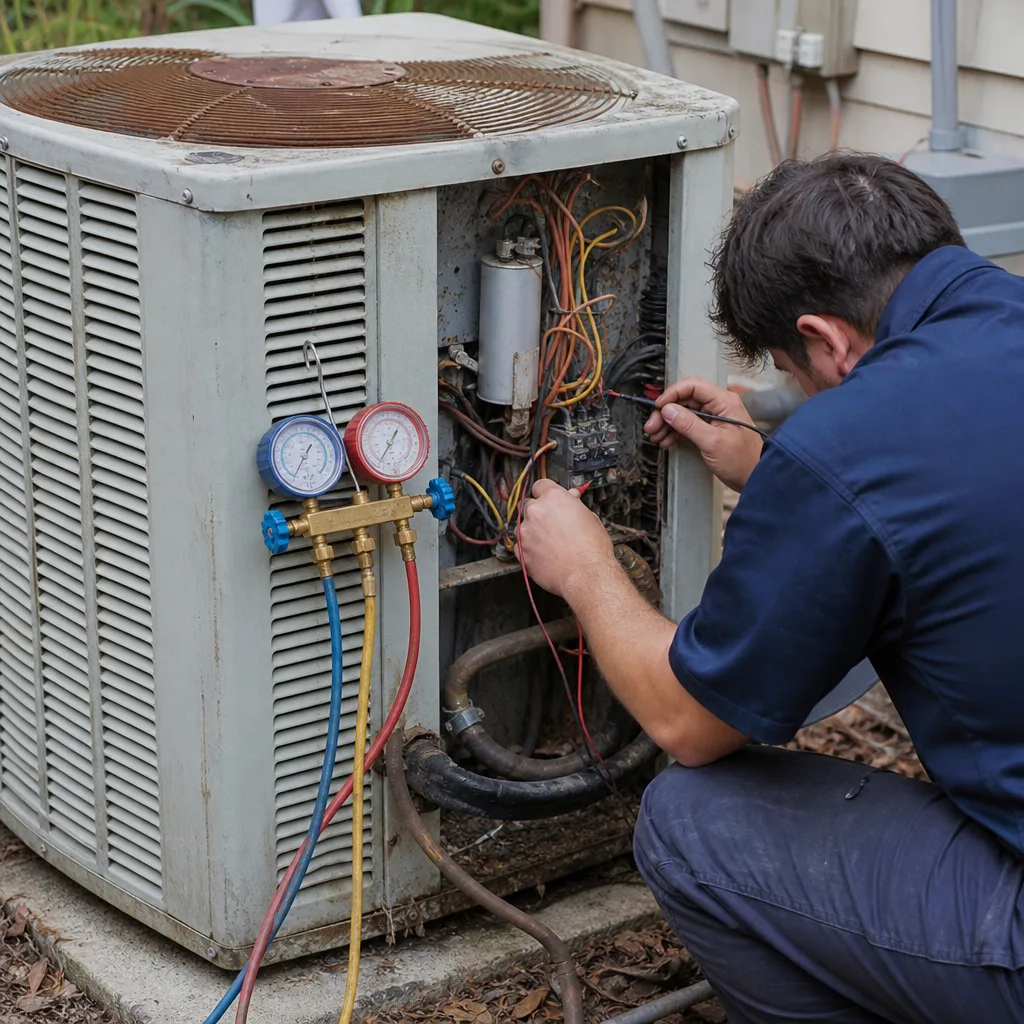 Before
 After
After Before
 After
After Before
 After
After