
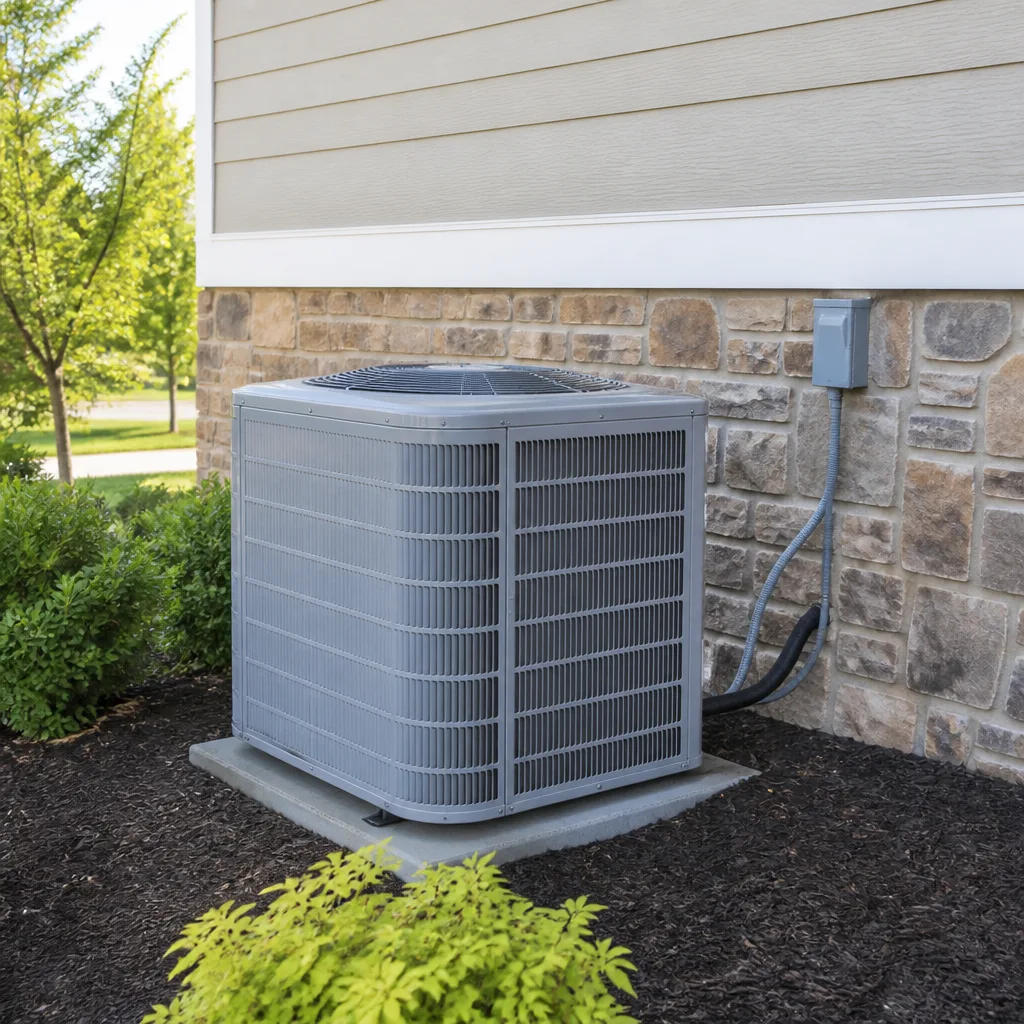
 Carrier
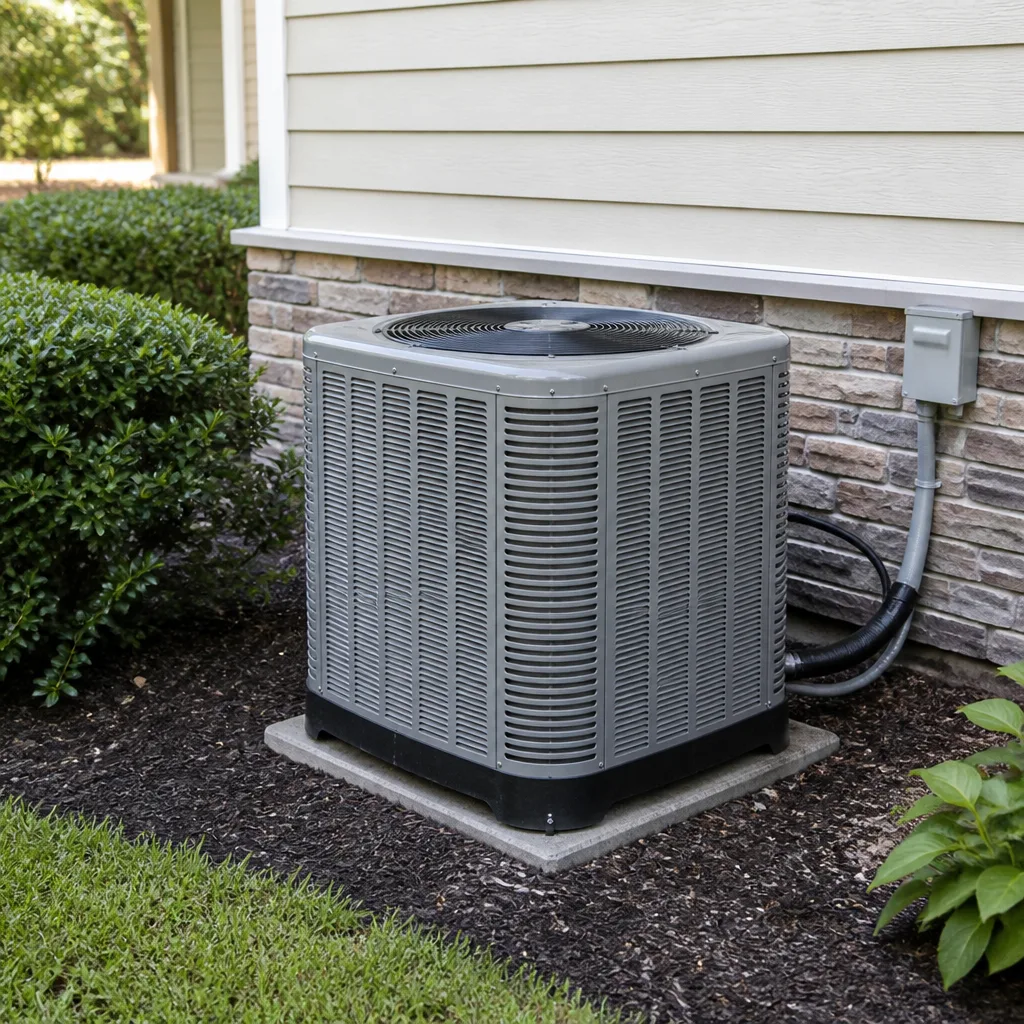 AC repair
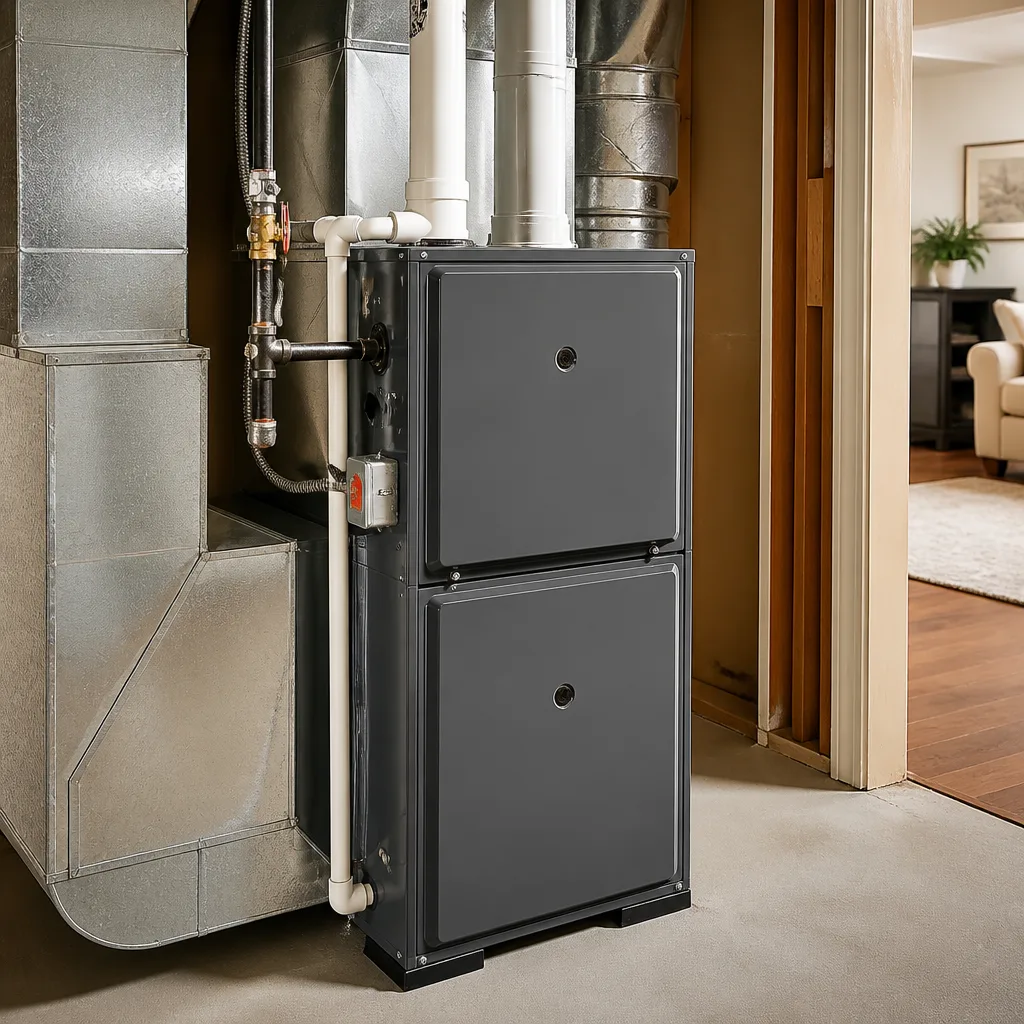 Furnace & heating
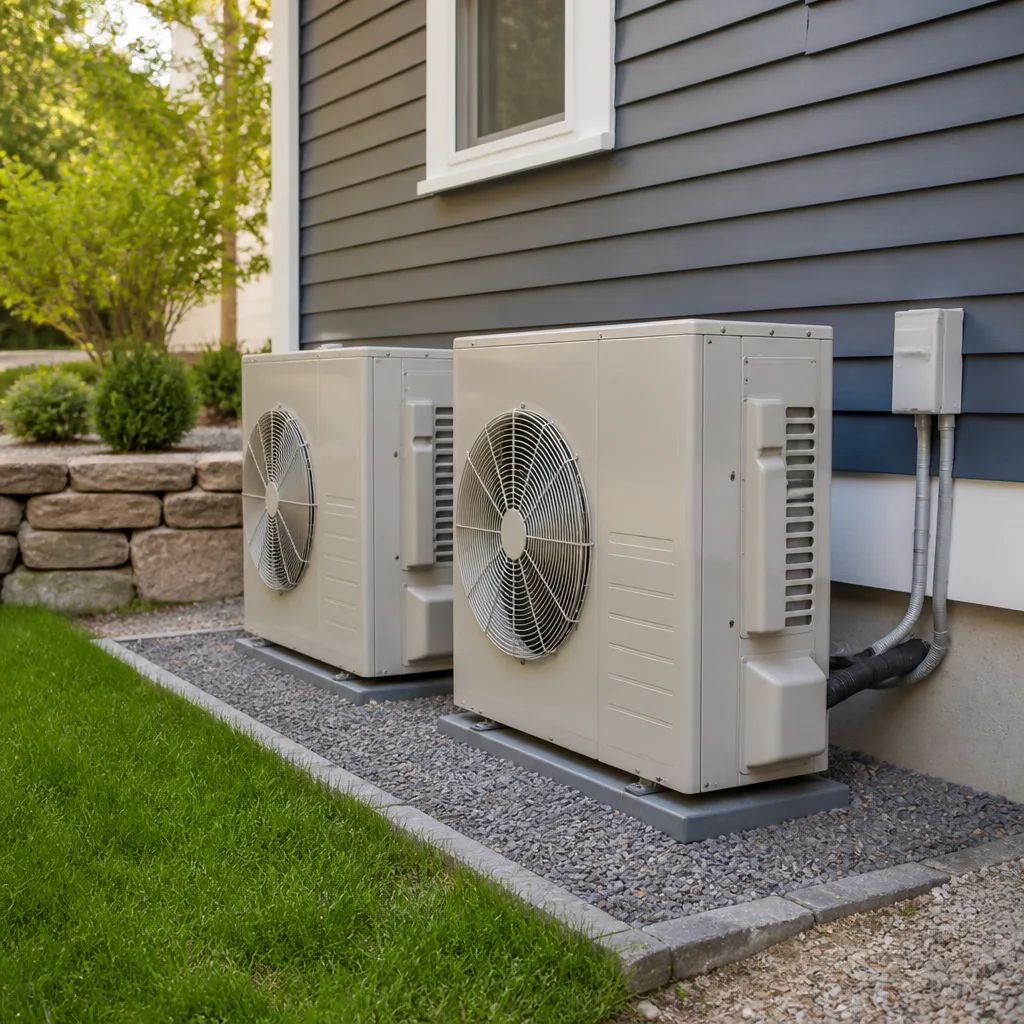 Heat pumps
 Ductless mini splits
 Trane
Trane Goodman
Seasonal tune-up and full diagnostic on your Carrier, Trane, or Goodman system - readings shown to you before any repair is proposed
Diagnosis first, numbers second - you approve the repair price before a single part goes in.
Get your free estimateCarrier Capacitor Replacement: The Jacksonville Owner’s Guide
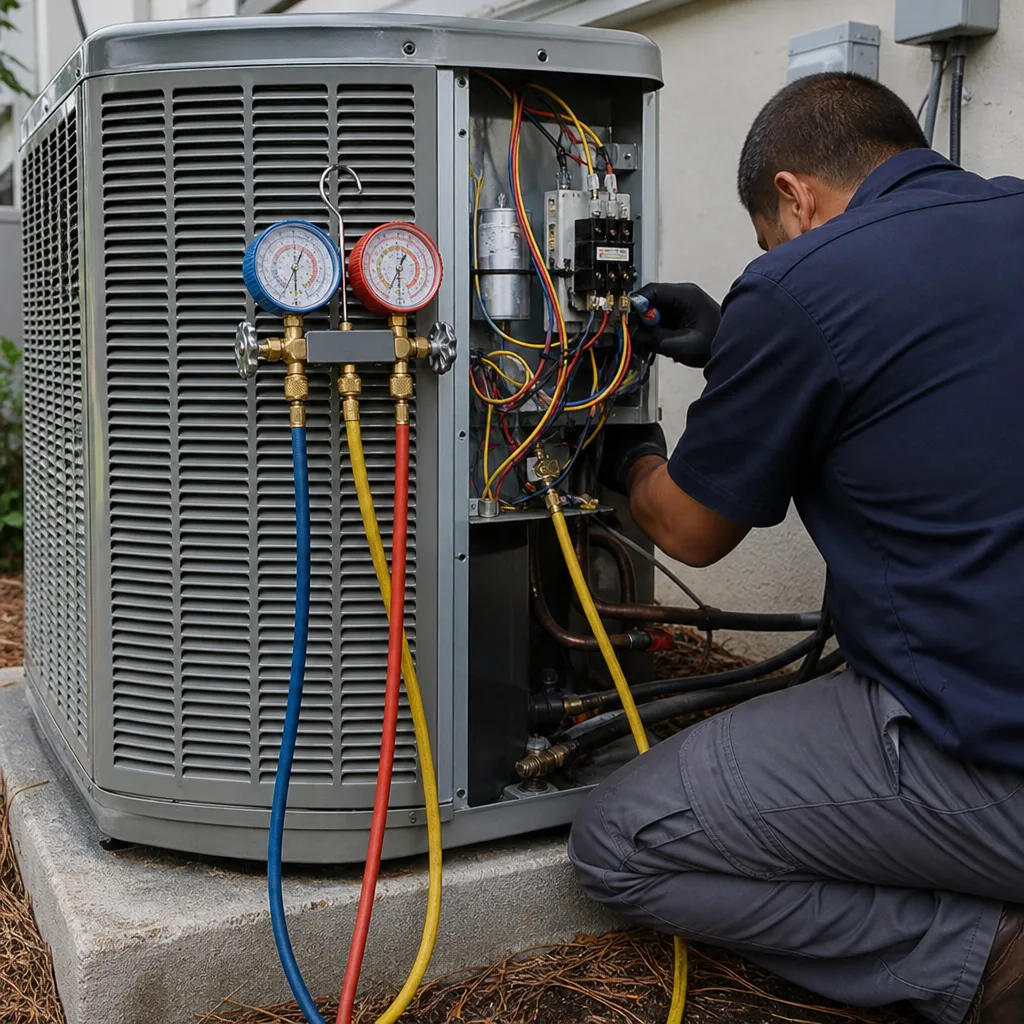
Carrier capacitor replacement in Jacksonville typically runs $150 to $350 installed, parts and labor included, and our trucks carry the common Carrier-compatible capacitors so we can often complete the swap the same day we diagnose it. Most Jacksonville homeowners find out their capacitor failed when the AC hums outside but won’t start, or the compressor kicks on for 30 seconds and then shuts down. In Florida heat, that capacitor takes a beating, especially during July and August when your unit runs 14-plus hours a day. The capacitor is the part that gives the compressor and fan motor the electrical jolt they need to start turning. When it weakens, the whole system stalls, and your house starts warming up fast.
We’re an independent service provider, not a Carrier factory dealer, which means we can choose the best-match part for your system rather than being tied to a single supply line. Devin Marlowe has been turning wrenches on Carrier equipment long enough to know which capacitor brands hold up in Jacksonville humidity and which ones don’t. When you call, we’ll identify your exact Carrier model, match the capacitor’s microfarad rating and voltage spec, and give you a written price before we touch a screw.
Which Carrier Models This Applies To
Most Carrier residential condensing units built in the last 20 years use a dual-run capacitor, which means one cylinder-shaped part handles both the compressor and the outdoor fan motor. The models we see most often on Jacksonville service calls include the Carrier Comfort series, Performance series, and Infinity series, along with older 38CK and 38BR units that are still running in plenty of Arlington and Mandarin homes. The capacitor itself is a metal or plastic cylinder with two or three terminal spades on top. The label tells you what matters: the microfarad rating, written as something like 45/5 µF, and the voltage rating, usually 370 or 440 VAC.
Here’s the compatibility gotcha most owners don’t know: a capacitor with a higher voltage rating than your original is fine, as long as the microfarad rating matches. So a 440 VAC capacitor will work in a system that came with a 370 VAC part. It won’t work the other direction. The microfarad number, though, has to land within about 5% of the original spec. Too far off and the compressor runs hot, pulls more current, and shortens its life. That’s the sort of mistake a parts-store guess makes and a good technician catches on sight. For Carrier specifically, OEM capacitors are made by reliable suppliers, but a quality aftermarket equivalent from brands like AmRad or Titan that meet or exceed Carrier’s printed spec will perform every bit as well and usually cost less. We’re honest about which one makes sense for your system’s age and warranty status.
Brandt HVAC Co Jacksonville also keeps common capacitors for Trane and Lennox systems on the truck, so if your neighbor ends up needing one too, we can usually help the same afternoon.
Styles & brands we work with
Signs Your Carrier Capacitor Replacement Is Failing
- The outdoor unit hums but the fan does not spin. The capacitor has lost the stored charge needed to start the motor. You should shut the system off at the thermostat and breaker until it’s diagnosed. Running it in this condition can burn out the motor, which turns a $200 fix into a $500-plus motor replacement.
- The compressor starts, runs a few seconds, and cuts out. A weak capacitor can’t maintain the phase shift the compressor needs. That quick cycling builds heat in the compressor shell, and repeated short runs are harder on the unit than just running continuously.
- Your summer electric bill spikes without a hotter-than-usual month. A failing capacitor makes the compressor draw more current trying to start and stay running. If your bill jumped $40 or more with no obvious reason, the capacitor is a common culprit.
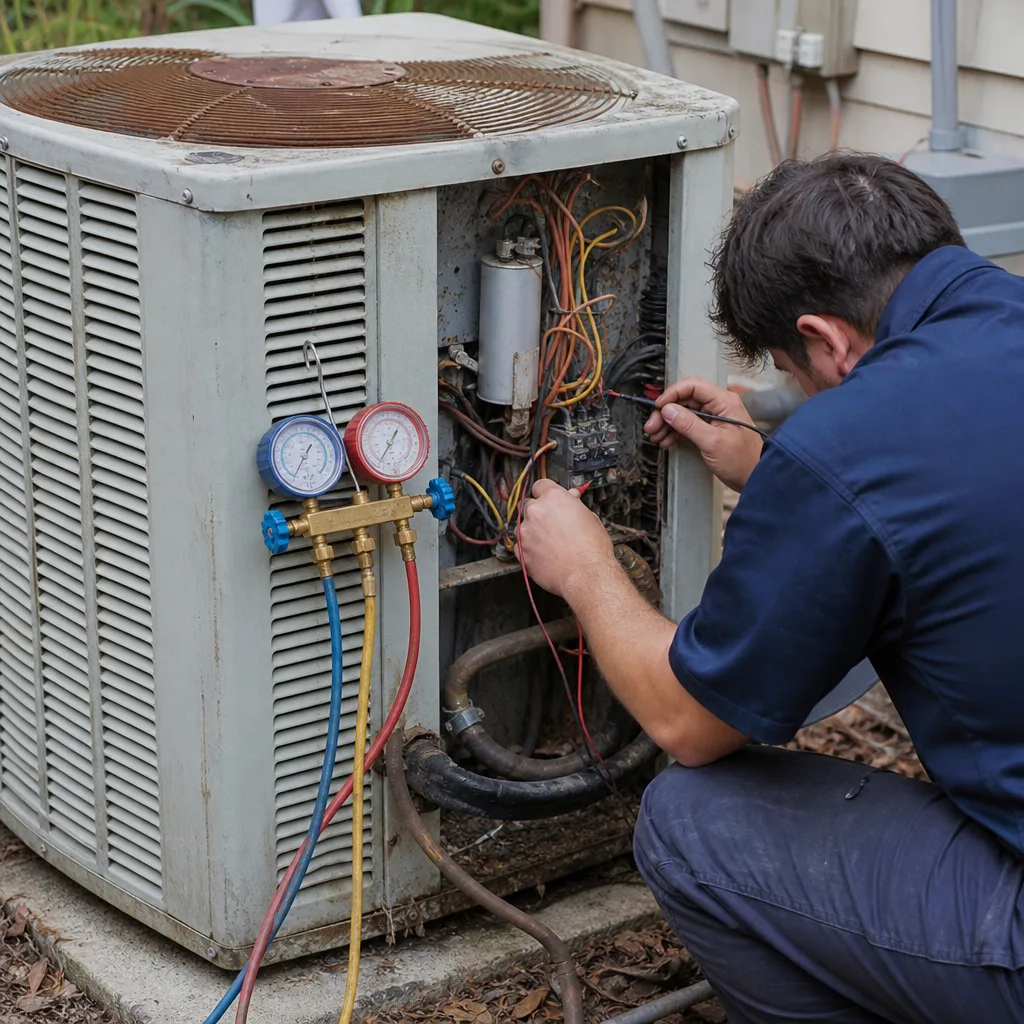
- The capacitor itself looks swollen, rusted, or is leaking oil. Inside the metal can is a dielectric fluid. When the capacitor overheats internally, the can bulges or splits at the seam. Any visible bulging means the part is done, even if the unit is still limping along.
- The AC was fine last fall and dead on the first hot day of spring. Capacitors degrade over winter, especially in Jacksonville garages and closets where humidity works on the terminals. The first 90-degree day is when thousands of weak capacitors finally fail.
See the difference
 Before
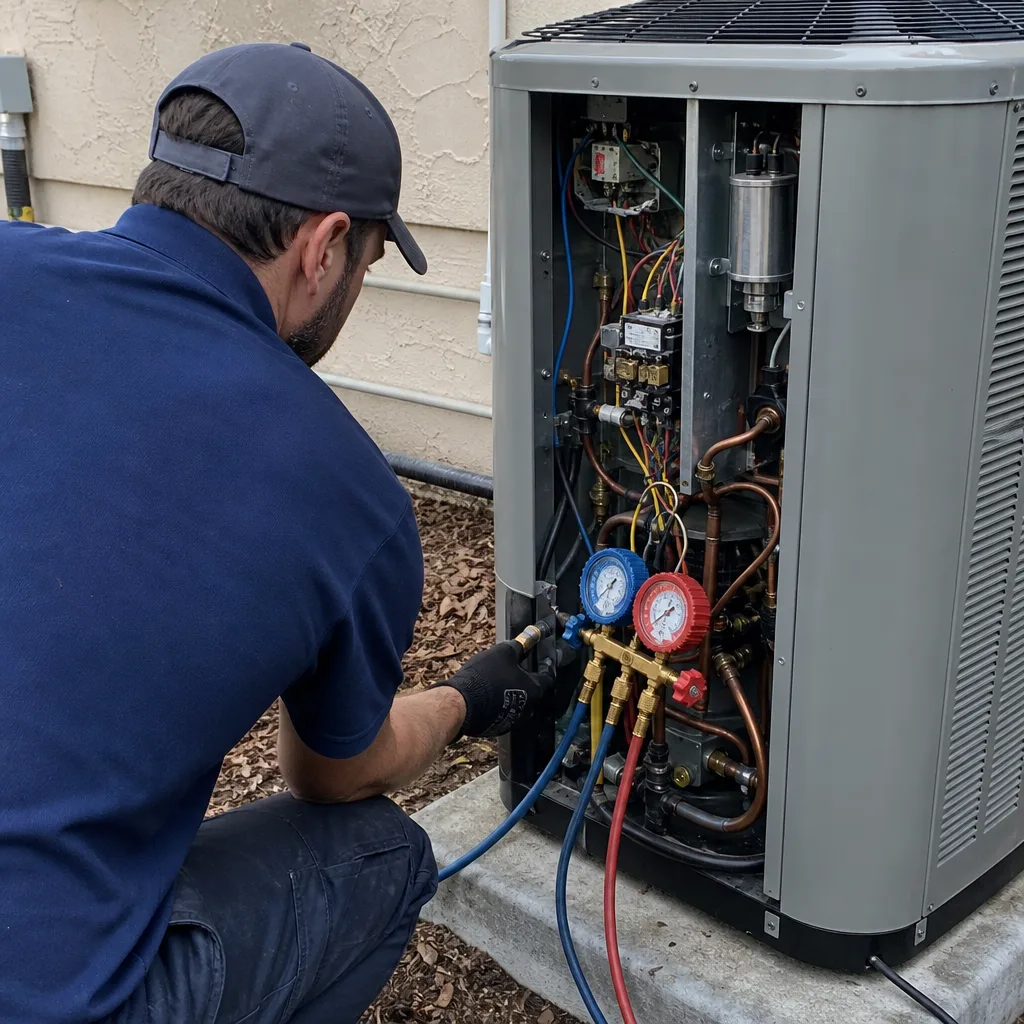 After
After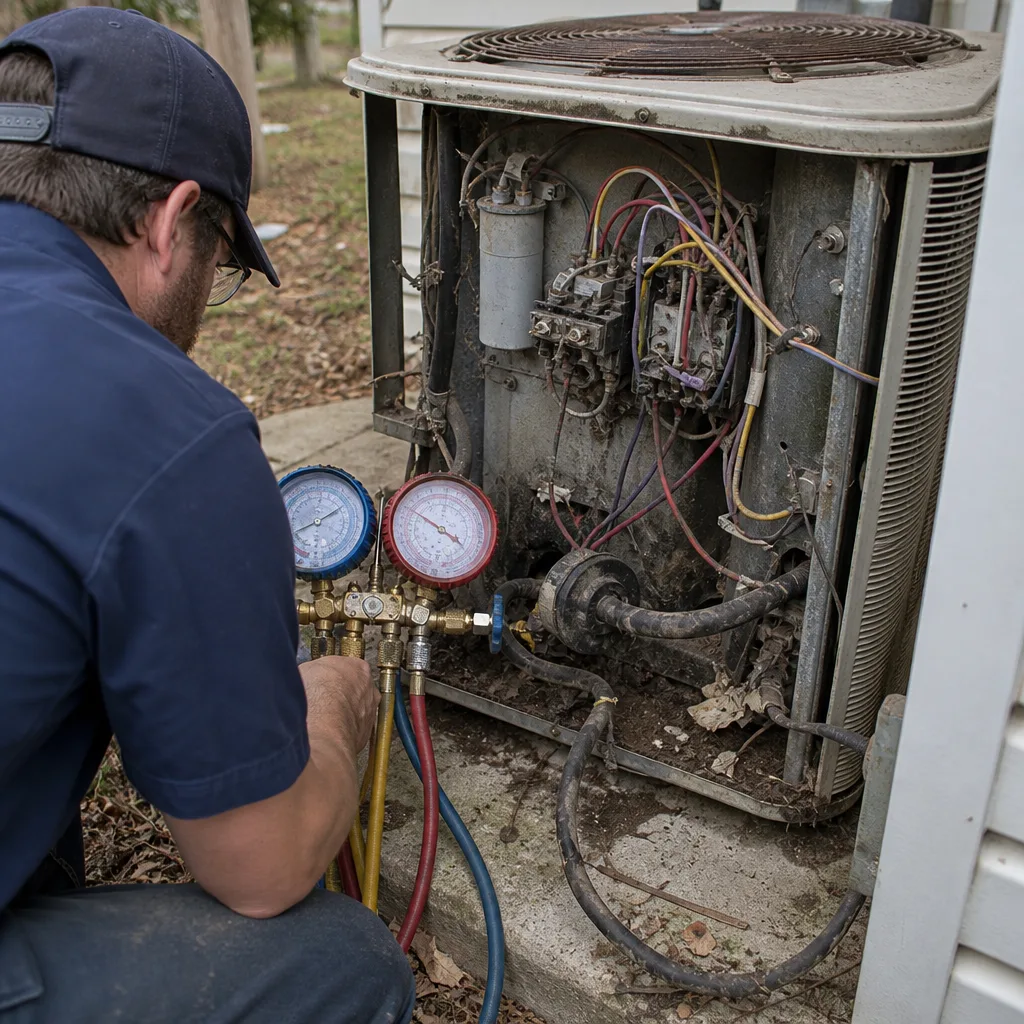 Before
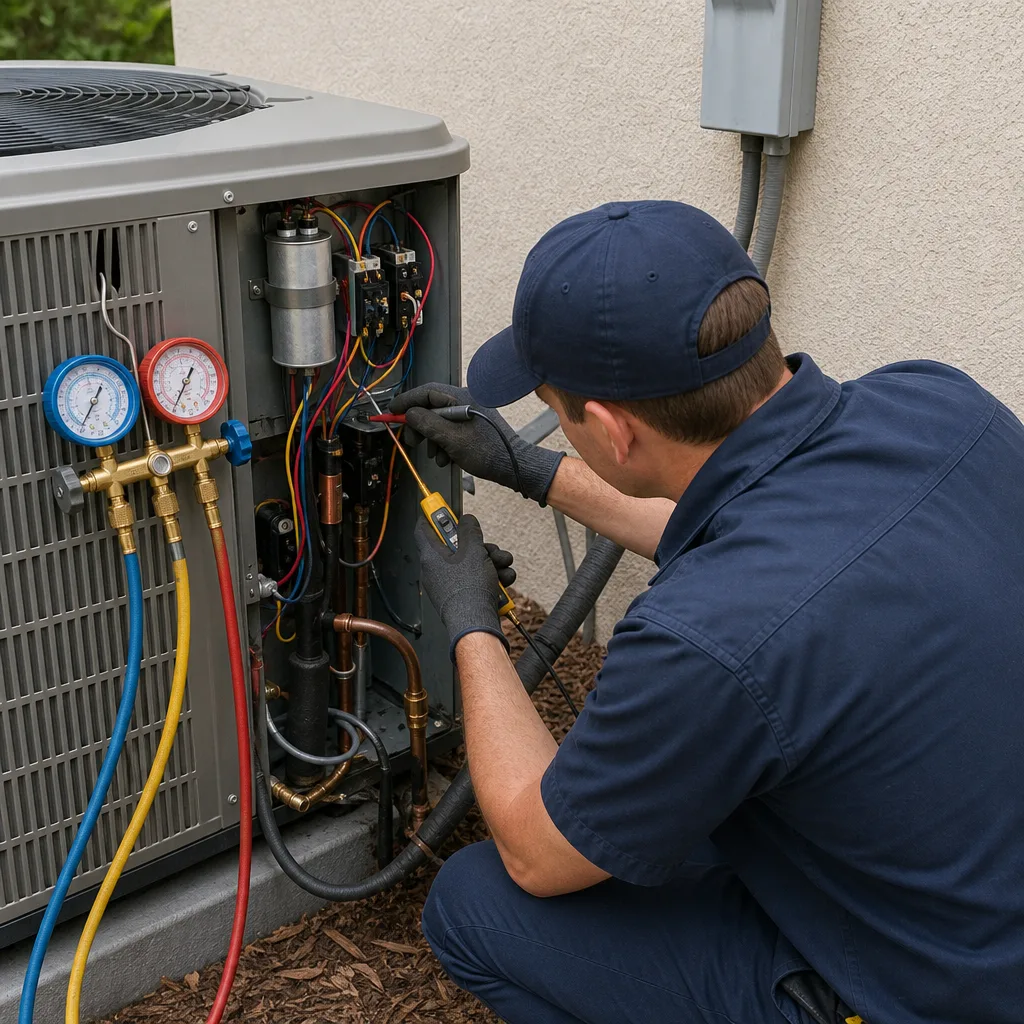 After
After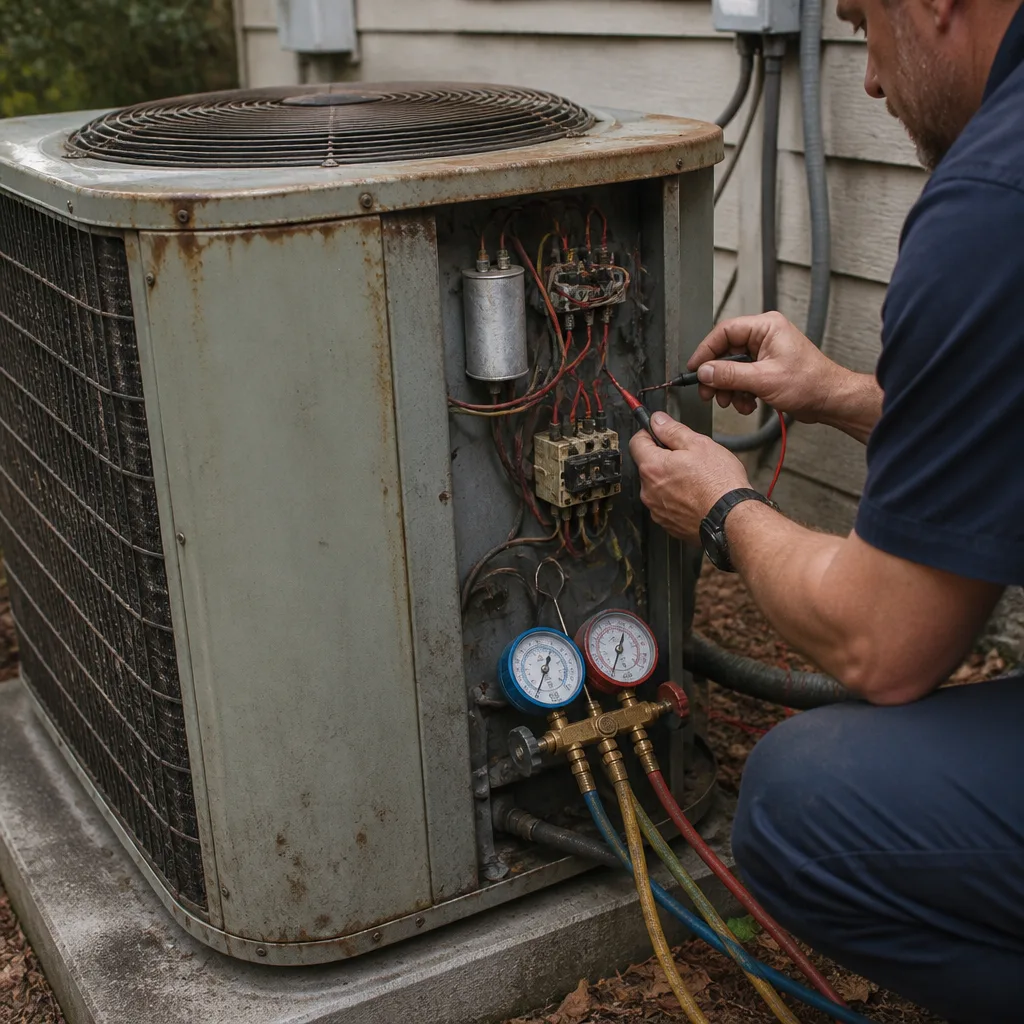 Before
 After
AfterReplacement Cost & What’s Included
A Carrier capacitor replacement in Jacksonville usually lands between $150 and $350, parts and labor included. The spread depends on whether your unit takes a simple single-run capacitor or a dual-run cap with a higher microfarad spec, whether it’s an OEM Carrier part or a quality aftermarket equivalent, and how difficult the access is. Units tucked into tight side yards or behind bushes take a little longer to work on. Units with easy side access are on the low end. You’ll always get a written price before any work starts. That’s not negotiable at our shop. The repair itself includes the new capacitor, installation, terminal cleaning, a microfarad check under load, and a start-up test. Every capacitor replacement carries our 365-Day Done Right Promise in writing: if that repair fails within a year, we come back and make it right at no charge. No argument, no second invoice.
One thing worth saying plainly: you won’t get a surprise upcharge for the diagnosis. The price we write down covers everything. If we find something else wrong, we’ll tell you what it is, what it costs, and you decide.
DIY or Call Us?
We’re not going to tell you that you can’t open the panel and look at a capacitor. You can, and the visual check is straightforward. But the capacitor itself stores electrical charge even with the unit shut off, and if you touch the wrong terminal or discharge it incorrectly, you can get a serious shock. A capacitor that just came out of a running system can hold hundreds of volts. We’ve seen homeowners get knocked back and worse trying to save a couple hundred dollars. Beyond the shock risk, there’s the wiring order. Carrier units wire the compressor, fan, and common terminals in a specific configuration. Reversing the fan and compressor leads will not just fail to fix the problem, it can damage the new capacitor and the compressor. Our honest recommendation: if the visual check shows a swollen or leaking capacitor, that’s useful information for the phone call. If you don’t see anything obvious, still call. Weak capacitors often look perfect on the outside. Call (904) 456-0205 and we’ll diagnose it properly with a meter instead of by eyeball.
FAQs
In Jacksonville’s heat and humidity, we typically see Carrier capacitors last 7 to 12 years, though units that run hard through long summers can eat one in as little as 5. The original capacitor that ships with a new unit usually outlasts the first replacement, because once the electrical wear starts, the replacements work under the same hot conditions. A 2021 Carrier performance series unit in direct afternoon sun on a shadeless Mandarin lot will age a capacitor faster than a shaded Atlantic Beach installation. If your unit is past the 8-year mark and acting up on start-up, the capacitor is the first thing we check. Call (904) 456-0205 and we’ll test yours.
No. A capacitor is a sealed component. Once the internal dielectric degrades, it can’t be rebuilt or recharged. Any shop claiming to repair one is not doing you a favor. The only correct fix is a new capacitor that matches your Carrier unit’s microfarad and voltage rating. We carry the right ones on the truck and the replacement itself is a fast job.
Once we’re at your home, the swap itself typically takes 20 to 45 minutes. A straightforward dual-run capacitor replacement on a standard Carrier condensing unit with normal access is on the short end. If the unit sits in a tight enclosure or the terminals need cleaning and the old spade connectors need replacement, add a little time. From the moment we arrive to the moment we hand you the written invoice, most Jacksonville capacitor calls are finished within the hour. If you call early, we can usually get to you same day.
Yes. Our service trucks carry a range of common Carrier-compatible capacitors, including the 35/5, 40/5, 45/5, and 50/5 microfarad dual-run ratings that cover most Carrier residential condensing units in Jacksonville. If your unit needs a less common spec, we can source it quickly from our local suppliers. We also keep Trane and Lennox capacitors on hand for good measure. When we arrive, we verify the exact spec printed on your existing capacitor before we install anything.
If your Carrier AC is humming and not starting, or you suspect the capacitor is on its way out, call (904) 456-0205. We’ll identify the part, match the spec, and give you a written price before any work begins. Know what it is, know what it costs, know it’s covered, that’s the whole deal.
Written by Devin Marlowe, Owner, Brandt HVAC Co Jacksonville at Brandt HVAC Co Jacksonville, serving Jacksonville and nearby areas.