
Last updated October 16, 2026
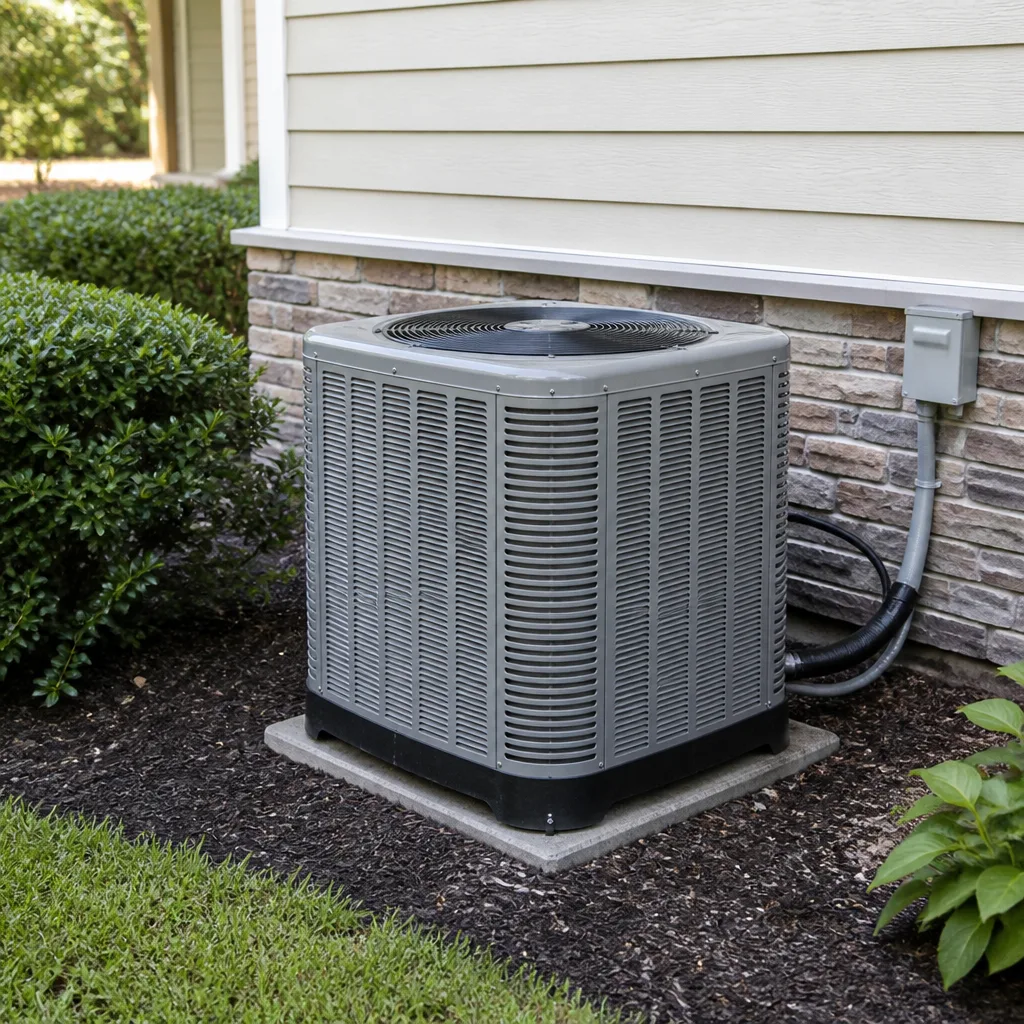 AC repair
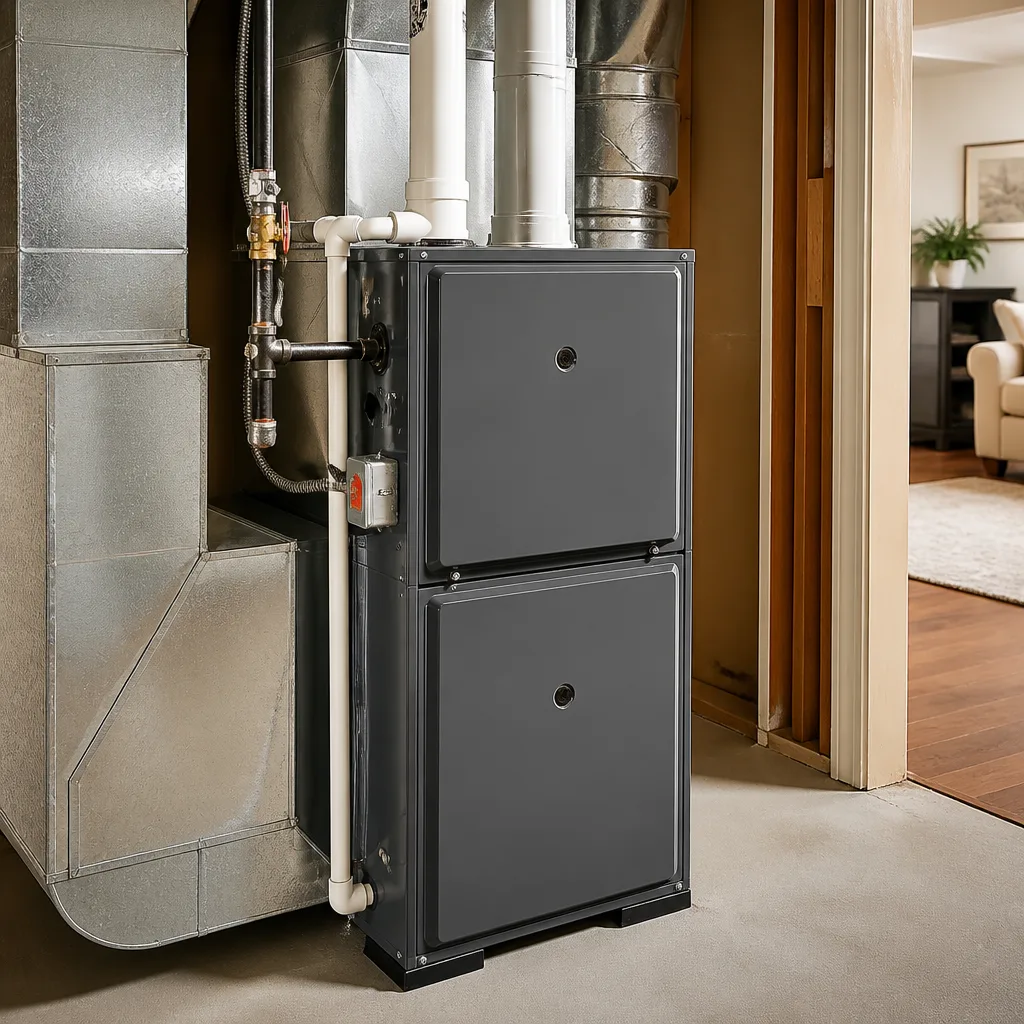 Furnace & heating
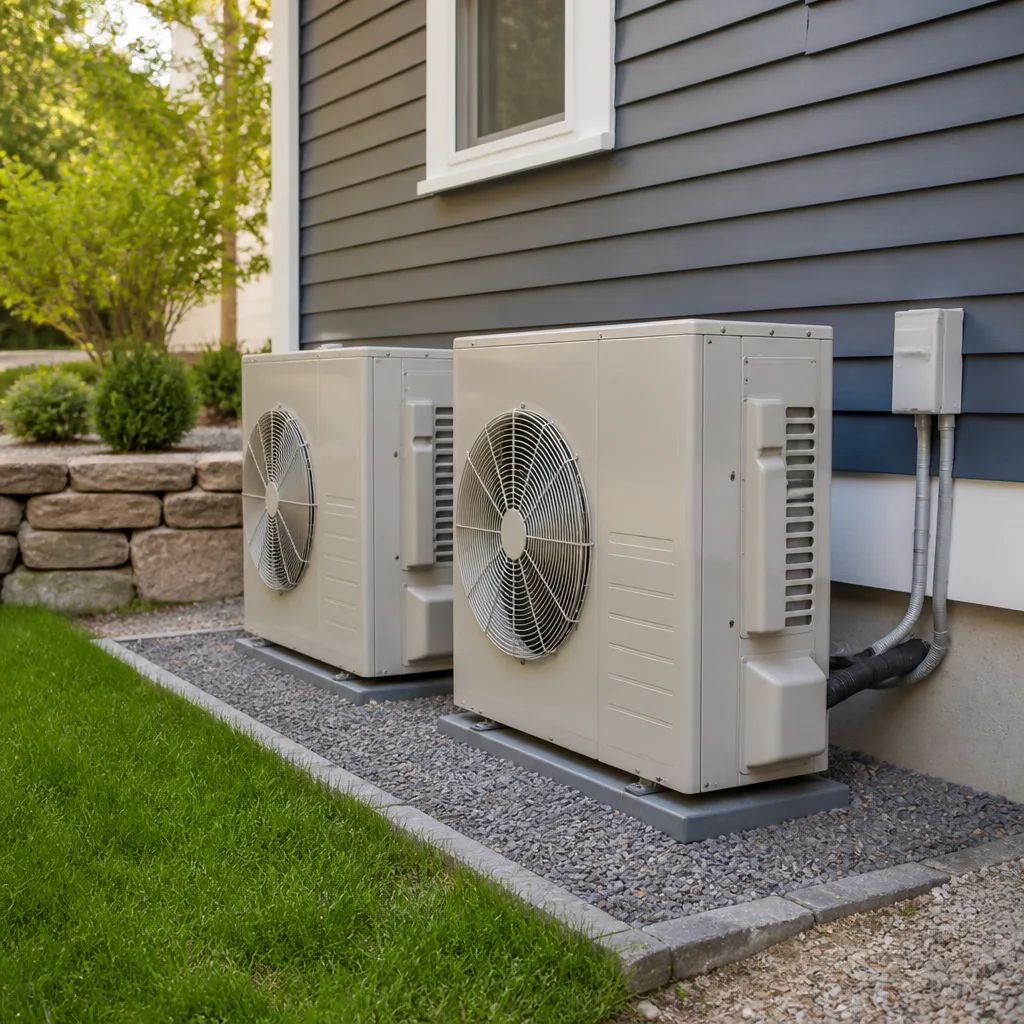 Heat pumps
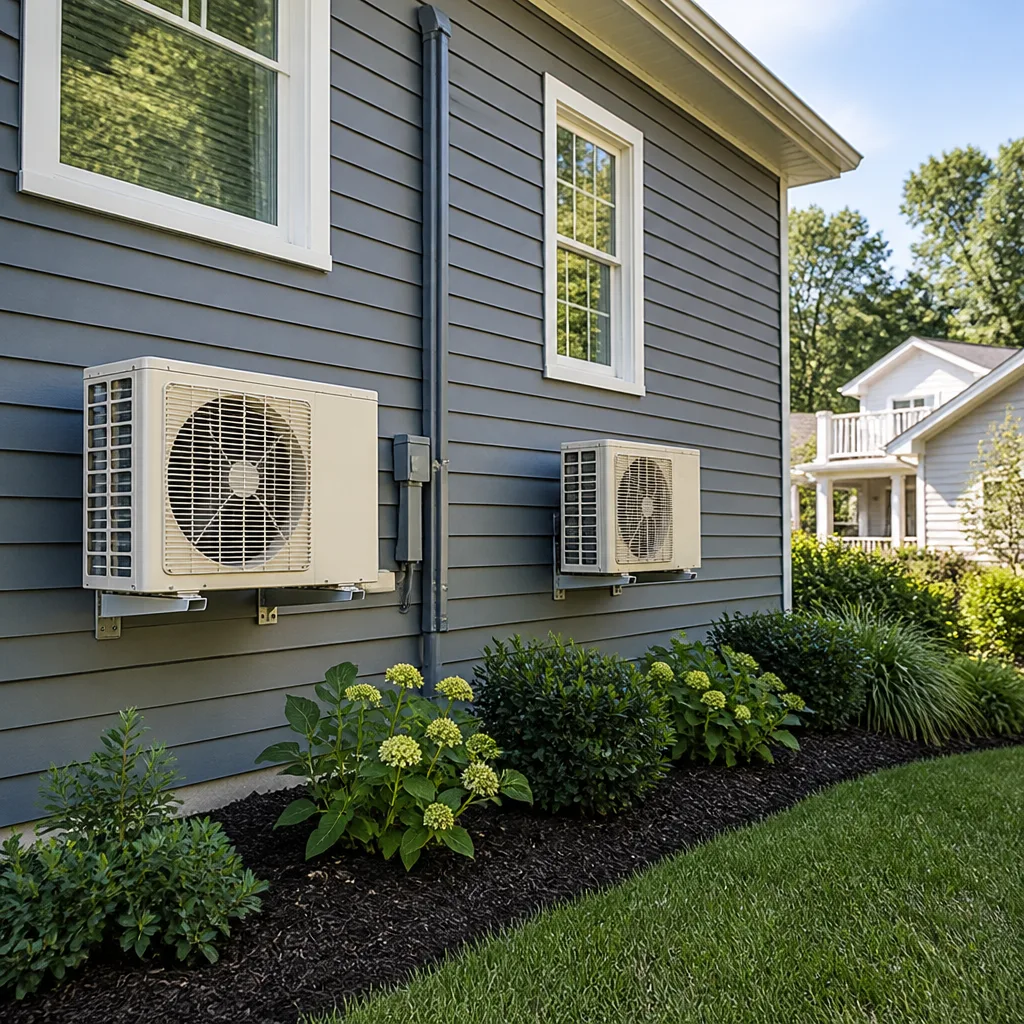 Ductless mini splits
 Carrier
 Trane
Trane Goodman
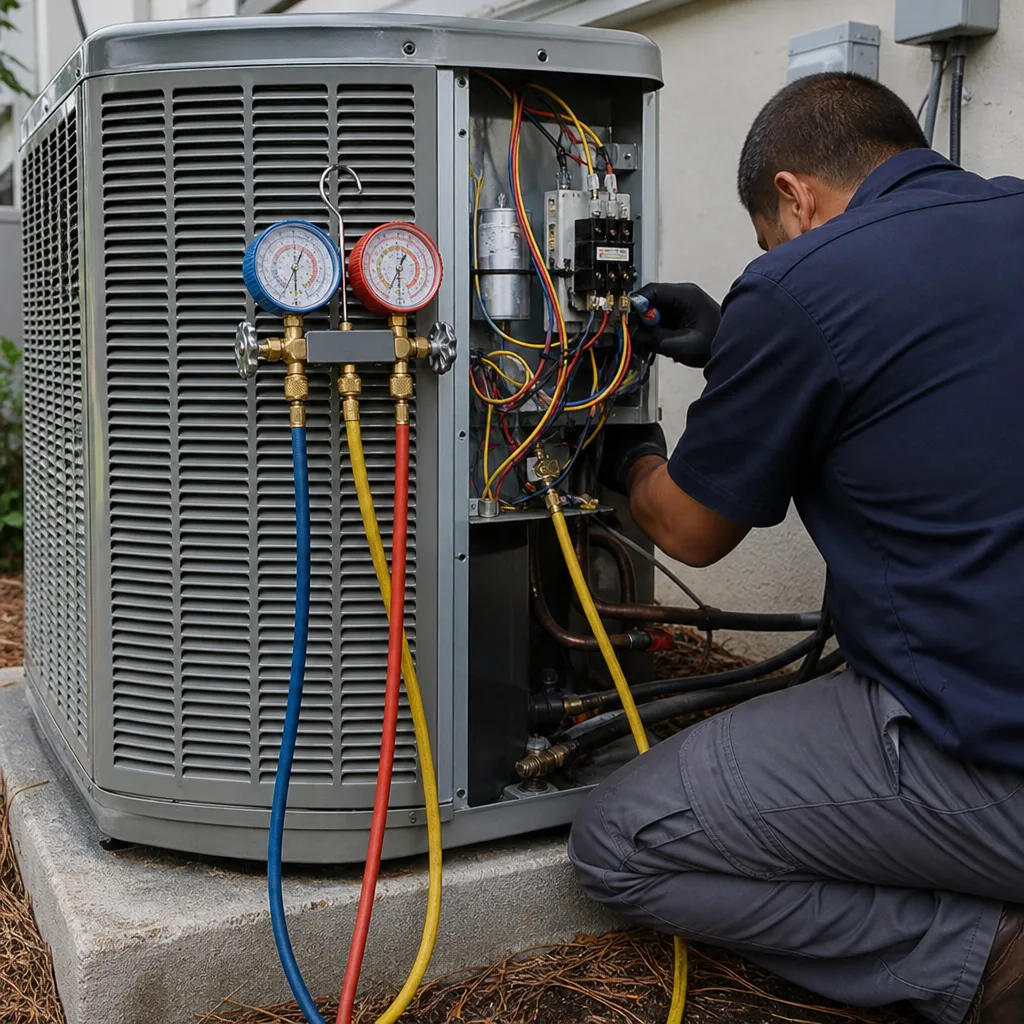
Seasonal tune-up and full diagnostic on your Carrier, Trane, or Goodman system - readings shown to you before any repair is proposed
Diagnosis first, numbers second - you approve the repair price before a single part goes in.
Get your free estimateHVAC Warning Signs: A Jacksonville Homeowner’s Reference Guide
The math on a Jacksonville air conditioner is unforgiving. By the time most homeowners call for AC repair in Jacksonville, the failure has been building for months. Not dramatically. Quietly. A slightly longer run time here, a faint mustiness there. The compressor doesn’t announce its retirement. It sends signals, and most people in Jacksonville read those signals as normal Florida weather. This guide teaches you to read the early language. You’ll learn which smells mean pull the plug tonight, which FPL bill patterns predict a $6,000 replacement six months out, and which sounds are genuinely fine in a city where the AC runs eleven months a year.
Styles & brands we work with
Quick Answer
The earliest reliable HVAC warning signs in a Jacksonville home are a rising energy bill without a matching change in weather, rooms that drift more than two degrees apart, run times that stretch past 45 minutes to drop two degrees, and a house that feels sticky even at a 72-degree thermostat setting. Any one of these deserves a professional look. Combining two or more usually means the system is working itself toward a failure you’ll notice at the exact worst moment, which in Florida is a summer afternoon.
Table of Contents
- The 45-Minute Test: How Long Should Cooling Actually Take in Jacksonville
- The $15 Humidity Test Your AC Repair Tech Hopes You Never Learn
- Reading Your FPL Bill Like a Diagnostic Report
- What Short Cycling Actually Sounds and Feels Like in a Florida House
- The Smell Classification Guide: Musty, Burning, or Sweet
- Uneven Room Temperatures: A Duct Problem, Not a Thermostat Problem
- Repair or Replace: The Point Where Jacksonville Homeowners Should Run the Numbers
- Common Mistakes to Avoid
- When to Call a Professional
- Frequently Asked Questions
- The Bottom Line
The 45-Minute Test: How Long Should Cooling Actually Take in Jacksonville
A properly sized, healthy AC in a Jacksonville home with decent insulation should drop the indoor temperature about two degrees in 45 minutes during a typical summer afternoon. That’s the baseline. Not a hard rule, but close enough to flag problems. If your system runs nonstop from 1 PM to 6 PM and only pulls the house from 80 to 76, something is wrong: low refrigerant, a dirty evaporator coil, a failing capacitor, or duct leaks in an attic that’s been baking at 130 degrees since noon.
Run this test on a day in the low 90s. Set the thermostat two degrees below the current room temperature. Note the time. Check again in 45 minutes. If the system hit the target, it’s probably moving heat at a reasonable rate. If it didn’t, and your outdoor unit is running the whole time, you have a system telling you it’s losing capacity. In our experience across Jacksonville, homeowners who call us within a week of failing this test-and follow our AC Repair Maintenance Checklist for Jacksonville Homeowners-almost always resolve the issue for under $400. Homeowners who wait until August usually face a compressor replacement or a full system swap.
One more note: if your system does pass the 45-minute test but runs again 20 minutes after shutting off, that’s a different signal. That’s short cycling, and we cover it below. Both patterns matter. Neither is a quirk of living in a hot city.
The $15 Humidity Test Your AC Repair Tech Hopes You Never Learn
Your air conditioner does two jobs. It lowers temperature and it removes moisture. In Jacksonville, that second job is arguably more important. You can feel comfortable at 76 degrees with 45 percent relative humidity. At 60 percent humidity, that same 76 degrees feels swampy. Here’s the key: an AC that’s losing refrigerant pressure or has a dirty evaporator coil loses dehumidification capacity before it loses cooling capacity. The temperature reading on your thermostat can stay dead stable while your house quietly turns into a mold incubator.
Buy a $15 digital hygrometer from any hardware store. Place it in your main living area, away from the kitchen and bathrooms. On a normal summer afternoon with the AC running, you want a reading between 45 and 55 percent. If you consistently see 60 percent or higher while the thermostat reads 74 or below, your system is failing at half its job. You can’t feel that failure yet, but your drywall and furniture can.
Here’s the numbered version of what to check:
- Place the hygrometer in a central room, at least three feet from any supply vent.
- Record the reading at the same time of day for three days, when the AC has been running at least two hours.
- Average the three readings. If the average is above 58 percent, flag it.
- Check your thermostat. If it reads 74 or below and the humidity stays high, call a professional.
- Note whether the humidity drops at all during a long cooling cycle. A healthy system pulls several percentage points out of the air. A sick one barely moves it.
This test catches problems six to twelve months before the compressor gives out. A refrigerant leak at 5 percent loss per year takes a long time to show up as warm air. It shows up as stickiness first. We’d rather find it at the sticky stage, and so would your wallet.
Reading Your FPL Bill Like a Diagnostic Report
Your FPL bill is a diagnostic tool you already pay for. The trick is comparing your usage against the same month last year, not against last month. Jacksonville’s weather swings too much month to month for a straight comparison to be useful. June versus May tells you the weather got hot. June versus last June tells you whether your system is working harder than it did a year ago.
Here are the patterns we look for when a Jacksonville homeowner shows us their usage history, and what they typically indicate:
- A 10 to 15 percent increase year over year with no major lifestyle change usually points to a dirty evaporator coil or a clogged condenser coil. The system still cools, but it runs longer to do it. Cleaning both coils often costs $150 to $300 and drops the bill right back down.
- A 20 to 30 percent increase often correlates with a refrigerant leak. The system runs nearly continuously because it’s lost 20 to 30 percent of its heat-moving capacity. Adding refrigerant and sealing the leak can run $300 to $800 depending on location and severity.
- A 40 percent or higher increase typically means a failing compressor or a severe duct breach. At this stage, the conversation shifts to repair versus replacement, and a full system quote is the honest place to start.
Pull up your FPL account, download twelve months of history, and compare each month to the same month the year before. If you see a steady climb that outpaces the weather, that’s a warning sign that appears on your bill three months before you feel it in your living room.
One caveat: a new pool pump, an electric vehicle, or a relative who moved in with a window unit will change these numbers too. Rule out the obvious before you blame the HVAC. But if the only change is time, the bill is telling you something.
What Short Cycling Actually Sounds and Feels Like in a Florida House
Short cycling is not a noise. Not exactly. It’s a rhythm. A healthy AC on a Jacksonville summer afternoon should run in long, steady blocks: fifteen to thirty minutes on, fifteen to twenty minutes off. A short cycling system clicks on for five minutes, shuts off for five, clicks on for six, shuts off for four. You may not notice it consciously, but there’s a restless quality to it, like a kitchen faucet that keeps resuming its drip after you thought you’d fixed it.
Why does it happen? Three main causes:
- Low refrigerant: low charge causes the evaporator coil to ice up. The system shuts down to defrost, then restarts, then ices again. This is the most common cause we find in Jacksonville during summer, when coils are under the heaviest load.
- Oversized equipment: a too-big system cools the house so fast it never runs long enough to dehumidify. This is a design problem from day one, and it’s extremely common in Jacksonville homes where a previous owner or flipper installed the largest unit that would fit without a load calculation.
- Airflow restriction: a clogged filter, closed vents, or a failing blower motor starves the coil of air. In our experience, a clogged 1-inch filter is the single most common cause of short cycling in Jacksonville rentals and homes with pets. The fix costs $15 and takes ninety seconds. We tell homeowners to check it before they spend money on a service call.
Short cycling does two expensive things. It doubles the number of start cycles, and every start is a mechanical shock to the compressor. It also never lets the coil get cold enough to pull moisture, so even a house that reads 72 degrees can feel clammy. If the rhythm of your unit feels wrong, it probably is. At a minimum, scheduled AC maintenance in Jacksonville will catch the cause before it becomes a replacement invoice.
The Smell Classification Guide: Musty, Burning, or Sweet
Your nose is a legitimate diagnostic instrument. Here’s the classification system we use when a Jacksonville homeowner calls and says “something smells weird.”
Musty or damp: this is the smell of microbial growth on a wet evaporator coil or in a drain pan that hasn’t drained properly. In Jacksonville’s humidity, that’s a common problem. The fix is usually a coil cleaning and a condensate drain flush, running $150 to $350. Catch it early and it’s a maintenance item. Ignore it and you’re breathing spores, and eventually the growth becomes a coil replacement.
Burning or dusty: if it’s the first heat cycle of the season, a burning smell for fifteen to thirty minutes is usually accumulated dust on the heat exchanger or heat strips. It’s not dangerous in most cases, but watch it. If it persists beyond the first day, or if it smells like plastic or wire insulation, that’s electrical. Turn the system off at the thermostat. Do not run it again until a technician has inspected it. Electrical smells in an HVAC system are the smell of a component melting itself, and melting components cause fires.
Sweet or chemical: this is refrigerant. Some refrigerants have a faintly sweet or ether-like odor. More importantly, a chemical smell near an indoor unit can also indicate a cracked heat exchanger, which is a carbon monoxide concern on gas furnaces. This is the one smell that should trigger an immediate shutoff. Turn the system off. Open a window if possible. Furnace repair in Jacksonville techs check for exactly this during the winter. In summer, a sweet smell near the outdoor unit means a refrigerant leak. Call before you run it again.
The rule: musty means schedule it this week. Burning that doesn’t stop means shut it down tonight. Sweet or chemical means shut it down now and call.
Uneven Room Temperatures: A Duct Problem, Not a Thermostat Problem
Here’s a scene that plays out in Jacksonville houses every summer: the thermostat in the hallway reads 74. The living room feels fine. The back bedroom feels like 82. The homeowner calls us and asks about a thermostat problem or a zoning system. Almost always, it’s neither.
The thermostat measures the temperature at one point in the house. It has no idea what’s happening in the back bedrooms. If those rooms are consistently warmer, the problem is almost always in the ductwork. Specifically, it’s one of these:
- Disconnected ducts: a flex duct in the attic has separated from its collar. This is alarmingly common in Jacksonville, where attic heat degrades the duct tape and zip ties used by sloppy installers over the course of five to ten years. Conditioned air is pouring into an attic that’s 130 degrees, doing no one any good.
- Crushed or kinked flex duct: someone stored boxes on the duct run, or a critter has nested in the attic. The duct is pinched and the airflow to that room is throttled.
- Poorly designed or poorly balanced duct systems: the duct runs to the far rooms are too long, too narrow, or too leaky. This is common in older Jacksonville homes that have been added onto over the decades.
Here’s a confirmation test using a $10 indoor thermometer:
- Place one thermometer in the room you think is fine and one in the problem room.
- Close both doors for an hour with the AC running normally.
- Record both temperatures.
- If the gap is more than two degrees, it’s not the thermostat asking for a different setting. It’s the delivery system.
- Check the vent in the problem room. Hold a tissue near it while the system runs. Strong flutter equals decent airflow. Limp droop equals a duct problem.
The repair can be simple: reconnecting a fallen duct takes thirty minutes and under $200. Or it can be more involved: a full duct replacement in a Jacksonville attic runs $3,000 to $8,000 depending on house size. Either way, you want to know, because spending the summer with one bedroom out of commission is a terrible way to live, and running the AC extra hours to try to compensate is spending money on air you’re never actually receiving.
Repair or Replace: The Point Where Jacksonville Homeowners Should Run the Numbers
There’s a math threshold every Jacksonville homeowner should know, because it’s how we’d run it for our own family. Take the age of your system. Multiply it by the cost of the repair. If the system is twelve years old and the compressor is dead, that’s a $2,500 to $3,500 repair on a machine with a remaining life expectancy measured in single-digit years. It makes no sense to put that much money into a compressor when a new unit comes with a fresh warranty and uses 20 to 30 percent less power.
Here’s the practical table:
- Under 8 years old, repair under $800: fix it. Nearly always the right call. You should get several more good years out of the system.
- 8 to 12 years old, repair $800 to $1,500: judgment call. Consider your plans for the house and whether the repair addresses the root cause or just the symptom.
- Over 12 years old, any major component failure: replace. A heat pump or AC unit in Jacksonville runs so many hours per year that twelve years here is like twenty years in a mild climate. It’s done the work. Give it a respectful retirement.
Brands like Goodman, Rheem, and York all make solid equipment, but no brand survives Jacksonville’s run-hour load forever. On the service side, we work on everything, including Daikin and the rest of the major residential lines. The brand matters less than the quality of the install and the honesty of the diagnostic. A $200 repair on a young system is a gift. A $3,000 repair on an old one is a costly delay of the inevitable.
Common Mistakes to Avoid
- Closing vents in unused rooms to save money: this seems logical but it actually increases static pressure in the ductwork, which wears out the blower motor faster and can cause the evaporator coil to ice over. The system was designed to push air across a certain number of open vents, not half of them.
- Cranking the thermostat down to 68 on a 98-degree day to cool faster: your AC doesn’t cool faster when you set it lower. It cools at one speed, then shuts off when it reaches the target. Setting it to 68 just means it runs longer, sometimes straight through the hottest part of the day, and your bill reflects every one of those minutes.
- Replacing the filter with the cheapest option and forgetting about it: a $3 fiberglass filter catches almost nothing and can actually allow enough debris through to coat the evaporator coil. In Jacksonville homes with pets, a pleated filter changed every 60 to 90 days is the difference between clean airflow and an AC that slowly strangles itself.
- Assuming the system is fine because the air coming out of the vents is cold: cold air is only half the job. Dehumidification matters enormously in Florida, and a system with low refrigerant can still pull the air temperature down while failing to remove moisture. Cold and clammy is still a failing system.
- Ignoring a small water stain on the ceiling below the air handler: that stain means the condensate drain or pan has been overflowing, probably for weeks. In a Jacksonville attic that’s hot and humid already, water plus darkness plus time equals a repair bill that escalates from a $150 drain flush to a $1,500 drywall and insulation remediation.
- Relying on seasonal “tune-ups” from a company that spends fifteen minutes at the house: a real maintenance visit includes coil inspection, refrigerant pressure check, drain line clearing, capacitor testing, and airflow measurement. If someone is done in fifteen minutes, they didn’t do maintenance. They did a drive-by.
When to Call a Professional
Call when the warning signs repeat. Not when the system is already down, though of course call then too. But the smart call is the one made at the sticky stage, the climbing-bill stage, the short-cycle stage, the family-room-fine-back-bedroom-hot stage. If you’ve run the 45-minute test and failed it twice, call. If your hygrometer reads 60 percent at 74 degrees for three days running, call. If your FPL comparison shows a 20 percent climb with no other explanation, call. These are all fixable at the repair stage, and the repair almost always costs a fraction of the replacement.
Every technician we send meets the Threshold Verified standard: background-checked, identity-verified, and introduced to you by name and photo before the visit, with a photo ID badge shown at the door. That standard matters in Jacksonville, where opening the door to a stranger should never be a guess. Brandt HVAC Co Jacksonville offers free estimates to Jacksonville homeowners. Call (904) 456-0205 and a live person answers. We’ll give you a written price before any work starts.
Frequently Asked Questions
A system that runs continuously without hitting the set temperature is telling you it’s lost capacity. The most common causes in Jacksonville are a refrigerant leak, a badly soiled evaporator coil, or duct leaks in the attic. A healthy system should hold 75 or below on a normal summer day without running from noon to midnight. Call (904) 456-0205 for a diagnostic visit with a written price before any work.
A hissing sound from the indoor unit during operation often means refrigerant is escaping from the coil. A brief hiss right when the system shuts off can be normal pressure equalization, but a continuous hiss during operation is a leak. Refrigerant leaks don’t fix themselves and they allow the system to lose cooling capacity over weeks. Get it checked before the compressor becomes collateral damage.
Every 60 to 90 days for a standard 1-inch pleated filter in a home with pets or a lot of dust. Homes with severe allergies or multiple shedding pets may need 30 to 45 days. If you can’t see light through the filter when you hold it up, it’s past due no matter what the calendar says. A clogged filter is the cheapest problem to prevent and one of the most expensive to ignore.
Because that’s the month your AC works hardest. The hotter the outdoor air, the less efficiently any condenser can reject heat. August in Jacksonville is also when struggling systems finally show their weakness. If your bill climbs more than 20 percent over the same month last year with no change in your habits, that’s not the weather. That’s a decline in system efficiency that a technician can usually diagnose in one visit.
Yes, and specifically before summer. A maintenance visit should include checking refrigerant pressure, cleaning or inspecting the condenser coil, testing the capacitor, flushing the condensate drain, measuring temperature drop across the coil, and checking airflow. We quote a flat price before the visit so there’s no surprise. The visit often finds a small issue in April that would have become an emergency in July.
Ten to fifteen years is a realistic range for most residential systems in a Florida climate. Jacksonville’s heat and humidity put more run-hours on a system than almost anywhere else in the country. At twelve years old, expect repairs to become more frequent and more expensive. Our repair-or-replace guidance: if the repair cost multiplied by the system’s age exceeds around $3,000, it’s worth having a conversation about replacement. Call (904) 456-0205 for an honest assessment and a written quote either way.
The Bottom Line
Most Jacksonville AC failures announce themselves months before they happen. They show up as a house that’s stickier than it used to be, an FPL bill that’s climbing against the weather trend, a system that clicks on and off in nervous little spurts, a room that never quite reaches the temperature of the rest of the house. Learn to read those signals and you’ll spend your money on repairs that cost hundreds, not replacements that cost thousands. You’ll also know exactly who’s at your door, because we tell you before we arrive. This is why we built the Brandt standard, from the 365-Day Done Right Promise to the written price before every job. We want you to feel as certain about your HVAC as we are about the people we send to your home. And when the signs show up, call (904) 456-0205. A live person answers, and it’s a free estimate with no obligation.
Written by Devin Marlowe, Owner at Brandt HVAC Co Jacksonville, serving Jacksonville since 2003.
See the difference
 Before
 After
After Before
 After
After Before
 After
After